Which Records Could Help a Chicago Delivery Crash Attorney?
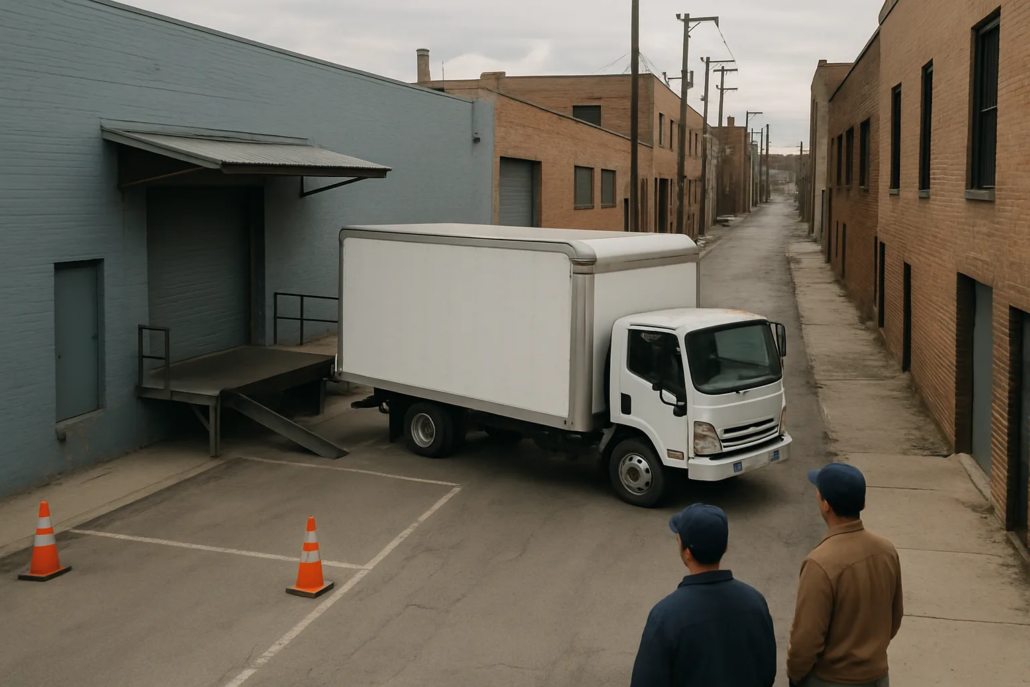
A delivery truck is backing toward a warehouse dock while a worker, pedestrian, or another vehicle approaches through an alley. Cones may be missing, a spotter may be standing out of view, and the driver may be following instructions from a business employee. After contact occurs, each person may describe the scene differently. If you are searching for a Chicago delivery truck loading dock accident lawyer, the central question is often not simply who was present, but how the truck, people, property, and delivery process interacted.
In Chicago, Illinois, these incidents can occur in narrow alleys, curbside loading areas, warehouse entrances, and private docks. Liability disputes may involve the truck driver, motor carrier, delivery company, property owner, tenant, site manager, contractor, or another person responsible for directing traffic. Dinizulu Law Group helps injured people understand the factual issues that may matter without assuming the outcome of a claim. This article explains what to document, which records may be important, and why the layout and delivery instructions can change the analysis.
Why Chicago Delivery Truck Loading Dock Accidents Create Competing Fault Stories
A loading-area collision rarely happens on an ordinary roadway with clearly marked lanes. A truck may partially block an alley, extend into a sidewalk or bike path, or cross a pedestrian route while turning or reversing. The property may have blind corners, uneven pavement, limited lighting, gates, ramps, or dock equipment that affects visibility and movement.
Illinois liability analysis generally depends on the facts and applicable law. A driver’s actions may be examined alongside the conduct of a carrier, the condition or design of the property, and the instructions given by a business. Depending on the circumstances, more than one party may share responsibility, while an injured person’s own conduct may also be considered under Illinois law.
Truck position and movement matter
Evidence may show whether the vehicle was:
- Reversing, turning, parked, or waiting for access;
- Blocking an alley, curb, sidewalk, driveway, or marked loading area;
- Using hazard lights, warning devices, or a backup alarm;
- Positioned at an angle that limited mirror or camera visibility; or
- Directed into the area by a dock employee, property manager, or spotter.
A small difference in position can affect whether a person was visible, whether a path remained open, and whether the truck had room to maneuver. Photographs from several angles can be more useful than a single close-up image.
What Evidence Can Clarify a Chicago Alley or Loading-Dock Crash?
The physical scene can change quickly. Trucks move, cones are collected, pallets are relocated, gates are opened, and surveillance footage may be overwritten. A person pursuing a loading dock truck injury claim in Illinois may therefore need to identify evidence before the original conditions disappear. An attorney may evaluate how to request or preserve relevant material based on the circumstances.
Important evidence can include:
- Photos and video of the truck’s final position, damage, tire marks, dock edge, alley width, lighting, and pedestrian access;
- Surveillance from the loading dock, warehouse, neighboring businesses, parking areas, or nearby residences;
- Dash-camera, telematics, onboard camera, or backup-camera information maintained by the carrier;
- Delivery tickets, bills of lading, route records, time stamps, dock appointments, and written delivery instructions;
- Driver, spotter, dockworker, security, and eyewitness statements; and
- Inspection, maintenance, training, and incident records that may bear on the vehicle or delivery process.
Why business records may be especially important
A company’s records can help establish who controlled the delivery area and what the driver was expected to do. For example, an instruction to approach from a particular direction may matter if the route created a blind corner. A sign-in record or delivery appointment may help identify employees and witnesses. Records may also show whether a business routinely used a spotter or had a designated pedestrian route.
The Chicago Police Department may create an incident report in some crashes, but that report is not necessarily a complete reconstruction of liability. Other records may be held by private businesses, trucking companies, property managers, or insurers. Because laws and procedures vary by location and may change, a licensed Illinois attorney can explain what evidence-gathering options may apply to a particular situation.
How Liability Is Evaluated After a Commercial Truck Loading-Zone Crash
A commercial truck loading zone crash can raise several separate questions rather than one automatic answer. The driver’s observation, speed, backing technique, and compliance with directions may be reviewed. The carrier’s policies, supervision, and relationship with the driver may also matter. Separately, a property owner or tenant may face questions about the design, maintenance, warnings, access controls, or traffic pattern of the site.
Common points of dispute
Parties may disagree about:
- Whether the truck was moving or stationary when contact occurred.
- Whether a pedestrian or another vehicle entered a restricted or expected truck path.
- Whether cones, barriers, warning devices, or a spotter were required or actually present.
- Whether the dock layout forced the driver into a dangerous maneuver.
- Whether delivery instructions came from the carrier, customer, tenant, or property manager.
- Whether poor lighting, a blocked view, pavement defects, or an obstructed sidewalk contributed.
A careful review may compare photographs, vehicle damage, video, measurements, witness accounts, and business records. Statements made immediately after an incident can differ from later recollections, so preserving the original evidence may help reduce uncertainty.
Mistakes that can make the facts harder to establish
People often focus on medical treatment or insurance communications and overlook the scene itself. Depending on their condition, they may not photograph the alley entrance, dock ramp, cones, or sightlines. They may also assume a business will preserve video automatically. In many cases, an attorney may help identify the entities that possess relevant records and assess communications with insurers without promising a particular result.
Frequently Asked Questions
Can a truck driver be responsible for a crash while backing into a Chicago dock?
Potentially, but responsibility depends on the facts. Investigators may examine the driver’s visibility, speed, warnings, use of mirrors or cameras, communication with a spotter, and compliance with site instructions. The conduct of a property owner, tenant, carrier, or pedestrian may also be relevant. Illinois law can allocate responsibility among parties based on the circumstances, so a consultation may be useful for evaluating the available evidence.
Does a property owner face liability for a delivery truck injury in Illinois?
A property owner is not automatically responsible merely because a collision occurred on the premises. Questions may include who controlled the loading area, whether a dangerous condition or inadequate warning contributed, and whether the owner knew or should have known about the risk. A tenant, warehouse operator, contractor, or carrier may also have responsibilities. The answer depends on the site facts and applicable Illinois law.
What if the loading dock surveillance video is deleted?
Deleted or unavailable footage does not automatically determine a claim. Other evidence may include photographs, witness accounts, delivery logs, vehicle data, damage patterns, incident reports, and records showing how the area was configured. A lawyer may evaluate whether preservation communications or other lawful evidence requests are appropriate. The significance of missing footage depends on what it might have shown and why it is unavailable.
Can an injured worker bring a claim after a delivery-area truck crash?
Possibly, but the available legal path may depend on the worker’s employer, the employment relationship, workers’ compensation coverage, and the involvement of outside parties. A worker may have different considerations from a visitor, pedestrian, or employee of the delivery company. Because Illinois workplace and personal injury rules can interact, a licensed attorney can review the circumstances and explain potential options without assuming that a particular claim will succeed.
How Dinizulu Law Group Can Help
Dinizulu Law Group is dedicated to helping injured people examine the practical facts behind truck collisions in Chicago, Illinois. The firm can evaluate questions involving the truck’s position, alley or dock design, traffic-control measures, delivery paperwork, surveillance, witnesses, and the roles of businesses or carriers. The team is committed to fighting for clients’ rights while recognizing that each matter depends on its evidence and applicable law.
If you or a family member was injured near a loading dock, warehouse entrance, curbside loading area, or Chicago alley, contact Dinizulu Law Group for a free consultation or case evaluation.
The information in this article is for educational purposes only and does not constitute legal advice. Contact a qualified attorney licensed in Chicago, Illinois for advice specific to your situation.


Leave a Reply
Want to join the discussion?Feel free to contribute!