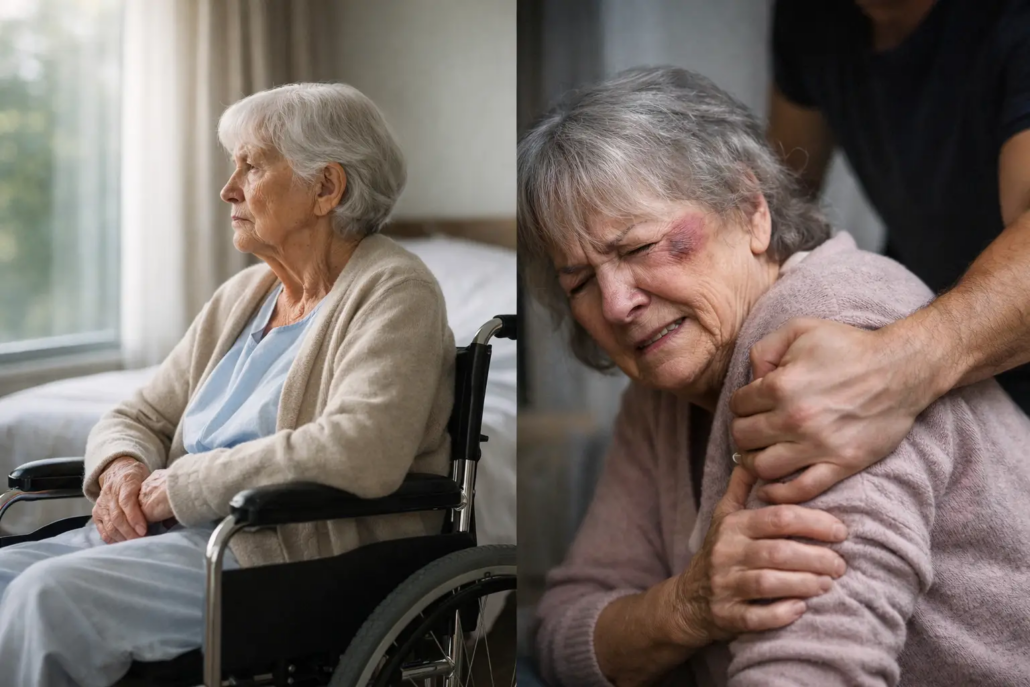
Nursing Home Neglect Versus Abuse Explained
A resident who suddenly loses weight, develops unexplained bruises, or seems afraid to speak when staff are nearby may be sending a message without saying a word. Understanding nursing home neglect versus abuse can help families recognize danger, protect a loved one, and demand accountability before more harm occurs.
For many families, placing a parent, grandparent, or disabled relative in a nursing home is an act of trust. The facility accepts responsibility for meeting that resident’s daily needs, protecting their safety, and treating them with dignity. When that trust is broken, families deserve clear answers and meaningful action.
Nursing Home Neglect Versus Abuse: The Core Difference
Neglect and abuse can both cause serious physical and emotional harm, but they are not the same.
Nursing home neglect generally occurs when a facility or caregiver fails to provide the care a resident reasonably needs. It may result from understaffing, poor training, careless supervision, inadequate care plans, or a staff member simply failing to act. Neglect does not always require an intent to hurt someone. A resident can still be severely harmed when caregivers ignore call lights, fail to turn them in bed, miss medications, or leave them without needed food, water, hygiene, or medical attention.
Nursing home abuse involves intentional or reckless conduct that harms, intimidates, exploits, or violates a resident. It can be physical, emotional, sexual, or financial. A caregiver who hits, threatens, humiliates, restrains without justification, or takes a resident’s money may be committing abuse.
The distinction matters, but families should not wait to determine the legal label before seeking help. Both neglect and abuse can threaten a resident’s health, independence, and life. Both may expose individual caregivers, nursing homes, management companies, and other responsible parties to liability.
What Nursing Home Neglect Can Look Like
Neglect is often hidden behind explanations such as “we were short-staffed” or “your loved one is declining.” Some residents do have complex medical needs or progressive conditions. But a diagnosis or advanced age does not excuse preventable harm.
Common signs of neglect include bedsores, dehydration, malnutrition, repeated falls, poor hygiene, soiled clothing or bedding, untreated infections, medication errors, and unexplained changes in mobility. A resident may also appear withdrawn, confused, unusually sleepy, or desperate for water, food, or assistance.
Pressure injuries deserve particular attention. Residents who cannot reposition themselves need regular movement, skin checks, and appropriate medical care. A serious bedsore can progress quickly, leading to infection, hospitalization, permanent injury, or death. Not every pressure injury proves neglect, but a facility should be able to explain the resident’s risk assessment, care plan, monitoring, and treatment.
Neglect can also be emotional. Leaving a resident isolated, ignoring requests for help, failing to provide communication assistance, or repeatedly dismissing concerns can cause profound distress. Residents with dementia, speech limitations, or disabilities are especially vulnerable because they may be unable to describe what is happening.
What Nursing Home Abuse Can Look Like
Abuse may leave visible injuries, but it often appears through sudden fear or changes in behavior. A resident who becomes quiet around a particular worker, refuses bathing or care, flinches when touched, or says they are being punished should be taken seriously.
Physical abuse may include hitting, pushing, rough handling, unnecessary restraints, or force-feeding. Emotional abuse can include threats, insults, intimidation, humiliation, isolation, or yelling. Sexual abuse may involve any nonconsensual sexual contact, especially when a resident lacks the ability to consent. Financial abuse can involve stolen cash, unauthorized withdrawals, pressured gifts, altered financial documents, or misuse of a resident’s benefits.
A facility cannot dismiss these concerns because a resident has memory loss or confusion. Dementia can affect recall, but it does not make a person incapable of experiencing harm or telling the truth. Families and investigators should look at the full picture, including medical records, staff schedules, financial activity, witness accounts, surveillance where available, and patterns of prior complaints.
Why the Difference Is Not Always Clear
Real cases do not always fit neatly into one category. A caregiver who deliberately ignores a resident’s repeated requests for help may be engaging in conduct that looks like neglect and emotional abuse. A facility that knows it lacks enough trained staff to safely care for residents, yet continues operating that way, may create predictable conditions for serious neglect.
The law also looks beyond the immediate caregiver. Nursing homes have duties to hire qualified staff, train them, supervise care, maintain appropriate staffing, develop care plans, respond to changes in a resident’s condition, and investigate reports of harm. When corporate decisions prioritize profits over resident safety, the consequences can be devastating.
A legal claim depends on the facts. It may involve negligence, violations of residents’ rights, medical malpractice issues, wrongful death, or intentional misconduct. That is why preserving evidence early can make a meaningful difference.
What Families Should Do When Something Feels Wrong
Trust your observations. If your loved one seems unsafe, ask direct questions and request that concerns be documented. Speak privately with the resident when possible, away from staff or other residents who may influence their answers.
Take prompt steps to protect your loved one and preserve information:
- Seek immediate medical care if there is an urgent injury, illness, or safety concern.
- Photograph visible injuries, poor conditions, unsanitary surroundings, and damaged clothing or personal items. Include dates when possible.
- Keep a written timeline of what you observed, who you spoke with, and how the facility responded.
- Request copies of relevant records, including care plans, medication records, incident reports, and hospital discharge documents.
- Report suspected abuse or neglect to the appropriate Illinois authorities and, when criminal conduct may be involved, law enforcement.
Do not feel pressured to accept a vague explanation or sign documents you do not understand. Facilities may characterize an injury as unavoidable, a fall as inevitable, or a missing item as a misunderstanding. Sometimes those explanations are accurate. Other times, records reveal delayed care, inconsistent accounts, missing supervision, or a history of similar incidents.
When a Nursing Home May Be Held Accountable
A nursing home is not automatically responsible for every injury a resident suffers. Older adults can fall despite reasonable precautions, and some medical conditions can worsen even with proper care. Accountability depends on whether the facility and its staff met the applicable standard of care and honored the resident’s rights.
Questions that often matter include whether staff responded to known fall risks, whether a care plan was followed, whether changes in condition were reported to a doctor, whether medications were properly administered, and whether the facility had enough qualified personnel to provide needed care. In abuse cases, the facility’s hiring practices, supervision, reporting, and response to prior warning signs may be critical.
Compensation cannot erase what happened, but it may help cover medical treatment, relocation costs, pain and suffering, disability, and other losses. When neglect or abuse causes a resident’s death, surviving family members may also have legal rights. Just as importantly, pursuing a claim can expose dangerous practices and push institutions to change.
A Family’s Questions Deserve Real Answers
No family should have to fight for basic information while worrying whether a loved one is safe. Residents are not burdens. They are people with histories, relationships, needs, and rights that do not disappear when they enter a care facility.
If you suspect harm, act with urgency but do not carry the burden alone. Dinizulu Law Group stands with families seeking truth, accountability, and justice with dignity. A careful review of the facts can help identify what happened, who was responsible, and what steps may protect your loved one moving forward.
The next conversation you have with your loved one may reveal more than you expect. Listen closely, document what you see, and insist that their safety be treated as nonnegotiable.


Leave a Reply
Want to join the discussion?Feel free to contribute!