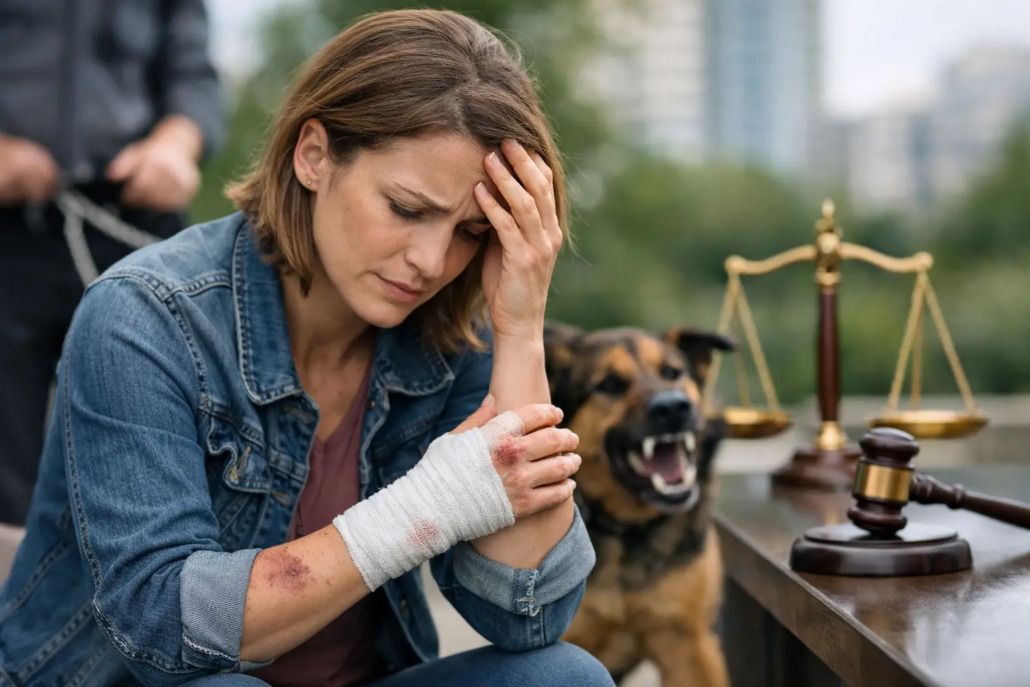
Can Dog Bite Victims Sue After an Illinois Attack?
A dog attack can turn an ordinary moment – walking through a neighborhood, visiting a friend, or delivering a package – into a painful and frightening emergency. Beyond the physical injury, victims often face medical bills, missed work, scarring, anxiety, and the worry that the dog may harm someone else. So, can dog bite victims sue? In many Illinois cases, yes. The dog’s owner or keeper may be legally responsible for the harm the animal caused.
Illinois law can be favorable to people injured by dogs, but a strong claim still depends on facts, evidence, and prompt action. Understanding the rules can help an injured person protect their rights without being pressured into an unfair insurance settlement.
Can Dog Bite Victims Sue Under Illinois Law?
Illinois generally uses a strict-liability rule for dog attacks. Under the Illinois Animal Control Act, an owner can be liable when a dog attacks, attempts to attack, or injures someone who was peaceably conducting themselves in a place where they had a legal right to be.
In plain terms, an injured person often does not have to prove that the dog had bitten someone before or that the owner knew the dog was dangerous. That is different from the old “one free bite” idea many people have heard. A first attack can still support a claim.
The law does have limits. The injured person generally must show they did not provoke the dog. Whether conduct qualifies as provocation can become a disputed issue, particularly where the victim and dog were interacting before the bite. Children may be judged differently than adults because their age and ability to understand a risk matter.
Strict liability also does not mean every case is automatic. Insurers may argue that the victim trespassed, startled the animal, ignored warnings, or otherwise caused the incident. Those arguments must be examined against the evidence, not simply accepted because an insurance adjuster raises them.
Who May Be Responsible for a Dog Bite?
The obvious defendant is the dog’s legal owner. But Illinois law may also recognize responsibility for a person who kept, harbored, or had the dog in their care at the time of the attack. This can matter when a dog belongs to one family member but lives with another, or when someone else was handling the animal.
Liability may also extend beyond the person holding the leash, depending on the setting. A business that allowed a dangerous situation on its property, a dog sitter who failed to control an animal in their care, or another responsible party may need to be evaluated. These cases are fact-specific.
Landlord claims require particular care. A landlord is not automatically liable just because a tenant owns a dog. However, a claim may be possible when a landlord had sufficient control over the property or knew of a dangerous condition and failed to act. The lease, prior complaints, location of the attack, and the landlord’s knowledge can all affect the analysis.
What Compensation Can a Dog Bite Claim Cover?
Dog bites can cause puncture wounds, infections, nerve damage, fractures, permanent scarring, and lasting emotional trauma. A serious attack can require emergency treatment, surgery, skin grafts, physical therapy, or counseling. Children often suffer particularly visible facial injuries, and the emotional effects may continue long after the wounds heal.
A lawsuit or insurance claim may seek compensation for medical expenses already incurred and future treatment that doctors reasonably expect will be necessary. It may also include lost income, reduced ability to work, pain and suffering, emotional distress, disfigurement, and loss of normal life.
The value of a case depends on the actual impact of the injury. A small scar on a covered area and a permanent facial scar do not carry the same consequences. Nor does a brief urgent-care visit compare to months of reconstructive treatment. Honest documentation gives a clearer picture of what the attack has taken from the victim and their family.
If a dog attack causes fatal injuries, surviving family members may have grounds to pursue a wrongful death claim. No legal action can repair that loss, but accountability can help families address medical costs, funeral expenses, lost support, and the profound human harm caused by a preventable event.
Evidence Matters From the First Day
The aftermath of an attack is often chaotic. Medical care comes first. Still, when possible, victims or family members should preserve information before details disappear or memories change.
Photographs can document wounds, torn clothing, the location, broken fencing, open gates, or lack of restraints. Medical records connect the injuries to the attack and show the treatment required. Names and contact information for witnesses can be especially valuable if the owner later disputes what occurred.
A report to local animal control or police may create an official record and help establish whether the dog had a history of aggression or was current on vaccinations. Victims should also keep copies of bills, receipts, work absence records, and communications from insurance companies.
Avoid posting detailed accounts or injury photos on social media while a claim is pending. Insurers may take isolated posts out of context to argue that an injury is less serious than reported. It is also wise not to give a recorded statement or sign a release before understanding the full extent of the injury. Once a settlement is accepted, obtaining additional compensation is usually difficult, even if complications develop later.
How Long Do Victims Have to File a Lawsuit?
Deadlines matter. In Illinois, many personal injury lawsuits must be filed within two years of the injury, though exceptions can apply. Claims involving a child, a government entity, or unusual circumstances may follow different rules.
Waiting can weaken a claim even before the legal deadline arrives. Surveillance footage may be erased, witnesses may become difficult to locate, and the dog may be moved or its ownership disputed. Prompt legal guidance can help preserve evidence and identify all potentially responsible parties.
When the Owner Is a Friend, Neighbor, or Relative
People often hesitate to pursue a claim because they know the dog’s owner. That hesitation is understandable. A child bitten at a family gathering or a neighbor injured while visiting may not want to create conflict with someone they care about.
In many cases, however, compensation is sought through homeowners, renters, or other liability insurance rather than directly from the owner’s personal savings. Coverage varies, and some policies exclude certain dogs or dog-related injuries. Still, reporting a claim and learning the available coverage is not the same as making a personal attack on a friend or family member.
The central question is whether the injured person has the support needed to recover. Medical care, lost wages, and future treatment can create real financial strain. Seeking accountability can be a practical step toward stability after a painful event.
What a Dog Bite Attorney Can Do
A lawyer can investigate the attack, preserve evidence, review available insurance policies, calculate damages, and handle insurer communications. This allows injured people to focus on treatment rather than arguing with adjusters while they are still in pain.
An attorney can also assess defenses the owner or insurer may raise, including provocation or claims that the victim was not lawfully on the property. When an insurer refuses to offer fair compensation, a prepared legal team can take the case to court and present the evidence clearly.
Dinizulu Law Group approaches injury cases with the belief that clients deserve both strong advocacy and respectful treatment. A dog bite should not leave a person feeling dismissed, blamed, or reduced to a claim number.
If you or someone you love was bitten, get medical attention, document what you can, and seek legal advice before accepting an early settlement offer. The next step does not have to be overwhelming. It can simply be a conversation about what happened, what recovery may require, and how to protect your dignity and your rights.


