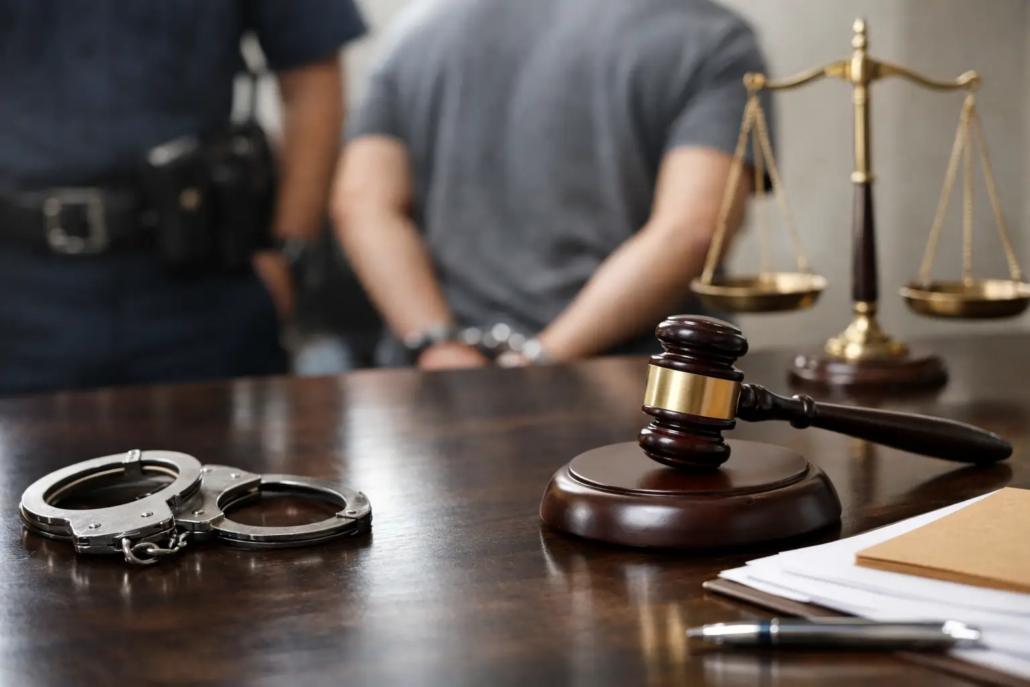
Police Brutality Lawsuit Examples and Lessons
A police encounter can leave more than visible injuries. It can change a person’s sense of safety, interrupt work and family life, and create lasting emotional harm. Reviewing police brutality lawsuit examples can help survivors and families understand that accountability may be possible, but also that these cases depend on facts, evidence, and careful legal action.
A civil lawsuit is not a quick answer to what happened. It is a formal process for seeking accountability and compensation when an officer or government agency violated someone’s constitutional rights or caused injury through unlawful conduct. For many people, the process also creates an opportunity to make the record clear when their experience has been dismissed, minimized, or misrepresented.
What Police Brutality Lawsuit Examples Can Teach
Police misconduct claims can arise from excessive force, unlawful arrest, false imprisonment, racial discrimination, wrongful death, sexual misconduct, failure to provide medical care, or a department’s failure to properly train or supervise officers. The legal theory matters, but the human consequences matter just as much.
Most federal civil rights claims against police officers are brought under Section 1983, a federal law that allows people to seek damages when a government official acting under color of law violates constitutional rights. A claim may be brought against an individual officer, and in some circumstances against a city or other governmental entity.
The examples below are not promises of a particular result. Every case turns on its own evidence, the severity of the harm, the conduct at issue, available insurance or public funds, and whether the law supports liability. They do, however, show why documentation, persistence, and experienced legal advocacy can be decisive.
The Laquan McDonald settlement in Chicago
In 2015, the City of Chicago approved a $5 million settlement with the family of Laquan McDonald, a 17-year-old who was shot and killed by a Chicago police officer in 2014. The settlement was reached before the public release of dash camera video of the shooting, which later intensified public scrutiny of the case and of police accountability in Chicago.
This example illustrates the grave stakes in fatal-force cases. A wrongful death claim may seek compensation for the loss suffered by surviving family members, including grief, loss of companionship, funeral expenses, and other legally recognized damages. It can also raise questions about the use of force, reporting, supervision, and whether the department’s policies and practices contributed to the death.
The Eric Garner settlement in New York
The family of Eric Garner received a $5.9 million settlement from New York City in 2014 after his death during an arrest the prior month. Video footage showed officers restraining Garner, whose repeated statement that he could not breathe became central to public understanding of the incident.
Video evidence can be powerful, but it is not the only evidence that matters. Medical records, autopsy findings, witness accounts, dispatch recordings, officer reports, body camera footage, and expert analysis may all be necessary to establish what happened and what caused the injury or death. A video may answer one question while raising several others, including what occurred immediately before recording began.
The Rodney King civil verdict
In 1994, Rodney King was awarded $3.8 million in a federal civil rights lawsuit after he was beaten by Los Angeles police officers following a high-speed pursuit. Footage of the beating became nationally known, but the civil case still required a legal assessment of the officers’ conduct and the harm King suffered.
The case remains a clear reminder that a criminal proceeding and a civil claim are different matters. Criminal cases focus on whether the government can prove charges beyond a reasonable doubt. A civil lawsuit seeks monetary damages and accountability under a different legal standard. A disappointing criminal outcome does not automatically prevent a civil case, though prior rulings and the facts can affect the available claims.
Chicago police torture litigation
For decades, survivors alleged that they were tortured or abused by Chicago police officers connected to former commander Jon Burge. Civil litigation, public advocacy, and investigations led to settlements and compensation for many survivors, as well as the City of Chicago’s 2015 reparations ordinance for living survivors of police torture.
These claims demonstrate why patterns matter. One officer’s conduct may be the immediate cause of harm, but a broader civil rights claim may examine whether supervisors ignored warning signs, whether similar complaints existed, or whether a municipality maintained practices that allowed misconduct to continue. Establishing institutional responsibility is often difficult. It requires more than proving an individual officer acted wrongly.
What Must Be Proven in a Police Misconduct Claim
There is no single checklist that guarantees a successful case. In excessive force claims, courts often examine whether the force was objectively reasonable under the circumstances. That analysis can include the seriousness of the alleged offense, whether the person posed an immediate threat, whether they were resisting or attempting to flee, and what officers knew at the time.
Those factors do not give police unlimited authority to use force. A person does not lose their constitutional rights because they are upset, frightened, verbally critical, or accused of an offense. At the same time, the legal analysis is fact-specific. The strongest cases are built on evidence rather than assumptions about what an officer or department will say happened.
For an unlawful arrest or false arrest claim, a central question is often whether officers had probable cause. In a wrongful death case, the evidence may focus on the force used, the person’s medical condition, whether officers sought timely medical aid, and whether the conduct caused or contributed to the death.
Claims against a city such as Chicago can involve another layer of proof. A municipality is not automatically liable simply because it employs an officer. The evidence may need to show that an official policy, widespread custom, failure to train, or deliberate failure to address known misconduct caused the constitutional violation.
Evidence Can Protect the Truth
After a traumatic encounter, people may be in pain, in shock, or afraid to report what happened. Those reactions are understandable. Still, early preservation of evidence can be critical because footage can be overwritten and witnesses can become harder to locate.
If it is safe to do so, seek medical care and explain all physical and emotional symptoms to the provider. Keep discharge papers, photographs of injuries, damaged clothing, and a personal account of what occurred while memories are fresh. Write down officer names, badge numbers, vehicle numbers, locations, times, and the names or contact information of witnesses when available.
Avoid altering videos, posting assumptions online as fact, or discussing case details with people who may use your words against you. A lawyer can take steps to request and preserve body camera footage, surveillance video, dispatch communications, police reports, personnel records where permitted, and other evidence before it disappears.
Why Timing and Legal Guidance Matter in Illinois
Civil rights cases can involve strict filing deadlines, notice requirements, and procedural rules. The deadline may vary depending on the claim, the defendants, the location, and whether the case is filed in state or federal court. Waiting can put valuable evidence and legal rights at risk.
A qualified attorney can evaluate whether the facts support a federal civil rights claim, a state-law injury claim, a wrongful death action, or multiple claims. They can also identify the correct defendants and respond when a city, police department, or insurer attempts to deny responsibility.
For survivors, this work should not require sacrificing dignity. You deserve clear answers, honest communication, and an advocate who understands that police misconduct can affect an entire family and community. Dinizulu Law Group approaches civil rights cases with compassion for the people harmed and determination toward those responsible.
If you or someone you love was injured during a police encounter, preserving your story and seeking legal advice promptly can be a meaningful first step toward accountability. Justice begins with being heard, and it is strengthened when the evidence is protected and your rights are taken seriously.


