How Are Chicago Motorcycle Prosthetic Costs Assessed?
A motorcycle amputation can bring a long period of adjustment after the initial emergency care and surgery. For a Chicago motorcycle accident amputation claim, evaluating future prosthetic costs means looking beyond the first device: fitting, repairs, replacements, rehabilitation, and changes in function may all matter. The Dinizulu Law Group helps people understand how injury claims can account for needs that continue after discharge. This guide explains how future costs may be assessed, which records can help document them, and how medical needs are considered separately from questions about who caused a crash. Each person’s needs and claim circumstances are different, so projected costs should be grounded in qualified professional recommendations rather than assumptions.
How a Chicago motorcycle accident amputation claim evaluates future needs
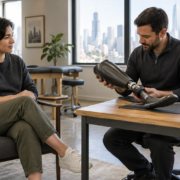
Future expenses are generally assessed by connecting a person’s expected needs to supporting evidence. Medical providers may describe the injury, treatment to date, anticipated care, and how the amputation affects daily function. A prosthetist may provide information about the device type, fitting process, adjustments, maintenance, and expected replacement needs. The appropriate evidence depends on the person and their medical circumstances; no single estimate applies to every rider.
A life care plan may organize these recommendations alongside expected equipment and care costs. It can help distinguish expenses already incurred from needs projected into the future. The plan should be based on individualized assessments and reliable cost information, not a blanket assumption about how often every device must be replaced. Read about a life care plan for projecting future injury-related needs to understand how this type of planning may bring related recommendations together.
In Chicago, Illinois, an evaluation might consider whether the rider will need further fittings or training as their function changes. Future needs can be revised when new medical information becomes available. A projection is an evidence-based estimate, not a guarantee that every listed service or device will be needed or paid for.
Which prosthetic and rehabilitation costs may need documentation?
An amputation claim may involve several distinct categories of expenses. Records can help show what has already been provided, what professionals recommend, and why a projected cost relates to the injury. Depending on individual recommendations, relevant categories may include:
- Initial prosthetic evaluation, casting or measurement, fitting, and adjustments.
- The device and components, including repairs or replacement parts when recommended.
- Routine maintenance and follow-up appointments with prosthetic professionals.
- Rehabilitation services and training related to using the device or adapting to daily activities.
- Related medical visits, transportation, or other care expenses when supported by the circumstances and applicable law.
Keep copies of bills, insurance explanations, prescriptions, fitting notes, repair receipts, and appointment records. A simple dated record of equipment problems, adjustments, or changes in use may also help explain why follow-up care occurred. Do not alter records or treat personal notes as a substitute for clinical documentation; providers’ records and recommendations remain important sources of evidence.
Past bills show expenses already incurred, while future projections rely on professional opinions and support for expected costs. In Illinois, a claim may involve more than immediate medical bills, but what losses may be considered depends on the facts and applicable law. A general overview of Illinois compensation rights for injured motor-vehicle passengers discusses broader compensation concepts; that page concerns passengers and does not determine a rider’s rights.
How records and crash responsibility fit into the claim
Proof of future prosthetic needs and proof of crash responsibility answer different questions. Records from the crash investigation and witness accounts may be relevant to how a collision happened. Medical records, prosthetic evaluations, and rehabilitation documentation address the injury and its effects. An amputation alone does not establish who was at fault, and a liability dispute does not make treatment records less important.
In Chicago, many state-court matters arising locally are handled in the Circuit Court of Cook County, but the proper venue and court depend on the circumstances. Some claims may resolve without a lawsuit. Illinois rules and procedures can change, so local legal questions should be reviewed with an attorney familiar with the applicable jurisdiction.
A few recordkeeping habits may reduce avoidable gaps:
- Save treatment summaries, equipment orders, fitting and adjustment notes, invoices, and repair documentation.
- Keep a timeline of appointments and equipment changes, including the reason given by a provider.
- Ask providers to explain recommendations in their records, including expected follow-up or replacement needs where they can do so professionally.
- Preserve crash-related materials separately from medical and equipment records.
Helmet use and crash responsibility are separate issues from documenting the rider’s amputation care. For a related discussion, see how helmet use may affect an Illinois motorcycle injury claim. The legal effect of any particular fact depends on the case, and an attorney can explain how the issues may interact under Illinois law.
Frequently Asked Questions
Does a prosthetic estimate need to include future replacements?
It may, when qualified professionals believe replacement or component changes are reasonably expected and can support that projection. The timing and cost can vary based on the individual’s device, use, condition, and recommendations. A useful estimate explains its basis instead of assuming every person will need the same device or replacement schedule. Keep updated provider recommendations and cost records as circumstances change.
Can rehabilitation expenses be part of a motorcycle amputation claim?
Rehabilitation costs may be considered when they are related to the injury and supported by appropriate records and recommendations. The type, duration, and cost of services depend on the person’s circumstances and professional assessment. Treatment records, invoices, and notes explaining the purpose of services can help document the care provided. Whether a particular expense is recoverable depends on the facts and applicable law.
What if my prosthetic needs change after the claim begins?
Needs can evolve as a person receives treatment, uses equipment, or gets updated professional assessments. New records may help explain a change in recommendations or projected expenses. In some cases, an attorney may discuss how to present updated information within the claim process. The options and timing depend on the status of the matter, so advice should be specific to the circumstances.
Do I need a life care plan to document future costs?
Not every claim uses a formal life care plan. Depending on the circumstances, medical and prosthetic provider opinions, invoices, and other records may help document anticipated needs. A life care plan can be one way to organize recommendations and projected costs, but its usefulness depends on the evidence and issues in the case. An attorney can discuss what documentation may be relevant to a particular claim.
How Dinizulu Law Group Can Help
Dinizulu Law Group is dedicated to helping injured riders understand the evidence that may be relevant to a claim involving an amputation. That can include reviewing how treatment records, prosthetic recommendations, rehabilitation needs, and crash-related evidence fit together. The firm is committed to fighting for clients’ rights while recognizing that future care projections must reflect individual circumstances and reliable support. If you have questions about a Chicago motorcycle accident amputation claim, contact Dinizulu Law Group to request a free consultation or case evaluation. The firm can listen to your concerns and discuss potential next steps without promising a particular result.
The information in this article is for educational purposes only and does not constitute legal advice. Contact a qualified attorney authorized to practice in the jurisdiction that applies to your matter for advice specific to your situation.


