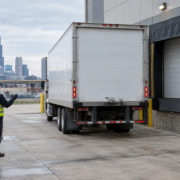
Could Dock Cameras Explain Chicago Truck Backing Crashes?
A truck reversing into a dock may share space with workers, visitors, forklifts, and other vehicles. When a person is struck, a key question is not simply whether the truck was backing, but what safeguards were in place and what the driver and people nearby could see or hear. A Chicago truck backing accident at a loading dock may involve a blocked sightline, a missed warning, an ineffective camera, or confusion about who was guiding the truck. Dinizulu Law Group helps injured people understand the questions that can matter in these cases. This article explains common loading-area hazards, what witnesses and records may reveal about the truck’s path, and how safety failures may factor into a legal review. The circumstances of each collision are different, and a hazard alone does not establish who is legally responsible.
How can loading-dock hazards contribute to Chicago truck backing accidents?
A loading dock is a work area in motion. A tractor-trailer may reverse toward a bay while employees move freight, pedestrians cross the yard, and forklifts travel between vehicles and the building. A driver’s view through mirrors or a rear camera can be limited by the trailer, dock structures, other vehicles, cargo, or changing light. A ground guide may also have an obstructed view or be positioned where the driver cannot see them.
Sightlines, pedestrian activity, and space
The layout matters. A parked truck or stacked equipment can conceal a person or hide the guide from the driver. Poor lighting, glare, uneven surfaces, crowded staging areas, or unclear routes may make it harder to detect movement. A guide to how a parked truck can block sightlines around a Chicago loading area explains why stationary vehicles can matter even when they are not involved in the impact.
Witnesses may be able to describe where the pedestrian was, whether the truck’s path crossed a walking route, and whether the driver had a clear view of the dock area. Those details can help distinguish a sudden, difficult-to-see movement from a collision that may have been avoided with better separation or coordination. They do not, by themselves, settle fault.
Reversing procedures and communication
A site may use a designated guide, agreed hand signals, radios, marked pedestrian routes, or a rule to stop if the guide disappears from view. Investigators may ask whether those procedures existed, were understood, and were followed. The relevant issue is not merely whether a spotter was present; it is whether communication remained clear throughout the maneuver and whether the driver stopped when visibility or guidance was lost.
What can witnesses and records reveal about the truck’s path?
After a backing collision, accounts can differ about where the truck started, how it turned, whether it paused, and when anyone gave a warning. Physical evidence and contemporaneous records may help test those accounts. For example, a witness may have seen the truck’s approach but not the pedestrian’s position, while a camera may show part of the yard but not the area behind the trailer. Each source has limits, so comparing sources can be useful.
Potentially relevant evidence may include:
- Surveillance video from the facility, nearby businesses, or vehicle cameras, if available and retained.
- Statements from the driver, dock workers, a ground guide, and other witnesses about the route, signals, alarms, and visibility.
- Photographs or measurements showing the dock layout, lighting, parked vehicles, equipment, pedestrian routes, and sight obstructions.
- Vehicle inspection or maintenance information concerning a reverse alarm, camera, or other warning equipment.
- Workplace procedures, training materials, dispatch or delivery records, and communications about the backing maneuver.
The purpose is to understand what happened, not to assume that a camera, alarm, or written rule existed or was defective. The evidence from a Chicago delivery truck backing crash may include several sources that help establish the truck’s route and the warnings people could perceive. In Chicago, facility conditions can vary widely, so evidence should be read in the context of the specific loading area and maneuver.
How do loading-dock conditions and safety failures affect fault?
A review may consider the conduct of the driver alongside the decisions and responsibilities of others involved in the operation. Depending on the facts, questions may arise about the trucking employer’s procedures, the dock operator’s traffic plan, maintenance of warning equipment, or the actions of a guide. The possibility that more than one person or business contributed does not mean each is legally liable; responsibility depends on evidence and applicable law.
If a worker or visitor was struck, the analysis may consider the person’s location and movement, the truck’s speed and direction, the visibility available, and whether warnings or guidance were used. A discussion of how fault is evaluated after a Chicago truck-pedestrian collision can help put pedestrian activity and surrounding conditions into context. That inquiry should avoid reducing the event to a single assumption about what the pedestrian or driver “should have” seen.
A suspected violation of a safety policy or rule may be relevant, but it does not automatically prove legal fault or establish that it caused an injury. The evidence must connect the alleged failure to the collision and the resulting harm. For more on that distinction, see how truck safety violations may relate to an injury claim. Illinois law and procedures can change, and the applicable analysis depends on the circumstances; a lawyer can assess how the facts relate to a claim in Chicago or Cook County.
Frequently Asked Questions
Does a backing alarm prove that a truck was operated safely?
No. An alarm may warn people nearby that a vehicle is reversing, but its presence does not establish that it was working, audible in the conditions, or enough to prevent a collision. Investigators may consider the alarm alongside the truck’s path, camera views, lighting, nearby noise, and any spotter’s directions. The wider context matters when evaluating what precautions were reasonable and whether a warning could have been perceived.
Can a loading-dock owner or operator share responsibility for a crash?
Possibly, depending on the evidence and the parties’ roles. A review may consider whether the facility’s layout, pedestrian routes, staging practices, or safety procedures contributed to the collision. The truck driver or employer may also be part of the inquiry. Identifying a potential issue is not the same as proving legal responsibility; the specific relationships, duties, and causal facts matter under applicable Illinois law.
What if there was no spotter or ground guide?
The absence of a guide may prompt questions about the site’s reversing procedures, visibility, and the nature of the maneuver, but it does not by itself determine liability. A reviewer may examine whether a guide was required by a policy, whether the driver could see the area, and what other safeguards were used. The answer depends on the particular workplace, truck, and circumstances of the backing movement.
What if the collision happened on private property in Chicago?
A collision on private property can still raise personal injury and liability questions. The location may affect which records exist and who controlled the loading area, but it does not automatically resolve whether a claim may be brought. The facts, applicable Illinois law, and procedural details matter. A lawyer familiar with Chicago-area injury claims can explain how those factors may apply to a specific situation.
How Dinizulu Law Group Can Help
Dinizulu Law Group is dedicated to helping injured people understand the facts and legal issues that may follow a commercial truck collision. A review may consider the truck’s movement, the condition of warning equipment, witness accounts, sightlines, and the responsibilities of people or businesses involved in the loading operation. The firm is committed to fighting for clients’ rights while recognizing that each matter depends on its evidence and circumstances. If you were hurt in a Chicago loading-dock collision, contact Dinizulu Law Group to discuss your situation and request a free consultation or case evaluation.
The information in this article is for educational purposes only and does not constitute legal advice. Laws vary by location and may change; contact a qualified attorney licensed to practice in Illinois for advice specific to your situation.


