Truck Brake Failure Lawyer Chicago: Who May Be Liable?
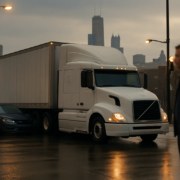
A truck approaching an intersection should have enough stopping power to respond to traffic, signals, and changing road conditions. When a semi-truck cannot stop because of a brake problem, the consequences can be serious—and the cause may not be obvious from the collision alone. Someone searching for a truck brake failure lawyer in Chicago may be trying to understand whether the failure was sudden and unavoidable or connected to missed inspections, worn components, poor repairs, or inadequate maintenance.
Dinizulu Law Group helps injured people understand the questions that may matter after a commercial vehicle crash. This article explains how brake-related evidence is evaluated, what may point to a trucking company’s responsibility, and why prompt efforts to identify the carrier and preserve records can be important in Chicago, Illinois.
When Can Truck Brake Failure Make a Chicago Trucking Company Liable?
Brake failure does not automatically establish legal liability. Generally speaking, an injured person must connect the crash to a party’s conduct or legal responsibility and show that the conduct caused compensable harm. A trucking company may face questions when it owned, operated, leased, inspected, repaired, or controlled the vehicle and failed to use reasonable care.
Sudden failure versus preventable maintenance problems
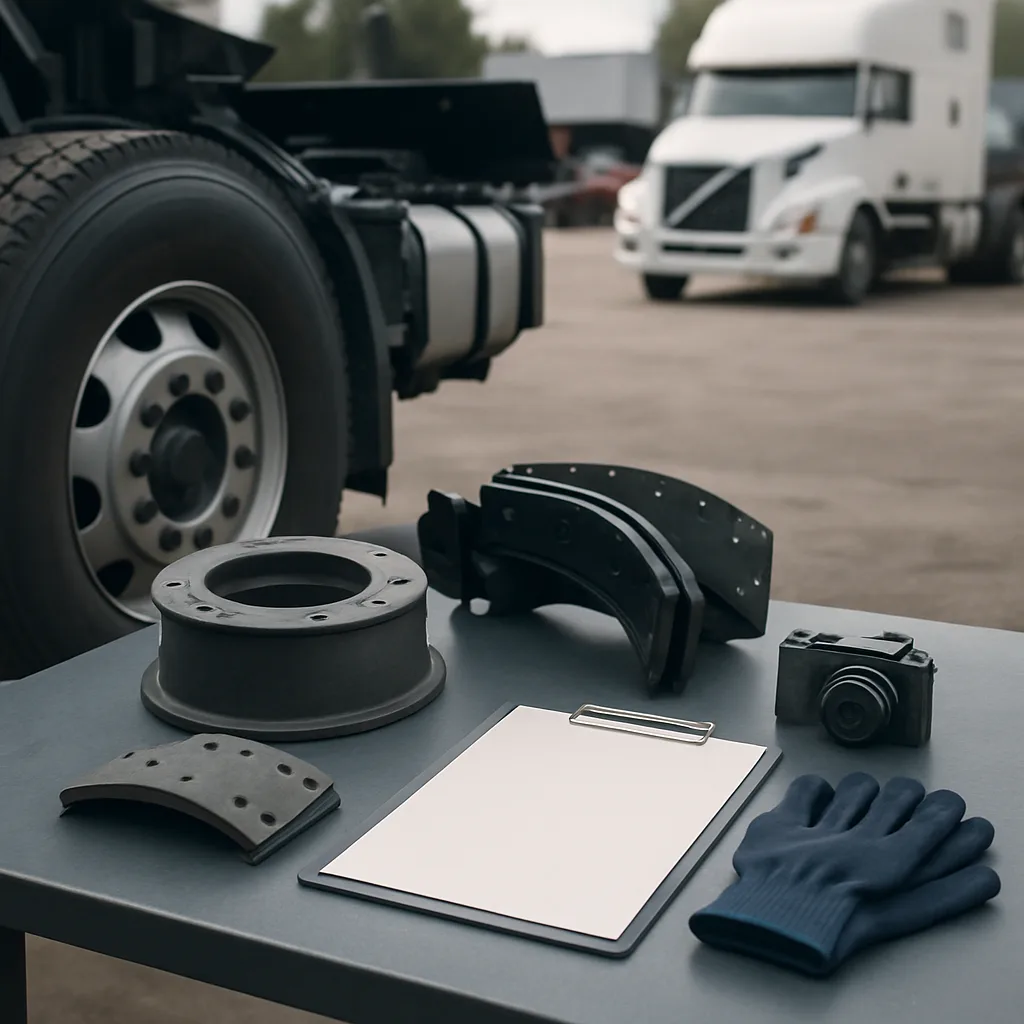
A component can fail unexpectedly despite reasonable care. Other failures may develop over time and leave warning signs, such as excessive wear, leaking air lines, damaged drums, defective hoses, or improperly adjusted brakes. The distinction often requires inspection by qualified professionals and review of records rather than assumptions based only on the driver’s statement or the appearance of the wreck.
Potential issues may include:
- Whether required pre-trip or post-trip inspections were completed;
- Whether the carrier followed a reasonable preventive-maintenance schedule;
- Whether prior inspection reports identified a brake concern;
- Whether repairs were performed correctly and documented; and
- Whether the truck was placed back in service despite an unresolved safety issue.
In Chicago, Illinois, a carrier’s responsibility may also depend on its relationship with the driver, vehicle owner, maintenance provider, and other involved businesses. A careful liability review should identify each potentially responsible party without assuming that every brake failure resulted from negligence.
What Evidence Can Show Commercial Truck Maintenance Negligence in Illinois?
The condition of the truck may change quickly after a crash. It might be towed, repaired, dismantled, or sold before an injured person has an opportunity to examine it. For that reason, evidence collection and preservation can be central to a trucking company negligent maintenance claim.
Important evidence may include:
- Crash-scene photographs and video. Images of the truck, roadway, tire marks, traffic position, visible brake components, and vehicle damage may help document what existed immediately after the collision. Nearby security footage, dash-camera video, and witness information can also be relevant.
- Inspection and maintenance records. These may show scheduled service, brake measurements, identified defects, repair orders, parts replaced, and the dates on which work was completed. Records can help establish whether a problem was recurring or previously reported.
- Tow records and post-crash inspections. Towing invoices, storage information, photographs taken at the tow yard, and records of who accessed the vehicle may help track the truck’s condition and location. A post-crash inspection may need to occur before parts are altered.
- Vehicle damage and component evidence. Damage to the tractor, trailer, wheels, brake assemblies, and connected systems may help investigators reconstruct what happened. A qualified expert may need to distinguish crash damage from a pre-existing defect.
- Carrier and truck identification. The company name, USDOT information, license-plate details, trailer markings, cargo documents, photographs, and witness accounts may help identify the carrier. Prompt identification matters because more than one company may be connected to the vehicle.
In the Chicago area, an official crash report may come from the Chicago Police Department or Illinois State Police, depending on where the collision occurred and which agency investigated it. Those reports can be useful, but they are only one part of the evidence. Illinois courts, including the Circuit Court of Cook County when a case is filed there, may consider testimony, records, expert analysis, and other admissible proof.
Steps and Mistakes After a Semi-Truck Brake Failure Accident
After a semi-truck brake failure accident, an injured person may be dealing with medical care, insurance calls, transportation problems, and uncertainty about what happened. General information cannot replace advice based on the specific crash, but several evidence-preservation principles are commonly important.
Evidence that may be difficult to recover later
Photographs should be taken only when it is safe and appropriate. Useful images may show the overall scene, vehicle positions, road surface, traffic controls, the truck’s front and rear areas, visible damage, and any apparent fluid or component damage. A person should not crawl under a truck or handle damaged parts to obtain evidence.
Common mistakes can include:
- Assuming the trucking company’s insurer will preserve every relevant record;
- Waiting too long to record the carrier’s identity or locate witnesses;
- Discarding damaged personal property before it is documented;
- Giving a detailed recorded statement before understanding the claim process; and
- Treating the police report as a complete technical finding about brake failure.
A lawyer may send preservation requests and seek records through the appropriate legal process. Depending on the circumstances, counsel may also evaluate inspection evidence, electronic vehicle data, driver qualification materials, loading information, and communications concerning the truck’s condition. These materials are not automatically proof of fault, but they may help clarify what the carrier knew or should have known.
Illinois law governs many claims arising from crashes in Chicago, but the applicable rules can vary based on the parties, location, facts, and filing forum. A timely review can help identify deadlines and the proper parties while evidence is still available.
Frequently Asked Questions
Does brake failure automatically mean the trucking company is liable?
No. Brake failure alone does not prove negligence or legal responsibility. The key questions may include whether the failure was reasonably preventable, whether inspections and repairs were adequate, who controlled the vehicle, and whether the problem caused the collision and injuries. In Chicago, Illinois, those questions are evaluated under the facts and applicable Illinois law.
Can I pursue a claim if I do not have photographs of the truck’s brakes?
Possibly. Photographs can be valuable, but they are not the only evidence. Crash reports, vehicle-damage photographs, tow records, maintenance files, inspection reports, witness accounts, video, and qualified expert analysis may help explain what happened. An attorney can assess what evidence may be available and whether the truck or related records can still be examined.
Who may be responsible besides the trucking company?
Potentially responsible parties depend on the evidence. They may include a vehicle owner, carrier, maintenance contractor, parts manufacturer, loader, or driver. Not every identified party will be legally responsible, and some relationships are governed by contracts or specialized rules. A fact-specific investigation may be needed to determine which parties had control over the truck or contributed to the crash.
What if the truck was repaired or sold after the collision?
The claim is not necessarily eliminated, but missing or altered evidence can make the investigation more difficult. Available photographs, tow and repair records, inspection histories, witness testimony, and other documentation may still provide useful information. Promptly identifying the carrier and sending appropriate preservation requests may help address concerns about evidence that could otherwise become unavailable.
How Dinizulu Law Group Can Help
Dinizulu Law Group is dedicated to helping injured people understand potential claims after truck and other motor-vehicle crashes. The firm can evaluate questions involving carrier identification, maintenance records, inspection evidence, tow documentation, vehicle damage, and the relationship between a brake problem and the collision.
The team is committed to fighting for clients’ rights while examining the facts carefully and communicating about available legal options. If you or a family member was injured in a commercial truck crash in Chicago, contact Dinizulu Law Group for a free consultation or case evaluation. The firm is ready to evaluate your situation.
The information in this article is for educational purposes only and does not constitute legal advice. Contact a qualified attorney licensed in Chicago, Illinois for advice specific to your situation.


