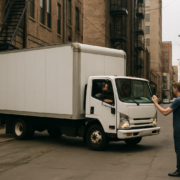
What Evidence Should a Chicago Delivery Truck Lawyer Gather?
A delivery truck may reverse only a short distance, but a low-speed backing collision can still cause serious injuries or substantial vehicle damage. If a truck backs into you in an alley, loading area, parking facility, or residential street, the first questions may include: Could the driver see you? Was a spotter present? Did a backup alarm or other warning operate? Was the route designed safely?
A Chicago delivery truck backing accident lawyer may examine more than the fact that the truck was moving slowly. The facts Chicago delivery truck accident lawyers examine can include truck position, sight lines, camera footage, witness accounts, delivery records, and the identity of the company operating the vehicle. Dinizulu Law Group can help readers understand why these details matter and what evidence may support an informed evaluation.
This article explains what to document, who may potentially share responsibility, and how injuries and property damage may be evaluated under Illinois law. It is general information, not a prediction of what will happen in any particular case.
What a Chicago Delivery Truck Backing Accident Lawyer Looks For at the Scene
Backing crashes often turn on details that can disappear quickly. A truck may be moved before photographs are taken, surveillance footage may be overwritten, and witnesses may leave before anyone records their names. In Chicago, Illinois, the location and layout of an alley, loading dock, garage, or street can help explain what the driver could see and what warnings were available.
Document the truck’s position and sight lines
If it is safe, photograph or record:
- The truck’s final position and the location of the person, bicycle, or vehicle involved.
- Damage to the truck, car, bicycle, property, or nearby structures.
- Blind zones, mirrors, rear cameras, reverse lights, and backup alarms.
- The width of the route, parked vehicles, gates, dumpsters, delivery equipment, and other obstructions.
- Skid marks, debris, tire positions, and any visible surveillance cameras.
Do not place yourself in traffic or near a moving vehicle to obtain evidence. A description written soon afterward can also preserve details such as whether the truck paused, sounded an alarm, or began reversing without a visible warning.
Identify the delivery company and witnesses
Record the company name, vehicle number, license plate if safely visible, driver’s name, and insurance information. A photograph of the truck’s side or rear may help identify the operator, but avoid confronting the driver or interfering with the delivery. Ask witnesses for contact information and note what each person actually observed rather than asking them to agree with a conclusion about fault.
Who May Be Liable in a Chicago Truck Backing Accident?
A commercial vehicle reverse collision may involve more than a driver’s momentary mistake. Responsibility depends on the evidence and the relationship among the driver, delivery company, truck owner, maintenance provider, and property operator. The parties that may share responsibility for a truck accident can differ from one incident to another.
A review may consider whether the driver was properly trained, whether the company’s delivery schedule or route created an unreasonable visibility problem, and whether a spotter was required or reasonably available. It may also examine whether the truck was stopped or positioned in a way that narrowed the route, whether the property owner controlled the loading area, and whether a maintenance issue affected warning or visibility equipment.
Check the truck’s warning and visibility equipment
Document whether the backup alarm sounded, whether reverse lights were visible, and whether mirrors, cameras, sensors, or brakes appeared to function. Do not attempt to test or repair the vehicle yourself. Vehicle failures that can contribute to Chicago truck crashes may become harder to evaluate after repairs, inspections, or routine fleet work.
A lawyer or investigator may seek maintenance records, inspection information, onboard camera footage, dispatch data, delivery logs, and company policies. Video from a nearby business or residential building may be especially important in a Chicago delivery truck backing accident because it can show the sequence, the vehicle’s path, and whether a warning was given.
When the person hit was a cyclist or pedestrian
Pedestrians and cyclists can be difficult to detect from a truck’s rear or side, particularly in crowded alleys, driveway entrances, loading zones, and parking structures. A Chicago bicyclist collision involving a larger vehicle illustrates why investigators may need to examine blind zones, sight lines, warning signals, and the person’s position.
Illinois negligence questions may include the conduct of each involved party. Depending on the facts, an attorney may evaluate comparative-fault issues, employer responsibility, property conditions, and applicable insurance coverage. Laws and procedures can vary by location and may change, so a lawyer licensed to practice in Illinois should assess the specific circumstances.
What to Do Immediately After a Truck Backing Collision
Safety and medical needs come first. If anyone may be injured or the scene presents a hazard, contacting emergency services may be appropriate. A police report, medical records, photographs, and witness information can create an important starting point, but the report alone may not resolve every question about visibility, warnings, or responsibility.
For more practical guidance, review what to do after a Chicago truck backing collision. Generally, useful steps may include:
- Move to a safe location if possible and request emergency assistance when needed.
- Obtain medical evaluation for symptoms or injuries, including symptoms that appear later. Do not self-diagnose or assume a low-speed impact could not cause harm.
- Photograph the scene, truck position, damage, roadway layout, warning equipment, and obstructions when it is safe.
- Write down the delivery company’s identity, the truck description, witnesses, weather, lighting, and what warnings you heard or saw.
- Preserve damaged clothing, bicycle equipment, vehicle parts, receipts, and communications related to the incident.
- Avoid guessing about fault or making an absolute statement about your injuries before the facts are clear.
Track the effects of the collision
Keep records of appointments, treatment instructions, missed work, vehicle or bicycle repair estimates, and changes in daily activities. How the value of truck accident injuries may be evaluated can depend on medical documentation, property damage, lost income, and the continuing effects described by qualified professionals. Low speed does not by itself determine the seriousness or potential value of a claim.
An attorney may also consider preservation requests for video, electronic vehicle data, driver schedules, delivery records, and maintenance files. Evidence preservation can be time-sensitive because businesses often use automatic deletion systems for surveillance footage.
Frequently Asked Questions
Is a delivery company responsible when its driver backs into a parked car?
Not automatically. Responsibility may depend on who employed or controlled the driver, how the vehicle was positioned, whether the driver had a clear path, and whether another person or property condition contributed. Insurance coverage and Illinois legal rules may also affect the analysis. A Chicago delivery truck backing accident lawyer can review the available photographs, witness accounts, company information, and damage evidence without assuming the answer in advance.
What if the delivery truck left before I could collect its information?
Try to preserve details such as the truck’s color, body style, markings, direction of travel, approximate time, location, and any partial plate or vehicle number. Nearby businesses, residences, garages, and traffic systems may have video, although access and retention periods vary. Witnesses may also help identify the operator. Reporting the incident and obtaining medical care may create records that support later investigation.
Can a cyclist or pedestrian bring a claim after a low-speed backing collision?
Potentially, depending on the facts, injuries, available insurance, and applicable Illinois law. The investigation may focus on the driver’s visibility, alarms, cameras, spotter use, route design, and the person’s location. Medical documentation is important even when the impact seemed minor. Because deadlines and legal standards vary, a licensed Illinois attorney can explain options specific to the incident.
What evidence is useful if no one saw the collision?
A claim may still be evaluated using photographs, vehicle damage, paint or debris patterns, surveillance footage, phone records, delivery logs, driver statements, medical records, and the physical layout of the scene. Evidence does not need to come from one eyewitness to be relevant. Promptly recording what happened and identifying cameras or other records may help preserve information that could otherwise be lost.
How Dinizulu Law Group Can Help
Dinizulu Law Group is dedicated to helping injured people and vehicle owners understand the evidence surrounding commercial vehicle crashes in Chicago, Illinois. The firm is committed to fighting for clients’ rights while examining practical details such as truck position, warning systems, surveillance footage, witness accounts, company identity, medical records, and insurance coverage.
A Chicago delivery truck backing accident lawyer may be able to help identify relevant parties, communicate with insurers, and evaluate whether additional evidence should be preserved. Contact Dinizulu Law Group for a free consultation or case evaluation to discuss what happened and explore your legal options.
The information in this article is for educational purposes only and does not constitute legal advice. Contact a qualified attorney licensed in Chicago, Illinois for advice specific to your situation.


