Can Chicago Truck-Pedestrian Accident Lawyers Explain Fault?
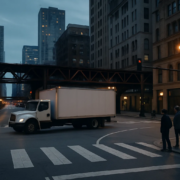
A truck turns across a Chicago intersection while a pedestrian begins crossing. A delivery vehicle enters a driveway as someone walks along the sidewalk. At a busy transit stop, a large vehicle blocks the driver’s view of a person near the curb. These collisions can happen in seconds, but determining responsibility often requires careful review of what each person could see, do, and reasonably anticipate.
Chicago Truck-Pedestrian Crosswalk Crashes: How Fault Is Evaluated in Chicago, Illinois depends on more than whether a pedestrian was inside painted lines. Investigators may examine traffic signals, lighting, turning paths, driver conduct, vehicle design, loading activity, and the actions of companies or public entities connected to the roadway. Dinizulu Law Group provides guidance to people injured in truck crashes and families coping with a fatal collision. This article explains what evidence may matter, who may need investigation, and why early preservation efforts can be important.
How Fault Is Evaluated in Chicago Truck-Pedestrian Crosswalk Crashes
Illinois fault analysis generally asks whether a person or entity failed to use reasonable care and whether that conduct contributed to the injury. In a truck-pedestrian crash, several decisions may be examined together rather than in isolation. A driver may have been turning, backing, entering a private driveway, stopping near a transit location, or navigating a construction zone. Each setting creates different visibility and traffic-control questions.
Right of way is important, but it is not the entire analysis
A marked crosswalk, pedestrian signal, or stop sign may provide important evidence. However, a case may also involve an unmarked crossing, a sidewalk entrance, a bus stop, or a roadway where construction changed the usual path of travel. The analysis can include whether the pedestrian was visible, whether the driver kept a proper lookout, whether the truck yielded when required, and whether roadway conditions affected what either person could perceive.
Chicago, Illinois, has dense traffic, frequent deliveries, transit activity, and changing work zones. A right-of-way slogan cannot answer every factual question. Investigators may need to reconstruct vehicle positions, sight lines, speed, signal phases, and the timing of the crossing.
Common collision settings
The details can differ when a pedestrian is struck:
- In a marked or unmarked crossing
- During a right turn or left turn
- Near a CTA stop or other transit loading area
- At a commercial driveway or warehouse entrance
- Beside construction barriers, temporary signals, or altered sidewalks
- While a truck is backing, parking, or making a delivery
The location should be documented promptly because traffic patterns, barriers, parked vehicles, and temporary signs may change.
Evidence and Entities Investigated After a Commercial Truck Hits a Pedestrian
Evidence can disappear quickly after a collision. Vehicle damage may be repaired, surveillance footage may be overwritten, and a truck may leave the area before its identifying information is recorded. Depending on the circumstances, a Chicago truck-pedestrian accident lawyer may examine several categories of proof.
Potential evidence includes:
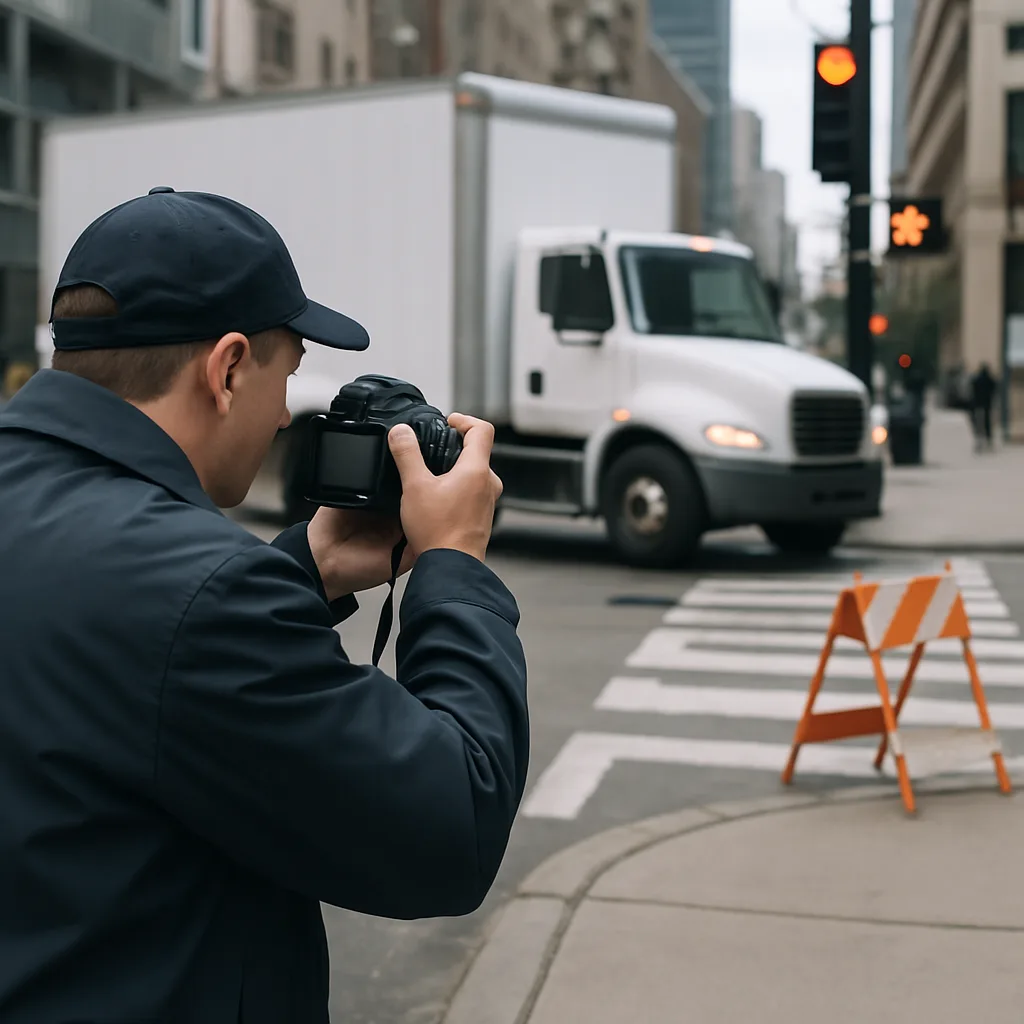
- Photographs or video of the scene, crosswalk, curb, signals, lighting, and nearby obstructions
- Names and contact information for witnesses
- Police reports, 911 records, and available traffic-camera footage
- Truck identification details, including the license plate, company markings, trailer information, and distinctive features
- Electronic data, onboard cameras, GPS information, or dispatch records when available
- Driver schedules, delivery instructions, training materials, and employer policies
- Maintenance, inspection, and repair records for the truck
- Medical records and other documentation describing the injuries and their effects
A family or injured pedestrian may not know which records exist or who controls them. A trucking company, delivery contractor, vehicle owner, maintenance provider, property owner, construction contractor, or public entity may each possess information relevant to the investigation. That does not mean every potentially connected entity is legally responsible. It means the relationships and evidence may require review before conclusions are reached.
For fatal truck-pedestrian accidents in Chicago, the investigation may also involve the pedestrian’s estate and surviving family members. Wrongful-death issues can differ from an injured person’s claim, including questions about the proper representative, damages, and applicable deadlines under Illinois law. The relevant facts and parties should be evaluated under Illinois law, while local procedural matters may involve Cook County courts or other appropriate forums.
Protecting the Claim Without Losing Important Facts
People often focus first on medical care, funeral arrangements, or helping relatives. Those priorities are understandable. At the same time, simple documentation can help preserve facts for later review. Depending on the person’s condition and circumstances, useful steps may include:
- Reporting the collision and obtaining the available incident information.
- Recording the truck’s identifying details, if it is safe and practical to do so.
- Photographing clothing, the crossing area, vehicle damage, lighting, and roadway conditions.
- Listing witnesses and preserving their messages or contact information.
- Keeping damaged personal property in its post-crash condition when possible.
- Saving medical bills, discharge papers, photographs of visible injuries, and communications with insurers.
A person should avoid guessing about speed, distance, or fault when speaking with an insurer or investigator. Statements made before the evidence is complete can be misunderstood. It is also important not to assume that a police report resolves civil liability; a report may contain helpful observations, but a civil claim can require additional evidence and legal analysis.
Illinois generally follows a modified comparative-fault approach, meaning a person’s own share of responsibility may affect recovery and may become significant if the evidence supports a substantial degree of fault. The exact rules, deadlines, and claim procedures can depend on the type of defendant and the circumstances. Laws and procedures vary by location and may change, so an attorney licensed in Illinois can explain how they may apply.
Frequently Asked Questions
Does a pedestrian always have the right of way in a Chicago crosswalk?
Not automatically in every factual situation. A pedestrian signal, marked crosswalk, traffic signal, and approaching vehicle’s conduct may all matter. The analysis can also consider visibility, lighting, obstructions, the pedestrian’s movements, and whether the driver was turning or entering a driveway. Fault is generally determined from the complete evidence, not from the label “crosswalk” alone.
What if the truck driver left before I recorded the company information?
Other sources may help identify the vehicle. Witnesses, nearby business cameras, transit-area footage, police records, photographs, vehicle debris, and delivery activity may provide clues. Promptly preserving available information can be important because video systems may routinely overwrite footage. A lawyer may be able to help investigate ownership, employment, insurance, and other records without assuming that an initial description is complete.
Can a trucking company be responsible for a pedestrian collision?
Possibly, depending on the relationship between the driver and company and the facts surrounding the crash. Investigation may address driver training, supervision, scheduling, maintenance, dispatch instructions, vehicle ownership, or the work performed at the location. A company is not automatically liable simply because its vehicle was involved. Responsibility must be evaluated under the applicable Illinois legal standards.
What claims may a family consider after a fatal truck-pedestrian crash?
A fatal collision may raise wrongful-death and estate-related issues, along with possible claims for losses recognized by Illinois law. The appropriate claim, representative, damages, and deadlines depend on the circumstances and the relationship of surviving family members. Families may benefit from learning which records to preserve and which parties may have relevant information before making assumptions about the available legal options.
How Dinizulu Law Group Can Help
Dinizulu Law Group is dedicated to helping injured pedestrians and families understand the issues that can arise after a truck collision in Chicago, Illinois. The firm can evaluate the available facts, identify questions about the driver and trucking company, and consider whether vehicle, roadway, construction, property, or transit-related evidence may be relevant. Its team is committed to fighting for clients’ rights while explaining the process in plain language. Contact Dinizulu Law Group for a free consultation or case evaluation to discuss your situation and explore your legal options.
The information in this article is for educational purposes only and does not constitute legal advice. Contact a qualified attorney licensed in Chicago, Illinois for advice specific to your situation.


