Truck Cargo Accident Lawyer Chicago: Shifting Loads
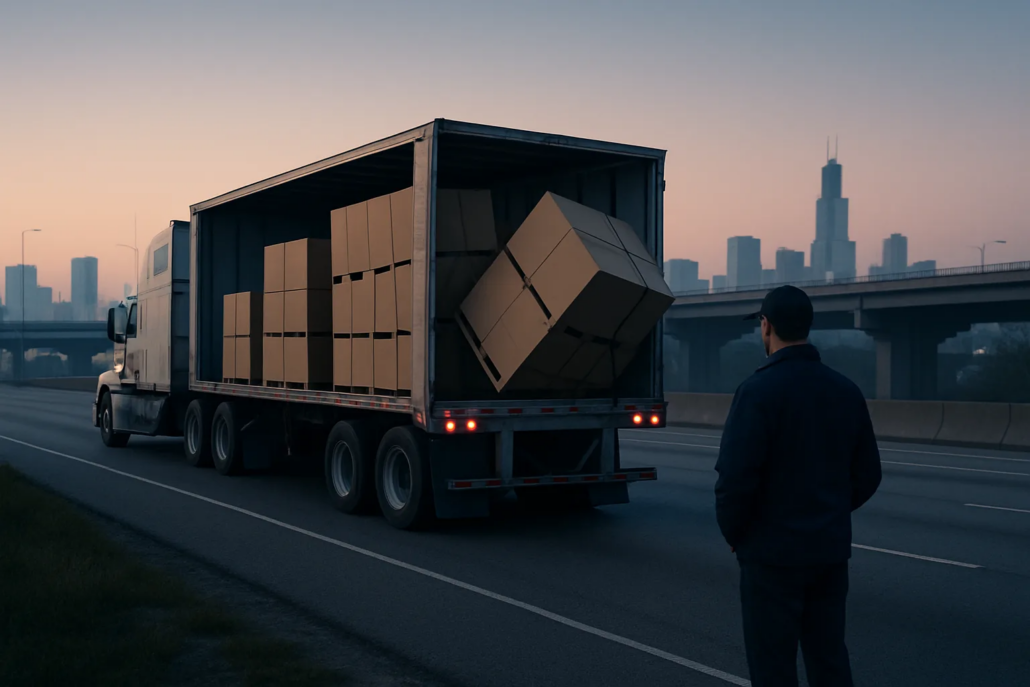
A truck can appear to be traveling normally until its cargo moves. A sudden lane change, hard brake, sharp turn, or uneven road surface may cause a poorly restrained load to slide, tip, spill, or fall. In Chicago, Illinois, the resulting event may involve more than a simple collision between a truck and another vehicle. It may be a cargo securement accident with several possible sources of evidence and several potentially responsible parties.
For someone injured in this type of crash, identifying the truck cargo securement accident lawyer Chicago residents can turn to is only one part of the process. It is also important to understand how the load was prepared, who controlled it, and whether the carrier followed applicable safety requirements. Dinizulu Law Group provides legal guidance in truck and personal injury matters and can help explain how these issues are commonly evaluated.
This article discusses how cargo-related crashes happen, why responsibility may extend beyond the driver, what evidence can matter, and what questions an injured person may consider after a collision. Laws and procedures vary by jurisdiction and may change, so an attorney must evaluate the particular facts.
How Chicago Truck Cargo Securement Accidents Happen
Cargo does not need to fall completely from a trailer to create a serious hazard. A load that shifts several inches can change a truck’s balance, affect steering, or make braking less predictable. Loose materials may also break through a side or rear opening and enter the path of other road users.
Common cargo-related crash patterns
Several situations may lead to injuries in Chicago, Illinois:
- Sudden lane changes: A load that is not adequately restrained may slide when the truck moves laterally, increasing the risk of loss of control or contact with another vehicle.
- Rollovers: Unevenly distributed or unsecured cargo can raise the risk of instability during a curve, ramp, or evasive maneuver.
- Falling materials: Construction materials, equipment, packaged goods, or other freight may fall onto the roadway or strike a nearby vehicle.
- Cargo striking vehicles: A shifted load can push against a trailer wall, break free, or extend into an adjacent lane.
- Delayed braking or steering: Excess weight in one area may alter how the truck responds, even when the driver is attempting to avoid a crash.
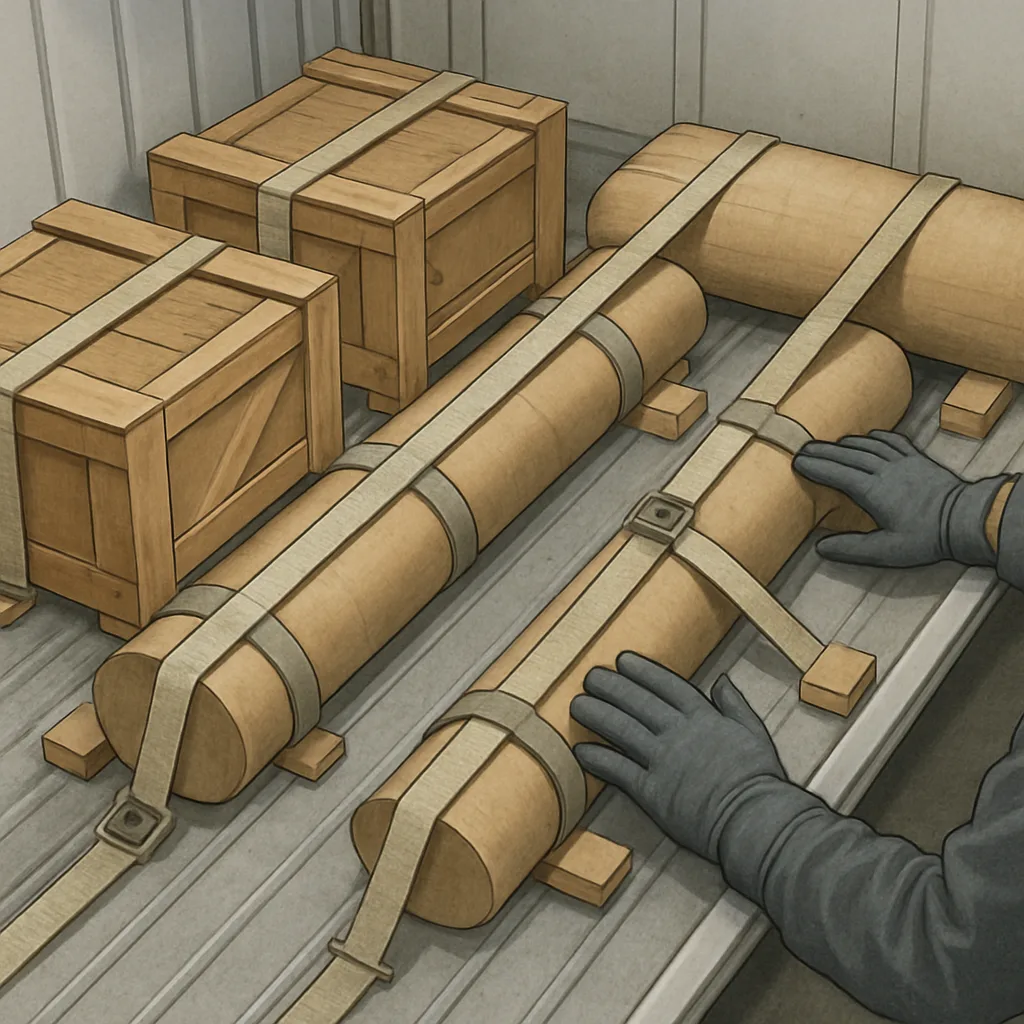
The condition of the cargo after the incident may offer clues, but it is not always conclusive. Investigators may need to examine tie-downs, blocking and bracing, anchor points, trailer damage, loading photographs, and the type and weight of the freight. Weather, road conditions, vehicle speed, and the truck’s maneuver also may be relevant.
Why Liability May Extend Beyond the Truck Driver
A driver may have duties involving inspection and safe operation, but the driver is not necessarily the person who selected, loaded, balanced, or secured every item. Depending on the facts, an investigation into an improperly secured load truck accident may examine the actions of multiple businesses or individuals.
Parties that may be examined
- The loading crew or warehouse: Workers or a facility may have placed freight unevenly, used inadequate restraints, or failed to account for the cargo’s size, shape, or weight.
- The motor carrier: A trucking company may have responsibilities involving procedures, training, inspections, supervision, and maintenance of securement equipment.
- A shipper, broker, or logistics company: Contracting arrangements may help show who provided instructions, selected the carrier, or controlled the loading process. The legal effect of those relationships depends on the evidence and applicable law.
- The truck or trailer owner: Defective anchor points, damaged floors, broken doors, or worn equipment may contribute to a cargo failure.
- A maintenance or equipment provider: In some cases, a repair issue or defective component may require separate analysis.
For interstate commercial transportation, federal cargo securement requirements may apply. Illinois requirements and general negligence principles may also be relevant, depending on the vehicle, roadway, parties, and type of shipment. These rules should not be assumed to resolve liability automatically. Compliance questions, contractual duties, and factual responsibility are separate issues.
In Chicago, Illinois, records may come from the trucking company, shipper, warehouse, insurers, responding law-enforcement agencies, and state or federal regulators. A collision report from the Chicago Police Department or Illinois State Police may be useful, but it generally represents an initial account rather than a complete legal determination. If a claim proceeds in Cook County Circuit Court or another court, the correct venue and procedure depend on the circumstances.
Evidence, Claims, and Common Mistakes After a Cargo Crash
Cargo may be removed, reloaded, repaired, or discarded shortly after a crash. That makes early documentation important. Depending on the circumstances, an attorney may seek photographs, electronic data, inspection materials, loading records, bills of lading, dispatch communications, driver logs, and information about prior equipment problems.
Useful evidence may include:
- Photographs or video of the truck, trailer, roadway, spilled cargo, tie-downs, and surrounding vehicles
- Names and contact information for witnesses
- Medical records and bills documenting care received after the collision
- The police or crash report, if available
- Insurance information and communications from involved companies
- Vehicle damage photographs and repair estimates
- Information about the shipment’s weight, dimensions, packaging, and loading instructions
A person involved in a Chicago truck cargo crash may make the investigation more difficult by guessing about who caused the incident, posting detailed statements online, or discarding damaged personal property. Providing a recorded statement to an insurer without understanding the claim issues may also create complications. Generally speaking, preserving available information and communicating carefully can help maintain an accurate record. An attorney may advise differently based on the specific facts.
Potential claims can involve negligence, property damage, and compensation for injury-related losses. The available categories and amount of recoverable damages depend on proof, medical circumstances, insurance coverage, comparative-fault issues, and other Illinois legal considerations. Time limits can also apply, and they may differ based on the claim and the parties involved. A licensed Illinois attorney can explain how those deadlines may affect a particular situation.
Frequently Asked Questions
Can cargo shift even when a truck driver is operating carefully?
Yes. A careful driver may still face a cargo-related hazard if freight was loaded unevenly, restraints were inadequate, or equipment failed. A sudden road event may expose a securement problem that was not visible from the cab. That does not automatically establish fault by any particular person. Investigators generally examine the loading process, inspection records, equipment, driving conduct, and other conditions before drawing conclusions.
What if falling cargo damaged my vehicle but I was not physically injured?
A falling object or spilled load can create a property-damage claim even when no physical injury is reported. The available remedy may depend on proof of responsibility, insurance coverage, the extent of damage, and Illinois rules governing the claim. Photographs, repair estimates, witness information, and the crash report may help document what occurred. A lawyer can discuss the legal options that may apply to the circumstances.
Does a shipment’s owner automatically pay for a shifting cargo crash?
No. Ownership of the freight alone does not necessarily establish legal responsibility. The investigation may need to determine who loaded the cargo, who selected or instructed the carrier, who controlled the equipment, and whether any party failed to use reasonable care. Contracts and transportation records may be important, but their legal effect varies. Liability must be evaluated under the facts and applicable Illinois law.
What information should I bring to a consultation about a cargo crash?
Bring available photographs, videos, medical and repair records, the crash report, insurance correspondence, witness information, and any details about the truck or shipment. Do not delay a consultation simply because some records are missing. In many cases, additional information can be requested from other parties. A licensed attorney can identify which evidence may be relevant and explain the next steps based on the incident.
How Dinizulu Law Group Can Help
Dinizulu Law Group is dedicated to helping injured people understand their options after truck and personal injury incidents in Chicago, Illinois. The firm can review how the crash occurred, assess whether cargo securement, loading practices, equipment, or driving conduct may be relevant, and identify the records that could help clarify responsibility.
The legal team is committed to fighting for clients’ rights while presenting the facts carefully and communicating about the process. If you or a family member was affected by shifting or falling cargo, contact Dinizulu Law Group for a free consultation or case evaluation. The firm is ready to evaluate your situation and explain potential legal options.
The information in this article is for educational purposes only and does not constitute legal advice. Contact a qualified attorney licensed in Chicago, Illinois for advice specific to your situation.


Leave a Reply
Want to join the discussion?Feel free to contribute!