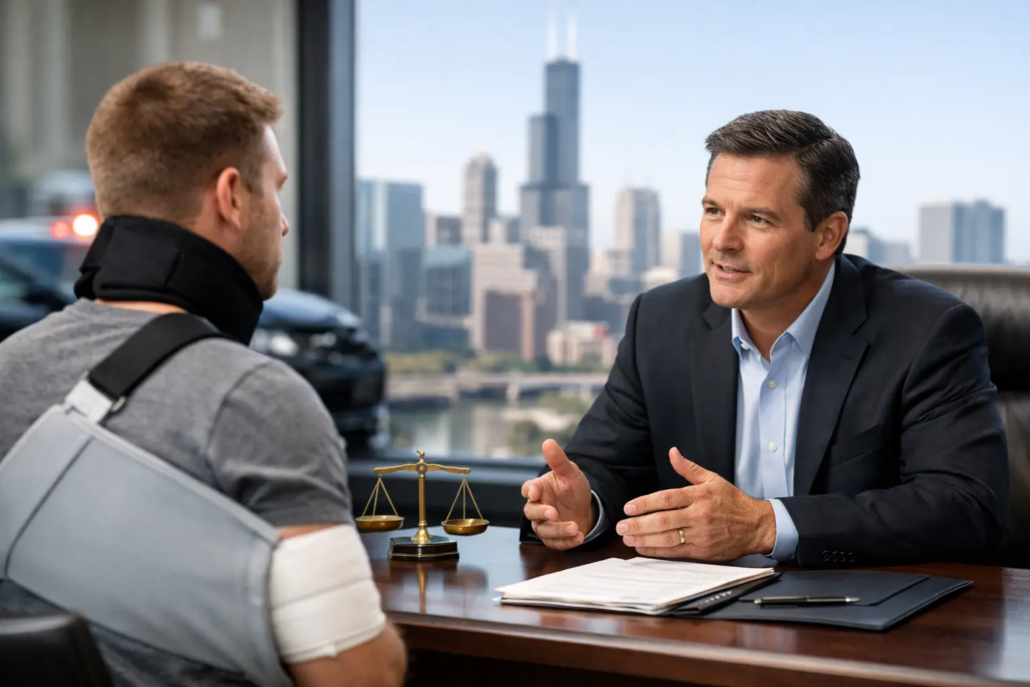
When to Call a Personal Injury Lawyer in Chicago
A serious injury can turn an ordinary day into a crisis. One moment, you are driving to work, visiting a loved one, or trusting a professional to do their job. The next, you are facing medical bills, missed paychecks, pain, and questions nobody seems willing to answer. A personal injury lawyer helps bring order to that chaos by protecting your rights and pursuing accountability from the people, companies, or institutions responsible.
For Chicago families, the decision to seek legal help is rarely only about money. It is about being heard, getting straight answers, and refusing to let an insurer or powerful institution minimize what happened. Legal action cannot erase an injury or restore a life that was lost. It can, however, provide resources for care, protect a family’s future, and require those at fault to answer for the harm they caused.
When You Should Speak With a Personal Injury Lawyer
Not every accident requires a lawsuit. But when an injury is serious, the facts are disputed, or an insurance company is already pressuring you to settle, speaking with an attorney early can make a meaningful difference.
You should consider a consultation after a crash involving hospitalization, surgery, broken bones, head trauma, spinal injuries, or ongoing treatment. The same is true when a loved one has died because of another person’s negligence, when a commercial truck is involved, or when several parties may share responsibility. These cases often require prompt investigation before evidence disappears.
Legal help is also especially important in cases involving medical malpractice, nursing home neglect, sexual abuse, DCFS-related harm, police misconduct, or other civil rights violations. These matters can involve institutions with their own attorneys, internal records, insurance coverage, and procedures designed to protect themselves. Survivors and families deserve counsel that treats them with respect while pursuing the truth without hesitation.
There is no prize for handling a high-stakes claim alone. Insurers have adjusters, investigators, and lawyers working to limit what they pay. You deserve someone focused on your interests.
What a Personal Injury Lawyer Actually Does
A strong legal claim begins well before a courtroom. Your attorney’s job is to investigate what happened, identify who is legally responsible, document the full extent of your losses, and build a case that can withstand pressure from insurers and defense counsel.
That may include reviewing police reports and medical records, preserving vehicle data, locating surveillance footage, interviewing witnesses, consulting qualified experts, and examining whether a business, property owner, employer, hospital, manufacturer, or government agency failed in its duty to keep people safe. In a truck crash, for example, responsibility may extend beyond the driver to a trucking company, maintenance provider, cargo loader, or manufacturer.
Your lawyer also handles communications that can otherwise become exhausting or risky. Insurance adjusters may request recorded statements, ask broad questions about your medical history, or offer an early settlement before the long-term effects of an injury are clear. A settlement offer can sound helpful when bills are mounting, but accepting it usually means giving up the right to seek more compensation later.
The right approach depends on the facts. Some claims can be resolved through a fair settlement. Others require filing suit and preparing for trial because the other side refuses to take responsibility. A firm should be ready for both paths, not eager to settle simply because litigation takes work.
Compensation Is About the Full Harm, Not Just Today’s Bills
After an injury, the first costs are often easy to see: emergency care, ambulance charges, medication, rehabilitation, and missed work. But the true impact may continue for months or years. A catastrophic injury can change a person’s ability to work, care for children, move independently, or participate in the life they knew.
Depending on the case, compensation may address medical expenses, future treatment, lost income, reduced earning capacity, physical pain, emotional suffering, disability, disfigurement, and the loss of normal life. In a wrongful death case, surviving family members may also face the devastating loss of companionship, support, guidance, and financial stability.
No lawyer can ethically promise a particular result. Case value depends on the evidence, the severity and permanence of injuries, available insurance or assets, the conduct of those responsible, and the law that applies. But a careful case evaluation should account for the whole human cost, not just the bill in front of you today.
Protecting Your Claim After an Accident or Injury
Your health comes first. Get medical attention promptly and follow the treatment plan you receive. Delays in care can affect recovery and may give an insurer an opening to argue that an injury was not serious or was caused by something else.
If you are able, preserve what you can. Keep photographs of visible injuries, damaged vehicles, dangerous conditions, or the scene. Save medical paperwork, receipts, work absence records, and communications from insurance companies. Write down how the injury affects your sleep, mobility, work, family responsibilities, and daily life. These details can become important evidence later, particularly when pain or limitations are not obvious in a photograph.
Be cautious about discussing the incident publicly. Social media posts, even innocent ones, can be taken out of context. It is also wise to avoid signing releases, accepting a check, or providing a recorded statement until you understand what rights you may be giving up.
In Illinois, legal deadlines can apply, and some claims against government entities may involve special notice requirements or shorter time limits. The timing depends on the facts and the type of claim. Waiting too long can make it harder to preserve evidence or, in some situations, prevent a claim from moving forward at all.
What to Look for in a Lawyer
Experience matters, particularly when the injury is severe or the case involves a corporation, hospital system, government agency, or insurer with significant resources. But skill should not come at the expense of human decency. You should not feel like a file number when you are dealing with pain, grief, trauma, or uncertainty.
Look for a legal team that explains the process in plain language, returns calls, prepares cases thoroughly, and is willing to take a matter to trial when justice requires it. Ask how the firm handles fees, who will communicate with you, and whether it has experience with cases like yours. Most personal injury firms work on a contingency fee, meaning legal fees are generally paid from a recovery rather than charged upfront. Make sure you understand the agreement before you sign.
For communities that have too often been dismissed or treated unfairly, trust is not a marketing phrase. It is earned through honest advice, careful listening, and determined advocacy. Dinizulu Law Group approaches every case with that responsibility in mind: justice with dignity, and representation that recognizes the person behind the claim.
A Conversation Can Give You Clarity
You do not need to know every legal term or have every document before speaking with an attorney. A consultation is a chance to explain what happened, ask direct questions, and learn whether a claim may exist. It can also help you understand what evidence should be protected and what steps should come next.
If someone else’s negligence, abuse, or misconduct has changed your life, do not let pressure from an insurer or fear of the legal process keep you from seeking answers. Get the care you need, keep the information you have, and speak with someone who will treat your story with the seriousness and dignity it deserves.


