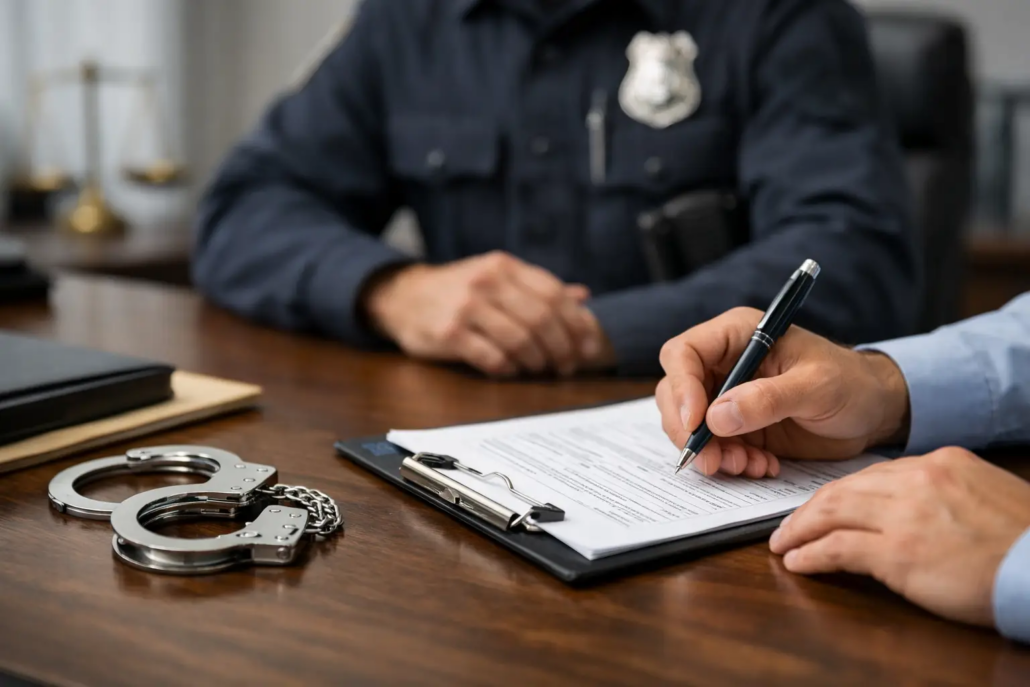
How to Report Police Misconduct in Illinois
A painful police encounter can leave you shaken, injured, angry, or unsure whether anyone will believe you. Knowing how to report police misconduct can help you create a record, preserve evidence, and protect your ability to pursue accountability. You do not have to have every answer before you take the first step.
Police misconduct can include excessive force, unlawful stops or searches, false arrest, racial discrimination, harassment, sexual misconduct, retaliation, falsified reports, or denial of medical care while in custody. Not every troubling encounter becomes a successful legal claim, and officers may have defenses depending on the facts. But a badge does not erase your constitutional rights or excuse abuse of power.
Put Your Safety and Medical Needs First
If you are in immediate danger, move to a safe location as soon as you can. Do not argue with an officer at the scene if doing so could put you at greater risk. Your safety matters more than proving a point in the moment.
Seek medical care promptly if you were hurt, even if the injuries seem minor. Adrenaline can mask pain, and bruising, head injuries, soft tissue damage, and emotional trauma may become clearer over the following days. Tell the medical provider how the injury happened so the records accurately reflect the event. Keep discharge papers, bills, prescriptions, photographs of visible injuries, and notes about follow-up treatment.
Medical documentation can be significant evidence. It can also ensure that your health needs are treated with the seriousness they deserve.
Write Down What Happened While It Is Fresh
Memory fades quickly after a traumatic event. As soon as it is safe, write a detailed account in your own words. Include the date, time, location, what happened before police arrived, what each officer said and did, and what happened after the encounter.
Record identifying information wherever possible, such as officer names, badge numbers, vehicle numbers, body-camera references, and the agency involved. If you do not know an officer’s name, describe their appearance, assignment, partner, patrol car, or any other detail that could help identify them later.
Also note the names and contact information of witnesses. A bystander who saw the incident may have video or a perspective that is not reflected in the police report. Ask witnesses to save any recordings rather than posting or editing them. A copy stored in more than one secure place is generally safer than relying on a single phone.
Do not alter photographs, videos, texts, or social media messages related to the event. Save original files and screenshots showing dates, times, and account names. If you have video, preserve the full recording, not only the most dramatic clip. Context can matter.
How to Report Police Misconduct Through the Department
A department complaint is often an appropriate first reporting channel. In Chicago, complaints involving Chicago Police Department officers may be submitted to the Civilian Office of Police Accountability, commonly called COPA. Other Illinois municipalities and counties may use their own police department professional standards unit, civilian review body, sheriff’s office process, or municipal complaint system.
When you file, give a clear factual account. Avoid guessing about facts you do not know. Explain what you personally saw, heard, experienced, or documented. Include the approximate time and location, the officers involved if known, witness information, injury details, and any evidence you have preserved.
Ask for a complaint or case number and keep a copy of everything you submit. If you report in person or by phone, follow up in writing when possible. A written record can help establish when you made the complaint and what information you provided.
An internal or civilian complaint may lead to an investigation and discipline, but it does not automatically provide compensation for injuries or civil rights violations. It also does not necessarily preserve every legal deadline for a lawsuit. Those are separate issues.
Request Preservation of Video and Records
Body-camera footage, squad-car video, station video, dispatch recordings, 911 calls, arrest reports, use-of-force reports, and booking records may be critical. Some of these records can be overwritten or lost under retention policies if they are not preserved.
Send a written preservation request to the appropriate agency as soon as possible. Identify the date, approximate time, location, officers or vehicles if known, and the types of recordings or records you want preserved. Keep a copy and proof that it was sent.
A preservation request is not the same as receiving the records. Agencies may require a formal records request, may withhold materials during an investigation, or may assert legal exemptions. Still, acting early can reduce the risk that valuable evidence disappears.
Consider Whether Other Reports Are Necessary
The right reporting path depends on what occurred. If the conduct involved a possible crime, such as sexual assault, theft, or serious physical violence, reporting to a separate law enforcement agency, prosecutor, state authority, or federal agency may be appropriate. If you believe discrimination was involved, a civil rights complaint may also be an option.
There is no single complaint process that fits every situation. Filing with more than one agency can create a fuller record, but it can also mean repeating traumatic details. You are allowed to ask a trusted family member, advocate, or attorney for support as you decide what is right for you.
Be cautious about discussing the incident publicly while an investigation or legal claim is developing. Social media posts can be misunderstood, taken out of context, or used by the other side to challenge your account. That does not mean you must stay silent. It means you should be deliberate about what you share and with whom.
Protect Your Rights If You Were Arrested or Charged
If you were arrested, cited, or charged with an offense, take the criminal case seriously. Follow court dates and speak with a criminal defense attorney as soon as possible. A police misconduct complaint does not make criminal charges disappear, and statements made during a complaint investigation could affect a pending case.
You generally have the right to remain silent and to ask for a lawyer during questioning. Do not sign a statement you do not understand. If an officer asks you to give up property, consent to a search, or sign a release, seek legal advice whenever you can before agreeing.
When a Civil Rights Lawyer May Help
A complaint process can seek discipline. A civil rights lawsuit may seek accountability and compensation for the harm caused by unlawful conduct. Depending on the facts, recoverable damages may include medical expenses, lost income, pain and suffering, emotional distress, and other losses recognized by law.
A lawyer can investigate beyond the official account, request and analyze records, locate witnesses, evaluate whether a government entity may share responsibility, and identify filing deadlines. Claims against public bodies can involve strict notice rules and shorter deadlines than many people expect. Waiting for an internal investigation to finish may not be the safest choice.
Legal claims are fact-specific. An injury alone does not establish excessive force, just as an officer’s report does not settle what happened. The key questions often include the level of force used, the threat actually present, whether the person was resisting, what the officers knew at the time, available video, and whether department policies or training played a role.
At Dinizulu Law Group, Ltd, people who have been harmed by abuse of authority deserve to be heard with dignity, not treated as a file number. A conversation with an experienced civil rights attorney can help you understand your options without forcing you to carry the process alone.
A Record Can Be the First Step Toward Accountability
You may not be ready to decide whether to file a complaint or pursue a claim on the day it happens. That is understandable. Preserve what you can, get the care you need, and write down your account before details are lost. Taking those steps protects your voice and gives you more choices when you are ready to seek answers.


Leave a Reply
Want to join the discussion?Feel free to contribute!