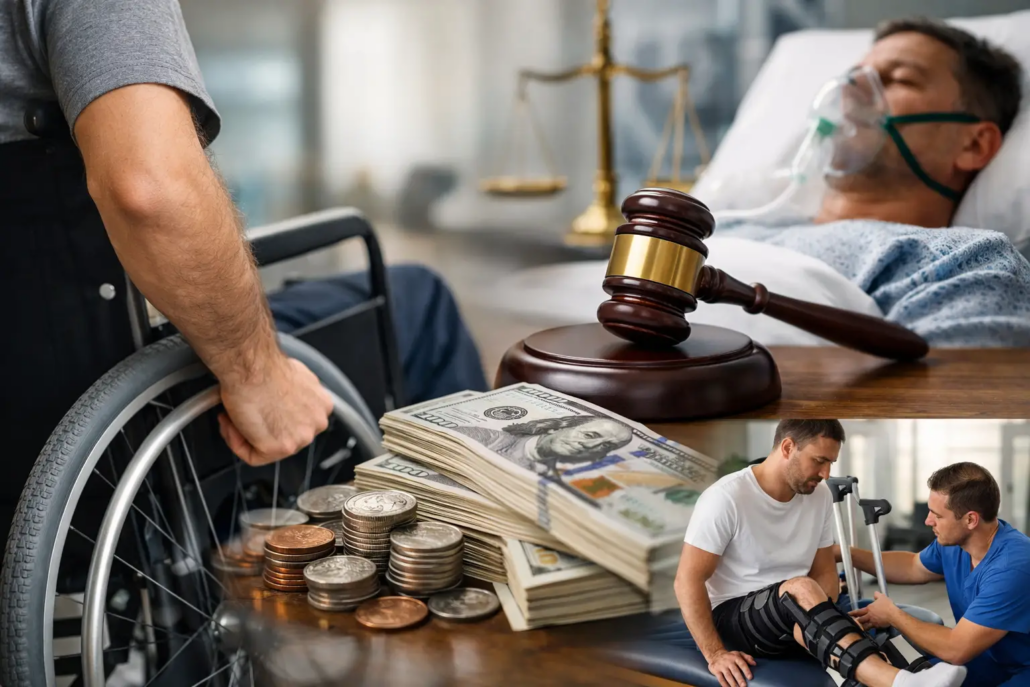
What Catastrophic Injury Verdicts Can Cover
A spinal cord injury, severe brain trauma, amputation, or devastating burn can change a family’s future in a single moment. The medical crisis may be immediate, but the financial and personal consequences can last decades. Catastrophic injury verdicts are designed to address that full reality: not just the ambulance ride or first surgery, but the care, income, independence, and human losses that follow.
For injured people and families in Chicago and throughout Illinois, understanding what a verdict may include can bring needed clarity during an overwhelming time. No lawyer can promise a particular outcome. But a carefully prepared case can make sure the harm is seen in its full scope and that the people or institutions responsible are held accountable.
What Makes an Injury Catastrophic?
A catastrophic injury is generally one that causes permanent disability, long-term impairment, or a profound loss of bodily function. These cases often involve traumatic brain injuries, spinal cord damage and paralysis, loss of a limb, severe burns, permanent scarring or disfigurement, organ damage, and injuries that permanently affect a person’s ability to work or live independently.
The label is not based on the size of a medical bill alone. It reflects how deeply an injury changes a person’s daily life. A person may need help getting dressed, preparing meals, attending appointments, managing pain, or caring for children. A parent who once provided for the household may no longer be able to return to the same job. A young adult may face a future that looks entirely different from the one they expected.
These injuries can result from truck crashes, dangerous property conditions, defective products, medical negligence, nursing home abuse, construction accidents, police misconduct, and other acts of negligence or wrongdoing. Each case turns on its own evidence, but the stakes are consistently high.
What Catastrophic Injury Verdicts Are Meant to Address
A civil verdict is not a prize and cannot restore a person’s health. It is a legal measure of damages – the financial compensation a jury may award when the evidence shows that another party caused harm. In a catastrophic injury case, damages must account for needs that may continue for the rest of the injured person’s life.
Medical care now and in the future
Past medical expenses are often only the beginning. A serious injury may require future surgeries, physical therapy, occupational therapy, rehabilitation, medication, pain management, specialist visits, medical equipment, mobility aids, home health care, and mental health support.
A strong case does not guess at these costs. Attorneys may work with treating physicians, life-care planners, rehabilitation specialists, and economists to document the likely cost of future care. This matters because an insurer may focus narrowly on bills already paid, while the injured person and family are living with what still lies ahead.
Lost earnings and diminished earning capacity
If an injury prevents someone from returning to work, compensation may include lost wages and benefits. When a person can work only in a reduced role, needs frequent medical leave, or cannot pursue the career path they reasonably would have had, the loss may extend far beyond a current paycheck.
Calculating lost earning capacity requires more than multiplying an annual salary. Age, education, work history, job skills, expected career advancement, benefits, and the practical impact of the disability all matter. For a child or young adult with no established income history, this part of the case can be especially complex.
Pain, suffering, and loss of normal life
Some of the most serious consequences of a catastrophic injury cannot be captured by receipts. Chronic pain, anxiety, depression, loss of mobility, cognitive changes, disfigurement, inability to participate in family life, and the loss of hobbies or independence are real harms.
Illinois law allows injured people to seek damages for pain and suffering and loss of a normal life when supported by the evidence. Jurors may hear from the injured person, family members, medical professionals, coworkers, and others who can explain what daily life was like before the incident and what has changed since.
The goal is not to reduce someone’s dignity to a number. It is to give a jury an honest, evidence-based picture of the human cost of a preventable injury.
Household and family impact
A catastrophic injury often affects an entire household. Family members may become caregivers, reduce their own work hours, modify a home, arrange transportation, or take on responsibilities the injured person once handled. Spouses may lose companionship, support, and the shared life they had planned.
Depending on the facts and legal claims involved, these losses may be part of the damages presented in a case. They should never be treated as an afterthought. The burden carried by families is often one of the clearest indicators of how serious an injury truly is.
Why Verdicts Can Vary So Widely
People often see a headline about a large verdict and wonder why another serious case resolved for less. The answer is that catastrophic injury verdicts depend on far more than the severity of the injury.
Liability is critical. A case may involve powerful evidence that a truck driver was fatigued, a property owner ignored a known danger, a hospital failed to meet the standard of care, or a company sold an unsafe product. But defendants and insurers frequently dispute fault. They may argue that the injured person contributed to the incident, that another party was responsible, or that the injury was not caused by the event in question.
The evidence also matters. Photographs, surveillance video, electronic data, incident reports, medical records, witness testimony, expert analysis, and preserved physical evidence can shape a case. In truck accident litigation, for example, electronic logging data and maintenance records may reveal information that would otherwise disappear. In medical malpractice cases, the medical timeline and qualified expert testimony are often central.
Finally, the individual impact must be clearly demonstrated. Two people can have the same diagnosis but very different needs, careers, family responsibilities, recoveries, and limitations. A serious legal case must tell the truth about the individual person, not rely on a diagnosis alone.
The Role of Trial Preparation
Most personal injury cases do not end in a jury verdict. Many resolve through settlement. Still, meaningful settlement negotiations often require the defense to understand that the injured person is prepared to take the case to trial if a fair resolution is not offered.
Trial preparation begins early. It includes investigating the incident, identifying every potentially responsible party, preserving evidence, reviewing medical records, consulting experts, and documenting losses as they develop. It also means preparing a case in a way that a jury can understand without minimizing the medical, financial, and emotional stakes.
There is a trade-off. Trials can take time, involve uncertainty, and require clients to revisit painful events. A settlement may provide earlier certainty, but it must be evaluated against the future needs of the injured person and the strength of the evidence. The right path depends on the circumstances, not on a one-size-fits-all formula.
Questions Families Should Ask After a Life-Changing Injury
After a catastrophic accident, insurance representatives may move quickly. Their job is to protect the insurer’s financial interests, and an early offer may not reflect the cost of lifelong care. Before signing paperwork or giving a recorded statement, families should understand their options.
Ask whether all responsible parties have been identified, whether key evidence has been preserved, and whether future medical needs have been evaluated. Ask how a proposed resolution accounts for lost income, caregiving demands, home modifications, and the injury’s effect on daily life. Direct answers matter when your family’s future is at stake.
At Dinizulu Law Group, Ltd, clients are treated as people first – not case numbers or settlement statistics. A serious injury demands serious advocacy, clear communication, and respect for the dignity of every person harmed.
When negligence, abuse, or misconduct has changed your life, the next step does not have to be taken alone. Speaking with an experienced catastrophic injury attorney can help you protect evidence, understand the value of your claim, and pursue accountability with the care your family deserves.


Leave a Reply
Want to join the discussion?Feel free to contribute!