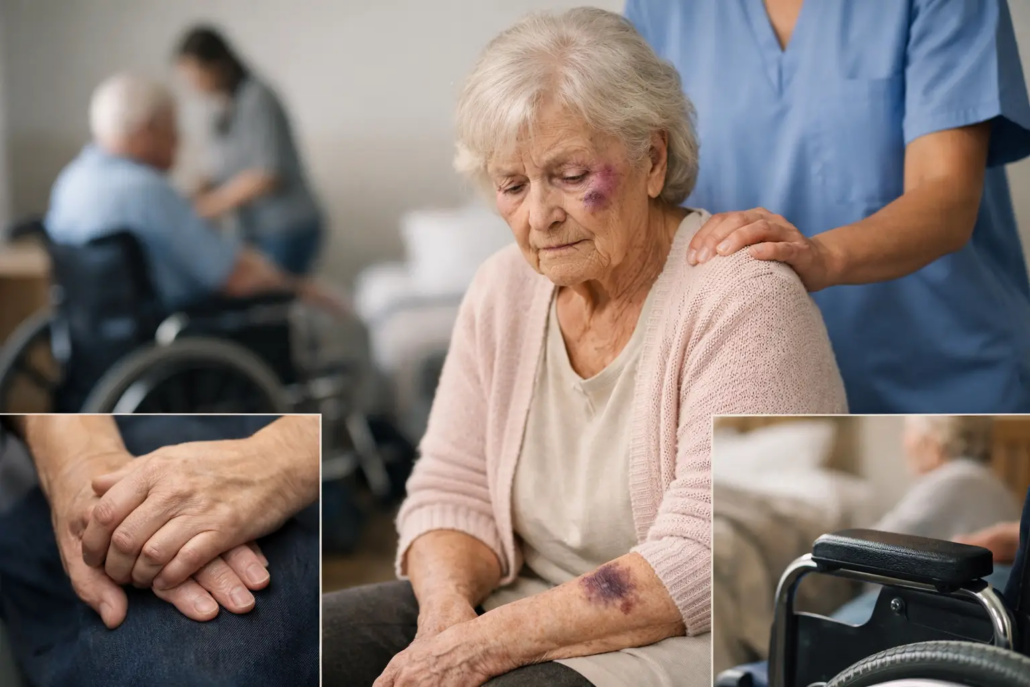
Top Nursing Home Abuse Warning Signs to Watch
A sudden bruise, a missed call, or a loved one who grows quiet around certain staff members can be easy to explain away. But the top nursing home abuse warning signs are often subtle at first. Families should not have to choose between trusting a facility and trusting their own instincts when something feels wrong.
Older adults deserve care that protects their health, comfort, independence, and dignity. When a nursing home cuts corners, ignores a resident’s needs, or allows mistreatment to continue, the consequences can be devastating. Paying close attention and acting promptly can help protect your loved one and preserve information that may later be difficult to obtain.
Why Warning Signs Deserve a Closer Look
Not every injury or change in behavior proves abuse. Many nursing home residents are medically fragile, may bruise easily, or may experience confusion related to dementia, medication, or illness. A facility may offer a reasonable explanation for an isolated concern.
The concern becomes more serious when explanations are vague, records do not match what you observe, staff members become defensive, or a pattern develops. Abuse and neglect are not always intentional acts of violence. They can also involve inadequate supervision, missed medication, poor hygiene, malnutrition, preventable falls, pressure injuries, or a failure to respond when a resident asks for help.
A resident with memory loss is still entitled to be heard. Confusion does not make an unexplained injury or fearful behavior less meaningful. It means family members and facility leaders have an even greater responsibility to investigate carefully.
Top Nursing Home Abuse Warning Signs Families Should Know
Unexplained injuries or repeated falls
Bruises, cuts, fractures, burns, sprains, and black eyes deserve attention, especially when they appear without a clear explanation. Pay close attention to injuries on the wrists, upper arms, neck, face, or inner thighs. These locations can sometimes suggest rough handling, restraint, or assault.
Falls are common among older adults, but they are not always unavoidable. Repeated falls may point to inadequate supervision, unsafe transfers, poor care planning, missing mobility aids, or understaffing. Ask when and where the fall occurred, who witnessed it, what assessment was performed, and what steps the facility is taking to prevent another incident.
Bedsores and signs of poor hygiene
Pressure injuries, also called bedsores or pressure ulcers, can develop when a resident is left in one position too long without proper repositioning, skin checks, nutrition, or moisture management. A severe bedsore can become infected and lead to hospitalization, sepsis, or worse.
Other warning signs include dirty clothing or bedding, unwashed hair, strong body odor, overgrown nails, soiled briefs, or a room that appears consistently unclean. These conditions may indicate that a resident’s basic needs are not being met. They may also signal that staff members are stretched too thin to provide safe care.
Weight loss, dehydration, or medication concerns
Noticeable weight loss, dry lips, dizziness, weakness, frequent urinary tract infections, or sudden confusion may be signs of dehydration or malnutrition. Some residents have legitimate medical reasons for appetite or weight changes, but those changes should be assessed, documented, and addressed by the care team.
Medication mistakes can also cause serious harm. Watch for pills left at the bedside, unexplained sleepiness, drastic mood changes, missed doses, or a resident who says they are not receiving medication as prescribed. Chemical restraint – using medication primarily to control behavior rather than meet a genuine medical need – is another concern that requires immediate attention.
Fear, withdrawal, and changes in behavior
A resident may not be able or willing to say they are being abused. Instead, they may become withdrawn, anxious, depressed, unusually agitated, or fearful when a particular employee enters the room. They may stop making eye contact, resist being touched, have trouble sleeping, or suddenly ask family not to leave.
These changes can have many causes, including illness and cognitive decline. Still, they should never be dismissed. Visit at different times of day, speak privately with your loved one when possible, and calmly ask open-ended questions such as, “Do you feel safe here?” and “Is there anyone who makes you uncomfortable?”
Sudden financial activity or missing belongings
Financial exploitation can occur in nursing homes and assisted living facilities. Warning signs include missing jewelry or personal items, unexplained withdrawals, new credit accounts, changed banking information, or pressure to sign documents that the resident does not understand.
Family members should review financial activity with the resident’s permission and safeguard checkbooks, cards, valuables, and account information. If a staff member, resident, visitor, or facility representative appears to be seeking money or gifts, take that concern seriously.
Sexual abuse indicators
Sexual abuse can affect residents of any gender, ability, or background. Physical signs may include unexplained genital injuries, torn or bloody undergarments, sexually transmitted infections, or difficulty walking or sitting. Emotional signs may include panic, shame, sudden fear of bathing or toileting, and a sharp behavioral change around a particular person.
If sexual abuse is suspected, prioritize the resident’s immediate safety. Seek emergency medical care when needed, avoid bathing or changing clothing if possible because it may preserve evidence, and report the concern to law enforcement. A facility’s internal review is not a substitute for an outside investigation.
What Neglect Can Look Like in a Nursing Home
Neglect is often less visible than physical abuse, yet it can be just as dangerous. It may look like unanswered call lights, long waits for help getting to the bathroom, missed meals, ignored pain complaints, or residents left alone without appropriate supervision.
Understaffing is frequently part of the problem. A nursing home may have caring individual employees who are assigned too many residents, work excessive shifts, or lack proper training. That reality can help explain how harm occurred, but it does not excuse a facility from its duty to provide adequate care. Nursing homes must protect residents, hire and train qualified staff, and respond to foreseeable risks.
Family members should also watch for changes in the environment. Are call lights ringing for long periods? Are residents left in hallways or common areas without attention? Does the facility seem short-staffed on evenings, weekends, or holidays? Patterns observed over several visits can provide critical context.
What to Do When You See a Warning Sign
First, make sure your loved one is safe. If there is an immediate risk of harm, call 911 or seek emergency medical care. If you believe a staff member may be responsible, ask that person be kept away from your loved one while the concern is investigated.
Then document what you see. Take dated photographs of visible injuries or unsanitary conditions when appropriate. Write down the time, location, names of staff members present, what your loved one said, and how the facility responded. Keep copies of bills, medical records, care plans, incident reports, and communications with the nursing home.
Raise the issue with the facility administrator or director of nursing in writing, not only in a hallway conversation. Ask direct questions and request a written explanation. In Illinois, families can also report concerns to the Illinois Department of Public Health, which oversees nursing home complaints and investigations. For suspected abuse, neglect, or exploitation, reporting to the appropriate state adult protective services agency or law enforcement may also be necessary.
Do not let a facility pressure you into accepting a quick explanation, signing paperwork you do not understand, or moving your loved one before you have documented the condition and obtained needed medical care. Moving may be the right decision for safety, but it can also make records and witnesses harder to access. The right approach depends on the urgency of the risk.
Protecting Your Loved One’s Right to Dignity
Families often feel guilt after discovering possible abuse or neglect. That guilt belongs with the people and institutions that failed a resident, not with the family members who trusted professionals to provide safe care. Nursing home residents have the right to respectful treatment, appropriate medical care, freedom from abuse, and a voice in decisions affecting their lives.
A legal investigation can help identify whether a facility ignored prior complaints, failed to staff adequately, concealed incidents, or violated a resident’s care plan. It can also preserve evidence, pursue accountability, and seek compensation for medical expenses, pain, suffering, and other losses. Dinizulu Law Group approaches these cases with the seriousness they demand and the compassion families deserve.
When your loved one cannot speak up alone, your careful attention can become their protection. Trust what you observe, ask the hard questions, and act before a troubling pattern becomes a preventable tragedy.


