Archive for category: Blog

How to Prove Fault in a Multi-Vehicle Crash in Illinois

Multi-vehicle crashes can be incredibly complex, involving several drivers, vehicles and potentially conflicting accounts of what happened. If you’ve been involved in a multi-car accident in Illinois, determining who is at fault is crucial to pursuing compensation for your injuries and damages.

At the Dinizulu Law Group, we understand the challenges of multi-vehicle crash cases. Proving fault is often not as straightforward as in two-car collisions, but with the right approach and evidence, you can build a strong case.

Here’s what you need to know about proving fault in a multi-vehicle crash in Illinois.

Understanding Fault in Illinois

Illinois follows a comparative negligence rule, which means that fault can be divided among multiple parties based on their level of responsibility for the accident. Even if you were partly at fault, you may still recover damages, but your compensation will be reduced by your percentage of fault.

In a multi-vehicle crash, multiple drivers—or even other parties like trucking companies — can share fault. The goal is to prove who caused or contributed to the accident and to what degree.

Steps to Prove Fault in a Multi-Vehicle Crash

1. Gather Evidence at the Scene

The first step after a multi-vehicle accident is to collect as much evidence as possible. This includes:

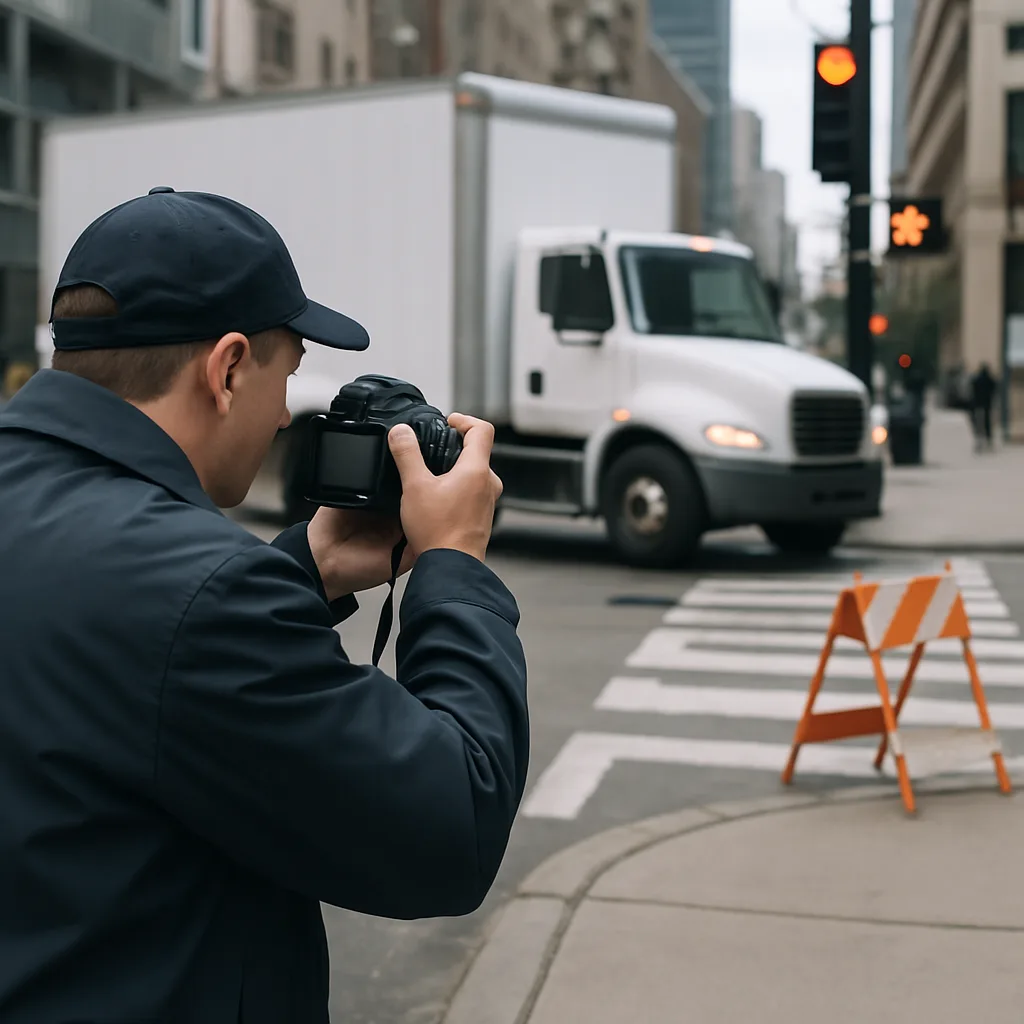
  • Photographs of all vehicles involved, showing damages and their final positions

  • Photos of the accident scene, road conditions, skid marks, traffic signals and signage

  • Contact information of all drivers, passengers and witnesses

  • Police report detailing the officers’ observations and any citations issued

This evidence can help reconstruct the accident and identify which driver’s actions led to the crash.

2. Review the Police Report

Police officers investigate multi-vehicle crashes and write a report summarizing their findings. The report may include:

  • Statements from drivers and witnesses

  • Diagrams of the accident scene

  • Officers’ opinions on fault or citations given

While not definitive, the police report is an important piece of evidence that can support your case.

3. Identify Traffic Violations or Negligence

Fault often comes down to whether a driver violated traffic laws or acted negligently. Common causes in multi-vehicle crashes include:

  • Tailgating or following too closely

  • Running a red light or stop sign

  • Unsafe lane changes or improper merging

  • Distracted or impaired driving

  • Speeding

If you can prove another driver committed one or more of these actions, it supports your claim that they were at fault.

4. Use Expert Analysis

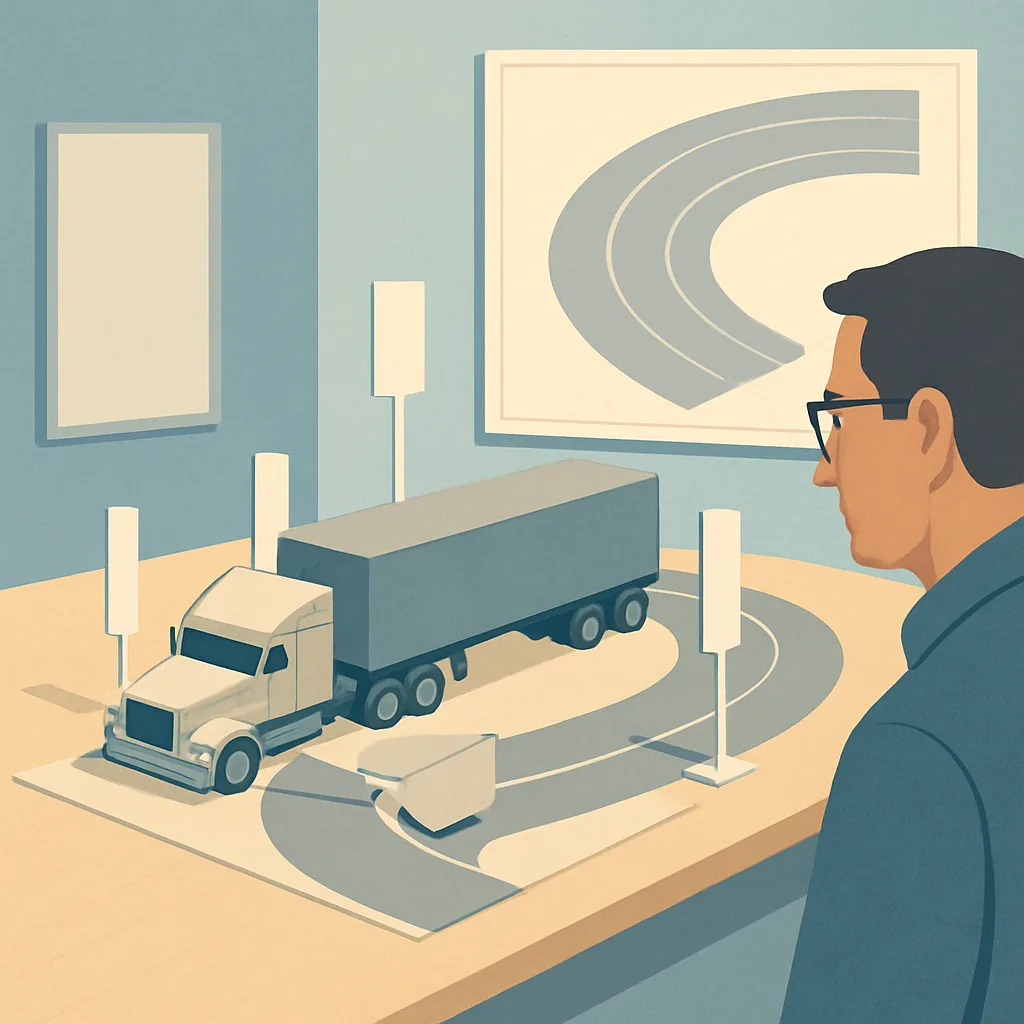
Multi-vehicle accidents can be complicated, and sometimes the cause isn’t clear from the surface. Accident reconstruction experts can analyze the evidence, such as vehicle damage patterns, skid marks and timing, to piece together how the crash occurred.

An expert’s testimony can be crucial in proving fault, especially when multiple parties blame each other.

5. Consider Liability Beyond Drivers

In some multi-vehicle crashes, liability extends beyond just the drivers. For example, if a commercial truck was involved, the trucking company or maintenance provider may bear some responsibility. Similarly, a vehicle manufacturer could be liable if a defect contributed to the accident.

Your attorney can investigate these possibilities to ensure all responsible parties are held accountable.

Why Proving Fault Matters

Establishing fault is essential for recovering damages in a personal injury or property damage claim. The more clearly you can prove who caused the accident, the stronger your case will be when negotiating with insurance companies or pursuing a lawsuit.

Fault also affects how damages are calculated, including compensation for medical bills, lost wages, pain and suffering, and vehicle repairs.

How the Dinizulu Law Group Can Help

Multi-vehicle crash cases require careful investigation and a deep understanding of Illinois traffic laws and comparative negligence principles. At the Dinizulu Law Group, we guide you through the complex process, gather the necessary evidence, work with experts and fight to protect your rights.

If you’ve been in a multi-vehicle accident and want to know your options, call the Dinizulu Law Group at (312) 384-1920 for a free consultation. We’re here to help you get the compensation you deserve.

How Civil Rights Violations Show Up in Police Misconduct Cases

Police officers play a critical role in keeping communities safe, but when they abuse their power or violate individuals’ civil rights, the consequences can be devastating. Police misconduct is a serious issue that can involve physical harm, emotional trauma and long-lasting distrust in the justice system.

At the Dinizulu Law Group, we help victims of police misconduct understand their rights and pursue justice. A key part of these cases often involves civil rights violations — actions by law enforcement that breach the constitutional protections guaranteed to every person.

If you or a loved one has experienced police misconduct, it’s important to recognize how civil rights violations may be at the heart of the issue. Here’s how these violations commonly appear in police misconduct cases.

What Are Civil Rights Violations?

Civil rights are the basic rights and freedoms guaranteed to all individuals under the U.S. Constitution and laws. These rights protect people from discrimination and ensure fair treatment by government officials, including the police.

When a police officer acts outside the boundaries of the law, violates policies or abuses their authority, they may be infringing on a person’s civil rights. This can happen in many forms and is often central to a police misconduct claim.

Common Civil Rights Violations in Police Misconduct Cases

1. Excessive Use of Force

One of the most frequent civil rights violations is the use of excessive or unnecessary force by police officers. While law enforcement is authorized to use force when necessary, it must be proportional and justified under the circumstances.

Excessive force can include physical assault, improper use of weapons like tasers or firearms, or restraining methods that cause injury or death. When officers use more force than legally permitted, they violate your constitutional right to be free from unreasonable searches and seizures under the Fourth Amendment.

2. Unlawful Arrest or Detention

Police officers must have probable cause to arrest or detain someone. Arresting or holding a person without proper legal justification violates the Fourth Amendment and can be a civil rights violation.

Unlawful arrest may also include arresting someone based on discrimination or without following proper procedures, such as not reading Miranda rights or holding a person longer than allowed without charges.

3. Discrimination and Profiling

Civil rights laws protect individuals from discrimination based on race, ethnicity, religion, gender, sexual orientation, or disability. Unfortunately, police misconduct often involves racial profiling or targeting individuals unfairly based on bias.

Discriminatory policing violates the Fourteenth Amendment’s Equal Protection Clause, which guarantees that everyone receives equal treatment under the law.

4. Violation of First Amendment Rights

The First Amendment protects freedoms such as speech, assembly and protest. Police officers who unlawfully interfere with these rights — for example, by using excessive force on peaceful protesters or arresting someone for lawful speech — commit civil rights violations.

Why It Matters

Civil rights violations in police misconduct cases are not just about punishment — they are about holding officers accountable and protecting the rights of all individuals. These violations can lead to serious physical injuries, emotional trauma and a breakdown of trust between communities and law enforcement.

If you or someone you care about has been subjected to police misconduct, you have legal rights and options.

What To Do If You Suspect Police Misconduct

  • Document everything: Write down details of the incident, including officer names, badge numbers and any witnesses.

  • Seek medical attention: Get immediate care for any injuries.

  • File a complaint: Report the misconduct with the police department’s internal affairs or civilian oversight board.

  • Consult an attorney: Speak with a civil rights attorney who can review your case and advise on next steps.

How the Dinizulu Law Group Can Help

At the Dinizulu Law Group, we are dedicated to fighting police misconduct and civil rights violations in Illinois. We understand the emotional and legal complexities of these cases and work tirelessly to protect your rights and pursue justice.

If you believe your civil rights have been violated by police misconduct, contact the Dinizulu Law Group today at (312) 384-1920 for a free consultation. We’re here to help you stand up for your rights.

What to Do If You Suspect Medical Malpractice After Surgery

Surgery always carries some risk, but when something goes wrong due to negligence — not natural complications — you may be the victim of medical malpractice. Surgical errors can lead to serious, even life-threatening, consequences. Unfortunately, many patients don’t know what to do next or whether they even have a case.

At the Dinizulu Law Group, we help victims of medical negligence across Illinois understand their rights and hold providers accountable. If you believe something went wrong during or after surgery, here’s what you need to know — and what steps to take next.

Recognizing the Signs of Surgical Malpractice

Not every negative outcome after surgery is the result of malpractice. But if your recovery feels worse than expected — or if complications were ignored or made worse by your care team — it’s important to take a closer look.

Common signs of malpractice after surgery include:

  • Unexplained infections or worsening conditions

  • A surgical object (like a sponge or tool) left inside the body

  • Wrong-site surgery

  • Excessive pain that isn’t addressed

  • Delayed diagnosis of complications like internal bleeding or organ damage

If you’ve experienced any of the above or your doctor is avoiding your questions, it may be time to investigate further.

Step 1: Seek Immediate Medical Attention

Your health comes first. If you’re in pain or something doesn’t feel right, get a second opinion right away. It’s important not only for your safety but also for documenting complications. Make sure any new medical providers understand your full surgical history so they can accurately assess your condition.

Step 2: Document Everything

Keep a detailed record of everything—from the original surgery to your follow-up visits and ongoing symptoms. Include:

  • Names of surgeons, hospitals and providers involved

  • Dates of treatment and hospital stays

  • Prescriptions or aftercare instructions you were given

  • Photos of incisions, wounds or physical symptoms

  • Any written communication from medical staff

The more detailed your records, the easier it is for a legal team to evaluate whether malpractice occurred.

Step 3: Don’t Sign Anything Without Legal Advice

Sometimes, healthcare providers or their insurance companies may approach you with a settlement or release form. Don’t sign anything before speaking to a medical malpractice attorney. These documents can limit your right to pursue legal action, even if you later discover serious harm.

Step 4: Speak to a Medical Malpractice Attorney

Medical malpractice cases in Illinois are complex. You need a legal team that understands not only the law but also the medical details of your case. An experienced attorney can help:

  • Review your medical records

  • Consult with expert witnesses

  • Identify whether your standard of care was breached

  • Determine your eligibility for damages

Illinois has strict deadlines for filing malpractice claims — known as the statute of limitations — so don’t wait too long to get legal advice.

You’re Not Alone — We Can Help

Discovering that your injury or suffering could have been avoided is heartbreaking. At the Dinizulu Law Group, we’re committed to holding negligent medical providers accountable and fighting for justice on behalf of patients like you.

If you suspect malpractice after a surgery, let us help you understand your legal options and protect your future.

Call the Dinizulu Law Group today at (312) 384-1920 for a free consultation. We’ll help you get the answers — and the justice — you deserve.

5 Signs Your Loved One May Be Neglected in a Nursing Home

When you entrust a nursing home to care for your loved one, you expect compassion, safety, and professional medical attention. Unfortunately, nursing home neglect is more common than many realize — and it often goes unnoticed until serious harm has occurred.

Neglect isn’t always easy to spot, especially when residents are unable or afraid to speak up. That’s why it’s important to recognize the warning signs. At the Dinizulu Law Group, we’ve represented many families who discovered too late that something was wrong. Below are five red flags that may indicate your loved one is being neglected.

1. Unexplained Injuries or Falls

Falls happen, especially among elderly individuals — but frequent or unexplained injuries like bruises, cuts or fractures should raise concern. A well-run nursing facility is responsible for supervising residents and preventing avoidable accidents.

If your loved one reports falling or seems to be suffering from repeated injuries without clear explanations, it could be a sign that staff are not providing proper monitoring or assistance with mobility.

2. Poor Personal Hygiene

One of the most visible signs of neglect is a sudden decline in personal hygiene. Nursing home staff are responsible for helping residents with daily tasks like bathing, brushing their teeth, changing clothes and grooming.

Suppose your loved one appears unkempt, smells of body odor or urine, or wears the same clothes for multiple days. In that case, it may indicate that the facility is understaffed or not fulfilling basic caregiving responsibilities.

3. Weight Loss or Signs of Dehydration

Nutrition and hydration are critical to an elderly person’s health. Significant or sudden weight loss, dry skin, confusion or cracked lips can all be signs of malnutrition or dehydration.

Neglect in this area may occur when staff forget or fail to assist residents with eating and drinking, especially those who need help due to dementia, physical disability or illness. In more serious cases, staff may withhold food or water as punishment or due to poor oversight.

4. Changes in Mood or Behavior

Emotional withdrawal, anxiety, depression, or sudden outbursts can all be signs that your loved one is experiencing neglect — or worse. Many residents don’t feel comfortable speaking up or may be afraid of retaliation from staff.

Pay close attention to emotional cues, especially if your loved one becomes fearful of specific caregivers or expresses a desire not to return to the facility. These changes are often some of the earliest signs that something isn’t right.

5. Unsanitary Living Conditions

Nursing homes are required to maintain a clean and safe environment for residents. If you notice dirty bathrooms, unwashed linens, strong odors, pests or cluttered hallways during visits, these could be warning signs of systemic neglect.

A poorly maintained facility often reflects poor management and can directly contribute to health risks for residents.

What You Can Do

If you suspect nursing home neglect, trust your instincts. Start documenting what you see—photos, dates, medical records, and any conversations with staff or your loved one. Report your concerns to the facility administrator, and if necessary, file a complaint with the Illinois Department of Public Health (IDPH).

Most importantly, consult an experienced nursing home neglect attorney. At the Dinizulu Law Group, we help families hold negligent facilities accountable and fight for justice on behalf of their loved ones.

Concerned About a Nursing Home’s Care?

Call the Dinizulu Law Group today at (312) 384-1920 for a free consultation. Your loved one deserves safety, dignity and respect.

Who’s Responsible in a Rideshare Accident in Illinois?

Rideshare services like Uber and Lyft offer convenience and accessibility, but what happens if you’re injured in an accident while using one? Whether you’re a passenger, pedestrian or another driver, figuring out who’s responsible for a rideshare accident in Illinois can be confusing. The laws around liability are more complex than in a standard car crash.

At the Dinizulu Law Group, we help victims of negligence navigate the complicated insurance and legal issues that come with rideshare accidents. Here’s what you need to know about determining responsibility and protecting your rights.

Rideshare Accidents Are Different

Unlike traditional taxi services, Uber and Lyft drivers are not considered employees. They’re classified as independent contractors, which means the company often tries to distance itself from responsibility when an accident occurs.

However, both companies are required by Illinois law to carry specific insurance policies that apply under certain circumstances. The key to understanding liability is knowing what the driver was doing at the time of the crash.

Three Key Scenarios That Affect Liability

  1. The Rideshare Driver Was Not Logged Into the App
    If the driver wasn’t logged in or available for ride requests, their personal auto insurance is the only coverage that applies. Uber and Lyft are not involved.
  2. The Driver Was Logged In but Hadn’t Accepted a Ride
    When the driver is online but hasn’t accepted a ride yet, the rideshare company provides limited third-party liability coverage:

    • Up to $50,000 for injury per person
    • Up to $100,000 total per accident
    • Up to $25,000 for property damage
  3. The Driver Was En Route to Pick Up a Passenger or Had One in the Vehicle
    This is when the rideshare company’s $1 million insurance policy kicks in. It covers:

    • Injuries to passengers
    • Injuries to other drivers, pedestrians or cyclists
    • Property damage

This coverage is available regardless of who was at fault, which makes it a critical piece of any claim involving an active rideshare trip.

Who Can Be Held Liable?

Depending on the situation, several parties could be legally responsible:

  • The Rideshare Driver: If the accident was caused by their negligence, like speeding, distracted driving or running a red light, they can be held liable personally and through the rideshare company’s policy.

  • Another Driver: If a third-party driver caused the crash, their insurance would be primarily responsible.

  • Uber or Lyft (Indirectly): While rideshare companies often deny direct liability due to the contractor relationship, their insurance still plays a major role, especially during active trips.

  • Vehicle Manufacturers or Government Entities: In rare cases, a defect in the car or poorly maintained roads might contribute to a crash, adding additional parties to a lawsuit.

What Should You Do After a Rideshare Crash?

Whether you were a passenger or another motorist, here’s what you should do after an accident involving a rideshare vehicle:

  1. Seek medical attention immediately, even for minor injuries.

  2. Call the police and get an official report.

  3. Take photos of the scene, vehicles, and any visible injuries.

  4. Get contact info for all drivers and witnesses.

  5. Document the app details — including ride status and driver info.

  6. Speak with a personal injury attorney before talking to insurers.

Why Legal Help Matters

Rideshare accident claims often involve multiple insurance companies, complicated coverage rules and big legal teams. You don’t have to handle it alone. An experienced personal injury attorney can help gather evidence, negotiate with insurers and pursue full compensation for:

  • Medical expenses

  • Lost income

  • Pain and suffering

  • Future treatment and rehabilitation

At the Dinizulu Law Group, we know how to hold all responsible parties accountable and fight for the justice you deserve.

Contact Us

If you’ve been injured in a rideshare accident in Illinois, don’t wait. Contact the Dinizulu Law Group today at (312) 384-1920 to schedule a free consultation and learn how we can help you move forward with confidence.

Falls in Nursing Homes: When Is It Grounds for a Lawsuit?

Falls are one of the most common and serious risks faced by nursing home residents. For elderly or frail individuals, a fall can lead to broken bones, head injuries, loss of independence, or even death. While some falls may be unavoidable due to health conditions, others happen because of negligence or poor care at the nursing home.

If your loved one has fallen in a nursing home in Illinois, you may be wondering if the injury could be grounds for a lawsuit. At the Dinizulu Law Group, we understand how devastating these incidents can be and are here to help you determine when a fall is caused by nursing home negligence and what legal options you have.

Why Are Falls So Common in Nursing Homes?

Residents in nursing homes often have physical or cognitive impairments that increase their risk of falling. Many suffer from conditions like arthritis, dementia or muscle weakness, which affect balance and coordination. Medications prescribed to manage these conditions can also cause dizziness or confusion.

Despite these challenges, nursing homes have a legal responsibility to provide a safe environment and take reasonable steps to prevent falls.

When Is a Fall the Nursing Home’s Fault?

Not every fall in a nursing home is automatically negligence. However, a fall may be grounds for a lawsuit if it resulted from the facility’s failure to meet its duty of care. Some common examples include:

  • Lack of Proper Supervision: Residents who need assistance with walking or transferring should be supervised or helped by staff. If a resident falls because no one was monitoring or assisting when required, the nursing home may be liable.

  • Unsafe Environment: Hazards such as wet floors, poor lighting, uneven surfaces, cluttered hallways or faulty equipment can cause falls. If the nursing home failed to address these dangers, it could be responsible.

  • Failure to Assess and Prevent Risk: Nursing homes are required to assess each resident’s fall risk and implement personalized prevention plans. Ignoring known risk factors or failing to update care plans can lead to preventable falls.

  • Improper Use of Restraints or Mobility Aids: Misusing devices or restraints can increase fall risks or cause injuries during a fall.

  • Inadequate Staff Training: Staff who aren’t properly trained to assist residents or respond to fall risks may contribute to accidents.

Signs a Fall May Be Due to Negligence

If your loved one experiences a fall, watch for signs that the nursing home may have been negligent, including:

  • The nursing home delayed or refused to provide medical treatment after the fall.

  • The fall resulted in a serious injury that could have been prevented.

  • There were previous warnings or reports about hazards or staffing issues that were ignored.

  • The facility has a pattern of frequent falls or safety violations.

What Should You Do After a Fall?

If your loved one has fallen in a nursing home, it’s important to act quickly:

  1. Seek Immediate Medical Attention: Ensure your loved one gets the necessary care for any injuries.

  2. Document Everything: Take notes, photos of the injury and environment, and keep copies of medical reports.

  3. Request the Incident Report: Nursing homes are required to document falls — get a copy for your records.

  4. Report the Fall: Notify state agencies like the Illinois Department of Public Health if you suspect negligence.

  5. Consult an Experienced Attorney: A nursing home abuse lawyer can evaluate your case, explain your rights and guide you through the legal process.

When Is It Worth Filing a Lawsuit?

Not all falls lead to lawsuits, but you may have a case if the fall was caused by neglect or unsafe conditions, and your loved one suffered serious harm as a result. Compensation can cover medical bills, pain and suffering, rehabilitation costs and other damages.

Nursing homes should be held accountable for failing to protect vulnerable residents from preventable falls. Taking legal action can also help improve conditions for other residents.

How the Dinizulu Law Group Can Help

Navigating a nursing home fall lawsuit can be complicated. At the Dinizulu Law Group, we provide compassionate, knowledgeable legal support to families in Illinois. We thoroughly investigate each case to hold negligent facilities responsible and fight for the justice your loved one deserves.

If your loved one has fallen in a nursing home and you suspect negligence, don’t wait. Contact us today at (312) 384-1920 for a free, confidential consultation.

Delayed Diagnosis vs. Misdiagnosis: What’s the Difference in Medical Malpractice?

Medical malpractice claims often arise when a healthcare provider fails to provide the appropriate standard of care, resulting in harm to a patient. Among the most common types of medical errors are delayed diagnosis and misdiagnosis. While these terms are related and sometimes confused, they represent distinct problems with important legal implications.

At the Dinizulu Law Group, we help patients and families in Illinois understand their rights when medical professionals make critical mistakes. Here’s a closer look at the difference between delayed diagnosis and misdiagnosis — and why it matters for a medical malpractice case.

What Is Delayed Diagnosis?

A delayed diagnosis occurs when a healthcare provider takes too long to identify a patient’s medical condition, even though there were sufficient signs and symptoms to make the diagnosis earlier. The delay can cause the patient’s illness to worsen, leading to more severe health complications or death.

For example, if a doctor fails to order necessary tests or dismisses symptoms without proper investigation, and this leads to a diagnosis days, weeks, or months later than it should have been, that’s a delayed diagnosis.

What Is Misdiagnosis?

A misdiagnosis happens when a healthcare provider incorrectly identifies a patient’s condition. Instead of diagnosing the actual illness, the doctor may diagnose a different disease or condition, leading to wrong or ineffective treatment.

For instance, if a patient has cancer but the doctor mistakenly diagnoses it as an infection and prescribes antibiotics, that is a misdiagnosis. The wrong diagnosis can result in delayed treatment, worsening of the condition or unnecessary procedures.

Why Does the Difference Matter?

Both delayed diagnosis and misdiagnosis can cause serious harm, but the difference affects how a medical malpractice claim is handled.

  • Proving Negligence: For either claim, you must show that the healthcare provider breached the standard of care. However, delayed diagnosis often focuses on the timing of medical decisions, while misdiagnosis involves errors in clinical judgment or testing interpretation.

  • Causation of Harm: In both cases, it’s necessary to prove that the delay or incorrect diagnosis directly caused harm or worsened the patient’s condition.

  • Evidence Needed: Medical records, test results, expert testimony and timelines are critical to establishing whether the diagnosis was delayed or incorrect and how it impacted treatment.

Common Examples in Medical Malpractice Cases

  • Delayed Diagnosis: Failure to diagnose heart attacks, strokes, infections, cancer or diabetes in a timely manner.

  • Misdiagnosis: Confusing one disease for another, such as diagnosing rheumatoid arthritis instead of lupus or misreading imaging scans.

Both types of errors can have devastating consequences, including permanent disability, additional surgeries or even death.

What Should You Do if You Suspect Delayed Diagnosis or Misdiagnosis?

If you or a loved one suffered harm because of a delayed or incorrect diagnosis, it’s important to act quickly. Medical malpractice claims in Illinois have a statute of limitations, usually two years from the date of injury or discovery of the injury.

Consulting with an experienced medical malpractice attorney at the Dinizulu Law Group can help you understand your rights, gather the necessary evidence, and build a strong case to seek compensation for your injuries, medical bills, lost wages, and pain and suffering.

How the Dinizulu Law Group Can Help

Medical malpractice cases require deep knowledge of both medicine and the law. Our dedicated legal team has a proven track record of helping Illinois patients hold negligent healthcare providers accountable.

We offer free consultations to discuss your case, answer your questions and help you understand your legal options. Don’t wait — get the legal help you deserve by calling (312) 384-1920.

Understaffed Nursing Homes: A Hidden Cause of Abuse and Neglect

Nursing homes are meant to be safe havens where elderly and vulnerable individuals receive the care and respect they deserve. Unfortunately, many nursing homes struggle with one critical issue that often goes unnoticed: understaffing. When there aren’t enough caregivers on duty, residents can suffer from abuse and neglect — sometimes with devastating consequences.

At the Dinizulu Law Group, we’ve seen firsthand how understaffed nursing homes can put your loved ones at risk. Understanding the connection between staffing shortages and neglect is essential for protecting the rights and well-being of nursing home residents.

What Does Understaffing Look Like in Nursing Homes?

Understaffing means there are not enough qualified caregivers to properly meet the needs of all residents. This shortage can result from budget cuts, high employee turnover or poor management decisions.

When nursing homes operate with too few staff members, it becomes impossible to provide adequate supervision, assistance with daily activities and timely medical care. Residents may be left alone for hours, receive delayed help with eating or hygiene, or miss out on necessary medications.

How Understaffing Leads to Abuse and Neglect

When nursing homes don’t have enough staff, the risk of neglect and abuse rises significantly. Here are some ways understaffing contributes to these problems:

  • Delayed or Missed Care: Staff overwhelmed with too many residents can’t respond promptly to calls for help, resulting in untreated injuries, infections or dehydration.

  • Increased Risk of Falls and Injuries: Without proper supervision, residents are more likely to fall or injure themselves. Fewer staff also means less assistance with mobility or transfers.

  • Emotional and Verbal Abuse: Stressed, overworked employees may lash out verbally or emotionally at residents.

  • Physical Abuse: Though less common, physical abuse can occur, especially when staff members are stretched too thin and unable to manage residents properly.

  • Poor Hygiene and Living Conditions: Lack of staff means fewer baths, clean clothes or properly maintained rooms, contributing to discomfort and illness.

The Legal Duty of Nursing Homes

Nursing homes have a legal duty to provide adequate care and protect residents from harm. Understaffing that leads to neglect or abuse violates this duty and can be grounds for legal action.

The federal government and many states, including Illinois, set minimum staffing requirements for nursing homes. However, these standards are sometimes not met or are insufficient to meet residents’ needs.

Signs Your Loved One May Be Suffering Due to Understaffing

It’s important to recognize warning signs that your loved one may be a victim of neglect related to understaffing, such as:

  • Unexplained bruises, cuts, or bedsores

  • Sudden weight loss or dehydration

  • Poor personal hygiene

  • Frequent infections or untreated medical conditions

  • Withdrawal, depression, or anxiety

  • Complaints of being ignored or left alone for long periods

If you notice any of these signs, it’s crucial to investigate and take action quickly.

What You Can Do

If you suspect neglect or abuse due to understaffing, contact the nursing home administration to express your concerns and request an investigation. You can also report suspected abuse to the Illinois Department of Public Health or Adult Protective Services.

Most importantly, speak with an experienced nursing home abuse attorney at the Dinizulu Law Group. We can help you understand your legal options, protect your loved one’s rights and hold negligent facilities accountable.

Why Choose Dinizulu Law Group?

Nursing home abuse cases are emotionally difficult and legally complex. We offer compassionate, personalized support and aggressively pursue justice for victims and their families. Our team has extensive experience handling cases involving understaffing and neglect in Illinois nursing homes.

Contact Us Today

Don’t wait if you believe your loved one is suffering in an understaffed nursing home. Reach out to the Dinizulu Law Group for a free, confidential consultation and take the first step toward protecting your family. Get started today by calling (312) 384-1920.

Can You Sue a Trucking Company for a Driver’s Negligence in Illinois?

When a trucking accident happens, the damages can be severe — sometimes life-changing. If you’ve been injured in a crash involving a commercial truck, you might wonder: can you hold the trucking company responsible for the driver’s negligence? The answer is often yes, but it depends on several important factors.

At the Dinizulu Law Group, we help injured victims understand their rights and pursue the compensation they deserve. Here’s what you need to know about suing a trucking company for a driver’s negligence in Illinois.

Understanding Trucking Company Liability

Trucking companies are legally responsible for ensuring that their drivers operate safely and comply with federal and state regulations. This includes proper training, regular vehicle maintenance and adhering to hours-of-service rules designed to prevent driver fatigue.

When a truck driver causes an accident because of negligence — whether it’s distracted driving, speeding, driving under the influence or failing to follow safety protocols — the trucking company may also be held liable under a legal concept called vicarious liability. This means companies can be responsible for the actions of their employees performed within the scope of their work.

When Can You Sue the Trucking Company?

You can sue a trucking company if the driver was acting within the scope of their employment at the time of the accident. This means the driver was performing job duties related to the company, such as delivering goods or traveling between job sites.

Additionally, trucking companies can be held liable if they were negligent in hiring, training or supervising the driver. For example, if the company failed to check the driver’s record for prior violations or ignored safety regulations, they may share responsibility for the crash.

Common Causes of Trucking Accidents Involving Negligence

Truck crashes caused by negligence may result from:

  • Driver fatigue from exceeding legal driving hours

  • Distracted driving, such as texting or using a phone

  • Driving under the influence of alcohol or drugs

  • Improper vehicle maintenance leading to mechanical failure

  • Failure to obey traffic laws or signals

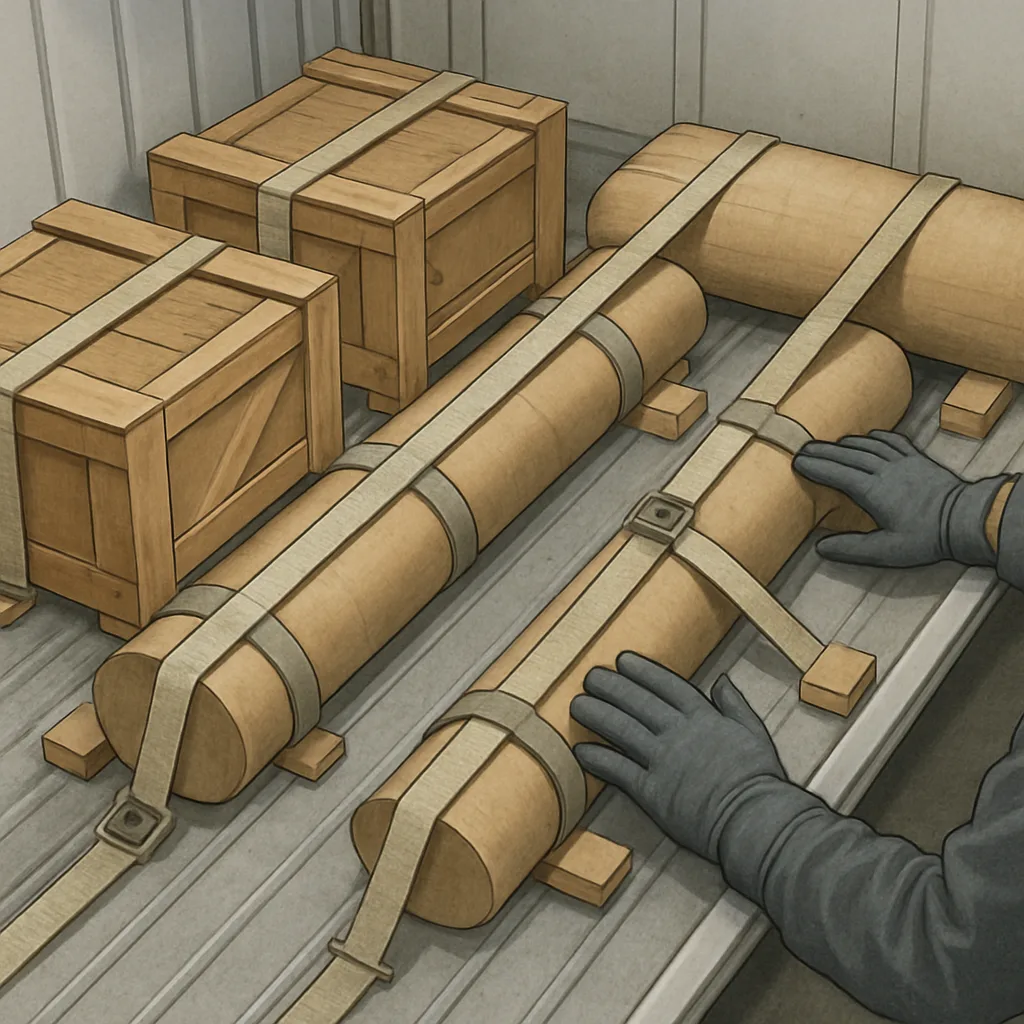
  • Poor load securing, causing shifting cargo and loss of control

Each of these factors can increase liability for both the driver and the trucking company.

What Evidence Is Needed to Prove Liability?

Proving a trucking company’s liability often requires thorough investigation and strong evidence, including:

  • The truck driver’s employment records and driving history

  • Maintenance logs for the truck

  • Black box or electronic logging device (ELD) data showing hours driven

  • Police and accident reports

  • Eyewitness testimony and video footage

  • Expert analysis on accident causes

At the Dinizulu Law Group, we work with accident reconstruction experts and investigators to gather and analyze the evidence needed to build a strong case.

Why You Need an Experienced Trucking Accident Lawyer

Trucking companies and their insurers have significant resources to defend claims. They often hire aggressive attorneys to minimize payouts or deny responsibility altogether.

Having an experienced trucking accident attorney on your side is critical. We understand the complex regulations governing commercial trucks and know how to navigate the legal system to hold trucking companies accountable. We fight for full compensation covering medical expenses, lost income, pain and suffering, and more.

Illinois Statute of Limitations

In Illinois, you generally have two years from the date of the accident to file a lawsuit for personal injuries. For wrongful death claims, the statute of limitations is also typically two years from the date of death.

Because these deadlines are strict, it’s important to contact an attorney promptly to preserve your rights.

Contact the Dinizulu Law Group for Help

If you or a loved one has been injured in a trucking accident in Illinois, don’t wait to seek legal advice. The team at the Dinizulu Law Group is here to help you understand your rights and fight for the justice and compensation you deserve. Call us today at (312) 384-1920 for a free, confidential consultation and to get started today.

Who’s Liable in a Multi-Vehicle Crash in Illinois?

Multi-vehicle crashes can be incredibly complex, involving several drivers, vehicles and sometimes even multiple insurance companies. If you’ve been involved in a multi-vehicle accident in Illinois, you might be wondering: who’s really responsible for the damages and injuries?

At the Dinizulu Law Group, we understand how confusing these cases can be. Determining liability in a multi-vehicle crash is critical to getting the compensation you deserve. Here’s what you need to know.

What Is a Multi-Vehicle Crash?

A multi-vehicle crash happens when three or more vehicles collide, either in a chain reaction or a series of impacts. These crashes often occur on busy highways, at intersections or in poor weather conditions. Due to the involvement of multiple parties, figuring out who caused the accident and who is responsible for damages can be tricky.

How Is Liability Determined?

In Illinois, liability is often based on comparative negligence. This means each driver involved in the accident can be assigned a percentage of fault based on their actions. For example, one driver might be 60% at fault while another might be 40% at fault. Your compensation is then adjusted according to your share of fault.

Insurance companies and attorneys investigate many factors to determine liability, including:

  • Which driver violated traffic laws (e.g., speeding, running a red light, distracted driving)

  • The sequence of events leading up to the crash

  • Vehicle positions and damage patterns

  • Eyewitness statements and police reports

  • Traffic camera footage or dashcam videos

Because multiple drivers are involved, liability can be split among several parties. Sometimes one driver is primarily responsible, while others share partial blame.

Common Causes of Multi-Vehicle Crashes

Many multi-vehicle crashes stem from chain-reaction collisions. This often happens when a driver suddenly brakes or loses control, causing the vehicles behind to crash into one another. Common causes include:

  • Tailgating (following too closely)

  • Distracted driving (texting, eating, etc.)

  • Speeding and reckless driving

  • Poor weather and road conditions

  • Sudden lane changes without signaling

Each driver’s role in causing or contributing to the crash will be closely examined.

What Happens After a Multi-Vehicle Crash?

If you’re involved in a multi-vehicle crash, your first priority should be safety. Move to a safe area if possible, call 911 for medical help if needed and report the accident to the police. Be sure to exchange contact and insurance information with all drivers involved.

Document as much as you can — take photos of the scene, vehicle damage and any injuries. Gather contact info for witnesses and get a copy of the police report. These details will be important when filing insurance claims or pursuing legal action.

Why You Need an Experienced Attorney

Multi-vehicle crashes often involve complex liability issues and multiple insurance companies. Insurance adjusters may try to minimize your claim or dispute fault percentages to reduce payouts.

At the Dinizulu Law Group, we have the expertise to thoroughly investigate your crash, gather crucial evidence and fight for your rights. We ensure that all responsible parties are held accountable and that you receive the compensation you deserve for medical bills, lost wages, pain and suffering, and more.

Time Limits to File a Claim in Illinois

Keep in mind that Illinois has a statute of limitations for personal injury claims — usually two years from the date of the accident. Missing this deadline can prevent you from recovering damages, so it’s important to act quickly.

Contact the Dinizulu Law Group for Help

If you’ve been injured in a multi-vehicle crash in Illinois, don’t try to navigate the legal complexities alone. The dedicated team at the Dinizulu Law Group is here to help you understand your rights and pursue the compensation you deserve. Contact us at (312) 384-1920 for a free, confidential consultation.

Translate »