Archive for category: Blog

The Most Common Medical Errors That Lead to Malpractice Lawsuits

When we seek medical care, we put our trust — and often our lives — in the hands of doctors, nurses and hospitals. While most healthcare providers work diligently to deliver safe and effective treatment, mistakes can and do happen. In some cases, these errors are so serious that they lead to devastating consequences for patients and their families. Understanding the most common medical mistakes that give rise to malpractice lawsuits can help individuals recognize when negligence may have occurred.

Misdiagnosis or Delayed Diagnosis

One of the most frequent causes of medical malpractice claims is a misdiagnosis or delayed diagnosis. When a healthcare professional fails to correctly identify a patient’s condition promptly, it can lead to delayed treatment, worsening of the illness or even preventable death. Conditions like cancer, heart attacks, strokes and infections require prompt and accurate diagnosis. Missing the early signs can strip patients of critical treatment opportunities and result in significant harm that could have been avoided with proper medical attention.

Surgical Errors

Surgical mistakes are another major cause of malpractice lawsuits. These errors range from operating on the wrong body part, leaving surgical instruments inside the patient, to performing the wrong procedure altogether. Even less dramatic mistakes, such as damaging internal organs or failing to maintain a sterile environment, can cause lasting injuries or fatal complications. Surgery inherently carries risks, but when harm stems from preventable errors or carelessness, patients have a right to seek justice for the trauma endured.

Medication Errors

Medication mistakes occur far too often and can have life-threatening consequences. These errors include prescribing the wrong medication, administering an incorrect dosage or failing to account for harmful drug interactions. Patients may suffer from serious side effects, allergic reactions or worsening of their condition due to simple but critical oversights. Hospitals and pharmacies must have systems in place to double-check prescriptions and dosage instructions; failure to do so can be a dangerous breach of duty.

Anesthesia Errors

Administering anesthesia is a highly delicate process, and even small mistakes can have catastrophic results. Errors involving anesthesia may involve giving too much or too little medication, failing to monitor a patient’s vital signs during surgery properly or ignoring known allergies and risk factors. Anesthesia errors can lead to brain damage, stroke, coma or death. Given the stakes, anesthesiologists and surgical teams are expected to exercise extreme caution and vigilance throughout every procedure.

Failure to Treat

In some cases, a physician may correctly diagnose a condition but fail to provide appropriate treatment. This may happen when hospitals are overcrowded, when doctors are stretched too thin or when proper follow-up care is not scheduled. Failing to recommend specialists, discharging patients too early or not providing clear instructions for post-treatment care can all result in unnecessary suffering. When healthcare providers neglect their duty to offer reasonable care after diagnosis, they may be held responsible for the consequences.

Holding Negligent Providers Accountable

Medical errors can change lives forever, leading to pain, financial burdens, permanent disability or loss of life. If you or a loved one has been harmed by a healthcare provider’s mistake, it’s important to understand that you have rights. Medical malpractice claims are complex, requiring thorough investigation, expert testimony and aggressive advocacy.

At the Dinizulu Law Group, our experienced medical malpractice attorneys fight for victims of negligence and their families. We work tirelessly to hold hospitals, doctors and healthcare providers accountable for the harm they cause. Our goal is to help you recover the compensation you deserve so you can focus on healing and rebuilding your life.

You should be able to trust your medical team with your health and your future. If that trust has been broken, we are here to help you seek justice. Call us today at (312) 384-1920 to receive a free consultation, discuss your legal options and hold neglient parties accountable.

5 Warning Signs of Nursing Home Abuse Families Should Never Ignore

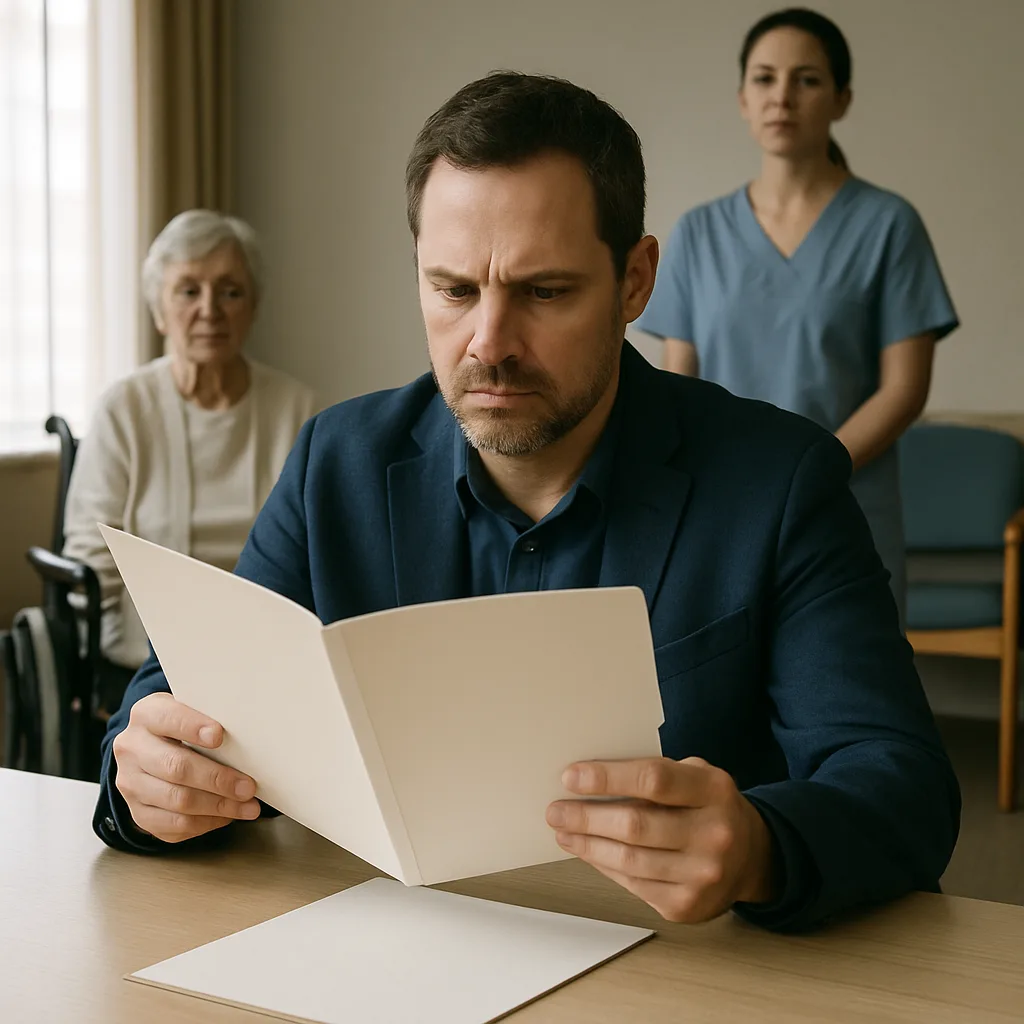
Choosing to place a loved one in a nursing home is a decision made with trust — trust that the staff will provide the highest quality of care, dignity and respect. Unfortunately, nursing home abuse and neglect remain serious problems in facilities across Illinois and the nation. For families, recognizing the early warning signs is crucial in protecting vulnerable loved ones from further harm.

Unexplained Physical Injuries

One of the most telling indicators of potential abuse is unexplained physical injuries. While occasional bruises or minor scrapes might be normal for elderly individuals with mobility issues, repeated injuries without clear explanations should raise immediate concern. Broken bones, sprains and head injuries are particularly alarming because they can suggest falls due to inadequate supervision or even intentional harm. Families should be attentive during visits and gently inquire about any visible injuries, even when the explanations seem plausible on the surface.

Sudden Behavioral Changes

Behavioral changes can also point to underlying problems. If your loved one, who was once talkative and engaged, suddenly becomes withdrawn, fearful or unusually anxious, it may be a sign of emotional or physical mistreatment. Changes in mood, reluctance to speak in front of staff or signs of depression should not be dismissed as mere “aging issues.” Emotional abuse — including intimidation, humiliation or isolation — often leaves deeper scars than physical harm and can severely impact a resident’s quality of life.

Poor Hygiene and Unsanitary Conditions

Another warning sign families should be aware of is poor hygiene and unsanitary living conditions. Reputable nursing homes follow strict guidelines to ensure residents are clean, well-groomed and living in a sanitary environment. If you notice your loved one consistently appears unbathed, has soiled clothing or bed linens or lives in a room that smells of urine or is visibly dirty, it could signal neglect. Staff shortages, poor training or outright disregard for residents’ well-being often lead to these conditions, endangering both physical and emotional health.

Rapid Weight Loss and Signs of Dehydration

Weight loss and dehydration are additional red flags that should never be overlooked. Malnutrition and dehydration can quickly weaken an elderly person’s body, making them more susceptible to infections, bedsores and other serious medical issues. Rapid or unexplained weight changes can indicate that your loved one is not receiving proper nutrition, adequate assistance during meals or necessary medical attention for underlying health conditions. Regularly checking in on your family member’s eating habits and physical appearance can help uncover neglect before it escalates into a medical emergency.

Staff Evasiveness and Barriers to Visitation

Finally, if you experience difficulties accessing your loved one or encounter staff who are evasive, dismissive or hostile when you ask questions, take it seriously. Family members have the right to visit, communicate freely and stay informed about their loved one’s health and living situation. If staff members discourage visits, fail to provide updates or seem anxious when you arrive unexpectedly, it could be a sign they are hiding mistreatment or substandard care practices. Open, honest communication is essential in nursing homes; any lack of transparency should be treated as a warning sign.

Protecting Your Loved One’s Rights

Recognizing these subtle and not-so-subtle signs of nursing home abuse can empower families to act swiftly. If you suspect that your loved one is being mistreated, it is critical to report your concerns to the proper authorities and consult an experienced nursing home abuse attorney. At the Dinizulu Law Group, we are dedicated to protecting the rights and dignity of nursing home residents. Our attorneys can help you hold negligent facilities accountable and seek justice for the harm your family has endured.

Your loved ones deserve a safe, caring environment — not fear, neglect or suffering. Stay vigilant, trust your instincts and know that legal help is available to guide you through this challenging time. Call us at (312) 384-1920 for a free consultation to get started today.

The True Cost of Nursing Home Neglect: Financial & Emotional Impact on Families

Nursing home neglect is a heartbreaking issue that many families face when their loved ones enter long-term care. While these facilities are supposed to provide a safe and caring environment, neglect can occur when staff fail to meet the necessary standards of care. The consequences of nursing home neglect extend far beyond physical injury — they also have a significant financial and emotional impact on families. Understanding the true cost of nursing home neglect is essential for families who may be facing this difficult situation and seeking justice for their loved ones.

What Is Nursing Home Neglect?

Nursing home neglect happens when staff members fail to provide the proper care and attention that residents need. This neglect can manifest in various ways, including:

  • Failing to provide proper nutrition or hydration
  • Neglecting hygiene needs, such as bathing or oral care
  • Ignoring medical conditions or failing to administer medication
  • Leaving patients in unsafe conditions or unattended for extended periods
  • Failing to prevent falls or injuries

While some instances of neglect are unintentional, others stem from poor training, understaffing or deliberate negligence. Regardless of the cause, the effects on residents and their families can be devastating.

Financial Impact of Nursing Home Neglect

The financial toll of nursing home neglect can be severe, both for the victim and their family. If a loved one is neglected in a nursing home, the costs associated with their care can quickly spiral out of control.

1. Medical Expenses and Treatment Costs

One of the primary financial burdens of nursing home neglect is the cost of medical treatment. Injuries caused by neglect — such as falls, bedsores, infections or untreated medical conditions — often require extensive medical intervention. This can include emergency room visits, hospitalizations, surgeries and ongoing care from specialists. These costs can quickly add up, leaving families with significant medical bills.

In some cases, the injuries may be so severe that the individual requires long-term care, rehabilitation or even a move to a different facility that can provide the necessary care. These added costs can be overwhelming, especially if the victim’s family is already paying for nursing home care.

2. Loss of Income and Future Earning Potential

If the individual affected by nursing home neglect was employed prior to the incident, the family may also face a loss of income. In some cases, the individual may be unable to return to work or may need ongoing assistance to perform daily tasks. This loss of income can place a significant financial strain on families already dealing with medical expenses and emotional stress.

Additionally, if the victim’s condition worsens due to neglect, they may be entitled to compensation for the loss of future earning potential. Calculating these damages often requires the assistance of an expert in economic loss calculations, which can further add to the overall financial burden.

3. Legal Fees and Litigation Costs

Pursuing legal action against a nursing home for neglect often requires the services of an experienced personal injury or malpractice attorney. While many attorneys work on a contingency fee basis (only getting paid if you win the case), the costs of litigation — such as expert witness fees, court costs and other expenses — can quickly add up. Legal battles can be lengthy and expensive, which may add additional strain on families already struggling financially.

Emotional Impact of Nursing Home Neglect

While the financial costs of nursing home neglect are significant, the emotional toll on families is even more devastating. The emotional distress experienced by both the victim and their loved ones can have lasting effects.

1. Feelings of Guilt and Betrayal

When a loved one enters a nursing home, family members often do so with the expectation that their relative will be cared for and treated with dignity. Discovering that neglect has occurred can lead to feelings of guilt, shame and betrayal. Family members may blame themselves for not recognizing the signs of neglect earlier or for trusting the facility that ultimately failed to provide proper care.

2. Stress and Anxiety

Caring for a loved one who has been neglected can cause immense stress and anxiety. Family members may find themselves overwhelmed by the need to monitor the victim’s care, make important medical decisions and pursue legal action. The constant worry about their loved one’s well-being can take a toll on mental health, leading to depression, anxiety and feelings of helplessness.

3. Damaged Relationships

Nursing home neglect can strain family relationships, as members may have different opinions on how to handle the situation. Some family members may disagree on whether to pursue legal action, which can lead to tension and conflict. The added stress of navigating the complexities of nursing home neglect cases can sometimes drive a wedge between family members.

What Can Families Do?

If you suspect that a loved one is experiencing nursing home neglect, it’s crucial to take immediate action. Start by documenting any signs of neglect, such as unexplained injuries, poor hygiene or emotional withdrawal. Seek medical attention for your loved one and consider reporting the issue to the appropriate authorities. It’s also essential to consult with a skilled attorney who specializes in nursing home neglect cases to understand your legal rights and options.

Contact a Nursing Home Neglect and Abuse Lawyer in Illinois

The true cost of nursing home neglect extends far beyond the physical harm caused to the victim. Families face substantial financial burdens, including medical expenses, loss of income and legal costs. At the same time, the emotional impact can be profound, with family members experiencing guilt, stress and damaged relationships. If you suspect that a loved one is the victim of nursing home neglect, it’s essential to seek legal help immediately to ensure they receive the justice and compensation they deserve.

At the Dinizulu Law Group, we are dedicated to helping families affected by nursing home neglect fight for the compensation and justice they deserve. Contact us today by calling (312) 384-1920 for a free consultation. Call us today to learn more about your legal options.

How Do You Prove Medical Malpractice? Key Elements of a Case

Medical malpractice is a serious legal issue that can have devastating consequences for patients. If you or a loved one has suffered due to the negligence of a healthcare professional, it’s essential to understand the key elements required to prove medical malpractice and secure compensation for your injuries. Proving medical malpractice can be a complex process, but with the right legal team and understanding of the elements involved, you can fight for justice.

In this blog, we’ll break down the key elements of a medical malpractice case and how you can prove that a healthcare provider was responsible for your injuries.

What is Medical Malpractice?

Medical malpractice occurs when a healthcare provider — such as a doctor, nurse, surgeon0 or hospital — fails to meet the accepted standard of care, causing harm to the patient. The standard of care refers to the level of skill, knowledge and care that a reasonably competent healthcare professional would provide in similar circumstances.

To prove that medical malpractice occurred, you must demonstrate that the healthcare provider’s actions (or lack thereof) directly caused your injury or harm.

Key Elements of a Medical Malpractice Case

To successfully prove medical malpractice, you must establish four key elements. These elements serve as the foundation of any malpractice case and are critical to securing compensation for your injuries.

1. A Doctor-Patient Relationship Existed

The first element you must prove is that a doctor-patient relationship existed. This means that the healthcare provider had a legal obligation to care for the patient. In most cases, this is easy to establish, especially if the provider was treating you for a specific condition or performing a procedure.

However, there are instances where a doctor-patient relationship may not be immediately clear. For example, if a doctor provided advice or treatment without being formally engaged as your healthcare provider, it could complicate this element. A knowledgeable attorney can help determine whether a valid relationship was established.

2. The Healthcare Provider Was Negligent

The second element requires proving that the healthcare provider was negligent. Negligence means that the provider failed to meet the accepted standard of care. This can include mistakes such as:

  • Misdiagnosing a condition
  • Failing to order appropriate tests
  • Providing the wrong treatment or medication
  • Making surgical errors

To establish negligence, expert testimony from a medical professional in the same field as the defendant may be necessary. The expert will explain how the provider’s actions deviated from the standard of care and how those actions led to your injury.

3. The Negligence Caused Your Injury

Once negligence is established, you must demonstrate that it directly caused your injury. It’s not enough to simply show that the healthcare provider was negligent; you must prove that their actions led to harm. This can include physical injuries, worsening of a condition, unnecessary pain and suffering, or even death.

Causation is often one of the most challenging aspects of medical malpractice cases. Medical records, expert testimony and other evidence will be essential to linking the provider’s negligence to the harm you suffered.

4. You Suffered Damages

Finally, you must prove that you suffered damages as a result of the negligence. Damages can take many forms, including:

  • Medical bills and costs of future treatment
  • Lost wages or earning potential
  • Pain and suffering
  • Emotional distress
  • Loss of quality of life

You will need to provide evidence of the financial, physical and emotional impact the malpractice has had on your life. This may involve medical bills, wage statements and documentation from healthcare providers about the extent of your injuries and treatment.

Steps to Prove Medical Malpractice

To successfully prove a medical malpractice case, it’s crucial to take the following steps:

  1. Seek Medical Treatment: If you suspect malpractice, seek treatment from another healthcare provider immediately to ensure your condition is properly addressed.

  2. Document Everything: Keep detailed records of all medical treatment, including doctor visits, prescriptions, tests and bills. This documentation will be important when building your case.

  3. Consult an Experienced Medical Malpractice Attorney: Medical malpractice cases are complex, so it’s essential to have an attorney with experience in handling these types of claims. An attorney can help gather evidence, consult with medical experts and build a strong case on your behalf.

  4. Work with Expert Witnesses: Expert witnesses will be crucial to demonstrating the negligence and causation of your injuries. Your attorney will work with professionals who can testify on your behalf, explaining the medical errors and their consequences.

Medical Malpractice Attorney in Illinois

Proving medical malpractice is a challenging but crucial process for obtaining justice and compensation for injuries caused by healthcare provider negligence. If you believe you or a loved one has been a victim of medical malpractice, it’s essential to consult with an experienced attorney who can guide you through the process and ensure that you meet all the legal requirements for a successful case.

At the Dinizulu Law Group, we have years of experience representing victims of medical malpractice. Our dedicated team is committed to holding negligent healthcare providers accountable and ensuring that you receive the compensation you deserve. Contact us today at (312) 384-1920 for a free consultation.

The Role of Expert Witnesses in Medical Malpractice Cases

Medical malpractice cases can be complex and difficult to prove, requiring a deep understanding of medical standards, procedures, and practices. In these types of cases, expert witnesses play a crucial role in helping to establish liability and demonstrating that the healthcare provider’s actions deviated from accepted medical standards. If you or a loved one is involved in a medical malpractice lawsuit, understanding the role of expert witnesses can be vital to achieving a successful outcome.

What is an Expert Witness?

An expert witness is a professional with specialized knowledge, skills or experience in a particular area relevant to a case. In medical malpractice lawsuits, expert witnesses are typically medical professionals with experience in the same field as the defendant (e.g., a surgeon if the case involves surgical errors). These experts are called upon to provide their professional opinion on whether the healthcare provider acted within the standards of care expected in the medical field.

In a medical malpractice case, expert witnesses help clarify complex medical issues for the judge and jury. They provide the medical insight needed to understand whether a healthcare provider’s actions (or lack thereof) led to injury or harm, which can be challenging for individuals without medical training to comprehend.

The Importance of Expert Witnesses in Medical Malpractice Cases

  1. Establishing the Standard of Care
    One of the key functions of an expert witness in a medical malpractice case is to establish the standard of care. The standard of care refers to the level of competence and skill that a reasonably competent healthcare professional in the same field would exercise under similar circumstances.

    Medical professionals are expected to provide care that aligns with established standards in their field. If a healthcare provider fails to meet these standards and a patient is harmed as a result, that’s where expert testimony becomes crucial. An expert witness can explain the applicable medical standard and evaluate whether the healthcare provider followed it.

  2. Demonstrating Causation
    In addition to establishing the standard of care, expert witnesses are also essential in demonstrating causation. In medical malpractice, it’s not enough to simply show that a mistake was made — there must be a clear connection between the healthcare provider’s actions (or inactions) and the injury the patient sustained.

    An expert witness can help to explain how the breach of the standard of care directly led to the patient’s harm. For example, if a doctor fails to properly diagnose a condition, an expert witness can explain how this failure led to a worsened condition or unnecessary surgery, directly impacting the patient’s health.

  3. Providing Credibility to Your Case
    Medical malpractice cases are often complicated, and medical terminology can be difficult to understand for a judge or jury without a medical background. Expert witnesses help bridge this gap by providing explanations that make the medical issues understandable. Their testimony can help the court grasp complex medical issues, such as medical procedures, diagnoses and the potential consequences of medical errors.

    Expert testimony lends credibility to the case, as it offers an authoritative opinion from a respected professional in the field. The presence of an expert witness can give weight to the plaintiff’s claims and make it more likely that the jury will rule in their favor.

How Do You Select an Expert Witness?

Choosing the right expert witness is essential to the success of a medical malpractice case. When selecting an expert, attorneys typically look for individuals who have:

  • Relevant experience: The expert should have experience in the same medical field as the healthcare provider involved in the case. For example, if the case involves surgical errors, an experienced surgeon in that specialty would be ideal.
  • Reputation: The expert’s reputation within the medical community matters. A respected and credible expert can add significant weight to the case.
  • Ability to communicate clearly: Expert witnesses need to be able to explain medical concepts in a way that is easily understandable for a judge and jury, without losing the technical accuracy of their testimony.

The Benefits of Expert Witnesses in Medical Malpractice Cases

Expert witnesses provide several benefits in medical malpractice cases:

  • Strengthen the case: Their testimony can make a significant difference in proving negligence and causation.
  • Clarify technical medical issues: Expert witnesses help break down complex medical procedures and terminology into clear, understandable terms.
  • Support the credibility of your case: The credibility of a respected medical professional can help sway the jury and demonstrate the validity of your claims.

Contacting an Experienced Medical Malpractice Attorney

Expert witnesses are invaluable in medical malpractice cases. They play a pivotal role in establishing the standard of care, demonstrating causation and lending credibility to the case. If you or a loved one has been affected by medical malpractice, an experienced attorney can help you select the right expert witness to strengthen your case.

At the Dinizulu Law Group, we are committed to fighting for the rights of individuals harmed by medical negligence. Our team of experienced attorneys can guide you through the complexities of medical malpractice litigation and help secure the compensation you deserve. Contact us today at (312) 384-1920 for a free consultation.

How Trucking Companies Avoid Liability After an Accident (And What You Can Do)

Trucking accidents are often devastating and can lead to severe injuries, property damage and even fatalities. After an accident involving a commercial truck, victims may find themselves struggling not only with the physical and emotional aftermath but also with the legal complexities that follow. One of the most frustrating challenges victims face is that trucking companies often employ various tactics to avoid liability, making it harder for accident victims to receive fair compensation.

In this blog, we’ll discuss how trucking companies avoid liability after an accident and what you can do to protect your rights and ensure justice is served.

How Trucking Companies Avoid Liability

  1. Disputing Fault and Blaming the Victim

    One of the first tactics trucking companies use is to dispute fault after an accident. They may attempt to blame the other driver, point to road conditions or weather, or argue that the truck driver was following standard protocols and the crash was unavoidable. In some cases, they may claim that the passenger vehicle driver was at fault.

    Trucking companies will also try to challenge witness testimony and seek ways to create doubt about who caused the accident, hoping to shift the blame away from the driver or the company.

  2. Limiting Compensation Through Insurance Claims

    Trucking companies usually carry substantial insurance policies, but they use these policies to limit payouts. After an accident, insurers may delay or deny claims, offer minimal settlements or dispute the severity of the injuries sustained.

    In many cases, trucking companies will try to settle the case quickly, offering victims an amount that seems like a fair solution. However, these early offers rarely reflect the full extent of the victim’s injuries and long-term financial impacts.

  3. Offering Quick Settlements to Pressure Victims

    Trucking companies know that victims may be in financial distress and eager to settle quickly. By offering fast settlements, they can avoid lengthy litigation and significantly reduce their financial liability. However, these offers often fail to account for the long-term medical costs, lost wages, and pain and suffering the victim may experience.

    It is crucial to never accept a quick settlement before fully understanding the extent of your injuries and future needs.

  4. Underreporting or Concealing Evidence

    Trucking companies may also attempt to conceal or underreport important evidence. For example, they may fail to provide the truck’s black box data, which records key information like speed, braking, and driver behavior. This data is essential for understanding the cause of the accident.

    Additionally, companies might pressure truck drivers to falsify records related to driving hours or fatigue. Without access to this critical data, it becomes difficult for accident victims to prove liability.

  5. Challenging the Severity of Injuries

    Trucking companies and their insurers often challenge the severity of a victim’s injuries. They may hire medical experts who argue that the injuries are not as serious as claimed. This tactic is meant to reduce the compensation owed to the victim.

Contact an Experienced Trucking Accident Attorney

The most important step you can take after a trucking accident is to hire an experienced attorney. A skilled personal injury lawyer who specializes in trucking accidents will be familiar with the tactics trucking companies use and can help gather essential evidence to support your case. An attorney will also handle negotiations with the trucking company’s insurance company to ensure that your rights are protected.

Collect Evidence Immediately

After the accident, gather as much evidence as possible. Take photographs of the scene, get witness statements, and request any available truck data, such as the driver’s logs, black box data and maintenance records. The sooner this evidence is gathered, the better, as trucking companies may attempt to alter or hide it.

Do Not Accept an Early Settlement

Never accept an early settlement offer from the trucking company or its insurer without first consulting an attorney. These initial offers are usually much lower than what you are truly entitled to. Work with your attorney to evaluate the full extent of your injuries, medical costs, and long-term expenses before agreeing to any settlement.

Keep Detailed Records of Medical Treatment

Maintain a thorough record of all medical treatments and associated expenses. This will help establish the full extent of your injuries and demonstrate the cost of your care. Detailed medical records are crucial when fighting for compensation.

Report the Accident to Authorities

Always report the accident to local authorities, especially if there is significant damage or injury. A police report will document the incident and can serve as evidence in your case.

Contact the Trucking Lawyers at the Dinizulu Law Group

Trucking companies often use tactics such as disputing fault, offering quick settlements and concealing evidence to avoid liability after an accident. However, with the right steps and an experienced attorney on your side, you can fight back against these tactics and secure the compensation you deserve.

If you or a loved one has been involved in a trucking accident, the Dinizulu Law Group is here to help! Our team of experienced attorneys is dedicated to representing victims of trucking accidents and holding negligent companies accountable. Contact us today at (312) 384-1920 for a free consultation and to learn more about your legal options.

Can You Sue for Bedsores? Understanding Nursing Home Negligence Cases

Bedsores, also known as pressure ulcers or decubitus ulcers, are painful and often preventable injuries that can occur when a person is confined to a bed or wheelchair for long periods. Unfortunately, bedsores are a common issue in nursing homes, and when they develop due to neglect, the responsible parties can be held liable. If you or a loved one has suffered from bedsores while in a nursing home, you may be wondering if you can take legal action. The short answer is yes, you can sue for bedsores under certain circumstances.

In this blog, we’ll explore how bedsores develop, what constitutes nursing home negligence and how you can pursue a lawsuit if your loved one’s injuries were caused by inadequate care.

What Are Bedsores and How Do They Develop?

Bedsores are areas of skin that become damaged due to prolonged pressure on the skin and underlying tissues. They often develop over bony areas of the body, such as the heels, hips and tailbone, when the skin is not relieved of pressure for extended periods. This can happen when a person is bedridden, in a wheelchair, or unable to reposition themselves due to physical limitations.

Several factors contribute to the development of bedsores:

  • Prolonged Pressure: Constant pressure on certain areas of the body restricts blood flow to the skin and tissues, which can lead to tissue damage.
  • Friction: When the skin rubs against bedding, clothing or other surfaces, it can cause damage to the skin and increase the risk of sores.
  • Moisture: Incontinence or excessive moisture can make the skin more susceptible to breaking down.
  • Poor Nutrition: Malnutrition and dehydration can weaken the skin and make it more prone to injury.

When Can You Sue for Bedsores in a Nursing Home?

Bedsores are often a sign of nursing home negligence, as they typically develop when a resident is not properly cared for. Under normal circumstances, nursing home staff should take proactive steps to prevent bedsores, such as repositioning patients regularly, ensuring proper nutrition and hydration and providing appropriate skin care.

If bedsores develop due to negligence or inadequate care, it may be grounds for a lawsuit. Nursing homes have a legal duty to provide residents with adequate care, and failing to do so could lead to liability.

Some examples of negligence that could lead to a nursing home bedsores lawsuit:

  1. Failure to Reposition the Patient
    Nursing home staff are required to regularly reposition bedridden or immobile residents to relieve pressure on vulnerable areas of the body. If staff fail to follow these protocols and a patient develops bedsores as a result, this could constitute negligence.
  2. Inadequate Skin Care and Hygiene
    Nursing homes are expected to maintain good hygiene and care for residents’ skin. Failure to keep the skin clean and dry, especially for patients who suffer from incontinence, can lead to the development of bedsores. If staff neglect this responsibility, they could be held liable for the injuries that result.
  3. Poor Nutrition or Hydration
    A resident’s diet and hydration are critical to maintaining healthy skin. Nursing homes must provide residents with adequate nutrition and fluids to help prevent the formation of bedsores. If a nursing home fails to meet these needs, resulting in weakened skin that is more susceptible to sores, they may be held accountable.
  4. Failure to Assess the Risk of Bedsores
    Nursing homes are required to regularly assess each resident’s risk of developing bedsores and implement preventative measures. If a nursing home fails to conduct a proper risk assessment or implement appropriate care plans, it may be deemed negligent if bedsores develop.

What You Need to Prove in a Nursing Home Bedsores Lawsuit

If you are considering filing a lawsuit for bedsores in a nursing home, it’s essential to understand what needs to be proven. A nursing home negligence lawsuit typically requires the following elements: duty of care, breach of duty, causation and damages.

To build a strong case, you’ll need evidence, including medical records showing the development of bedsores and any treatments provided, testimony from medical professionals who can confirm that the nursing home’s actions or lack of actions led to the injuries, and photos of the bedsores to document their severity.

How Can an Attorney Help You?

Nursing home abuse and negligence cases can be complex, and securing compensation for bedsores often requires a detailed investigation. An experienced personal injury attorney can help you navigate the legal process by:

  • Investigating the circumstances surrounding the bedsores.
  • Gathering medical evidence and expert testimony.
  • Negotiating with insurance companies to ensure you receive fair compensation for medical bills, pain and suffering, and other damages.
  • Filing a lawsuit and representing you in court if necessary.

Contact a Nursing Home Abuse Lawyer in Illinois

If your loved one has developed bedsores due to nursing home negligence, you have the right to take legal action. Bedsores are often preventable with proper care, and when they develop due to neglect, the responsible parties should be held accountable. By working with an experienced personal injury attorney, you can ensure that your loved one’s rights are protected and that they receive the compensation they deserve.

At the Dinizulu Law Group, we are dedicated to fighting for victims of nursing home negligence. Contact us today by calling (312) 384-1920 for a free consultation, and let us help you understand your legal options.

Delayed Injuries After a Car Accident: Why You Should See a Doctor Immediately

Car accidents are traumatic experiences, and they often result in immediate physical injuries that are easy to detect, such as broken bones, bruises or cuts. However, some injuries may not show symptoms right away and can develop over time, potentially leading to long-term health complications. These are known as delayed injuries, and it’s crucial to recognize the importance of seeing a doctor immediately, even if you don’t feel hurt right after the accident.

At the Dinizulu Law Group, we understand how overwhelming it can be to recover from a car accident. In this blog, we’ll explain why delayed injuries are common, why seeing a doctor right after an accident is essential and how seeking medical care can protect your health and strengthen your legal case.

What Are Delayed Injuries?

Delayed injuries are injuries that don’t immediately show symptoms after an accident. The body often releases adrenaline in response to the trauma, which can mask pain and other symptoms right after the accident. As the adrenaline wears off, injuries may begin to manifest.

Common examples of delayed injuries after a car accident include:

  • Whiplash: A soft tissue injury to the neck caused by the sudden jerking motion of the head during a collision. Symptoms can take hours or even days to appear.
  • Concussions: Brain injuries caused by a blow to the head. Symptoms like dizziness, headaches and confusion may not appear immediately.
  • Spinal Injuries: Damage to the spine or nerves that might not show symptoms until days or weeks later, potentially causing chronic pain or mobility issues.
  • Internal Injuries: Damage to organs, such as the spleen or kidneys, which may not be immediately apparent but can cause serious complications.
  • Herniated Discs: The sudden impact of a crash can cause the discs in your spine to rupture, but symptoms like numbness or pain may not occur for a while.

Why You Should See a Doctor Immediately

  1. Early Detection and Treatment
    Seeing a doctor right after an accident, even if you feel fine, is critical for early detection of injuries. A medical professional can identify injuries that you might not be aware of and recommend the appropriate treatment. Addressing injuries early increases the likelihood of a full recovery and can prevent long-term complications.
  2. Protecting Your Health
  3. Car accidents can cause more than just surface-level injuries. For example, internal bleeding or a concussion may not show symptoms for hours or even days. Delayed treatment for these conditions can lead to serious, even life-threatening, complications. Seeking medical care promptly ensures that your health is prioritized and any serious injuries are treated before they worsen.
  4. Establishing a Medical Record for Your Claim
    If you decide to pursue a personal injury claim, having a documented medical record is essential. Insurance companies and courts will look at your medical records to determine the extent of your injuries and the timeline of your treatment. If you wait to see a doctor or fail to seek care right after the accident, it may be difficult to prove that your injuries were caused by the collision, potentially affecting your compensation.
  5. Symptoms Can Be Masked by Adrenaline
    After an accident, your body releases adrenaline as a natural response to stress, which can temporarily mask pain and symptoms. This can give you a false sense of security, leading you to believe you are uninjured. However, adrenaline wears off, and you may start feeling pain or discomfort days later. Even if you feel fine immediately after the accident, it’s important to seek medical attention to ensure that no underlying injuries are overlooked.
  6. Strengthening Your Personal Injury Case
    In Illinois, personal injury claims, including those from car accidents, rely on having strong medical evidence. Seeing a doctor as soon as possible creates a clear link between the accident and your injuries, which can strengthen your case. Insurance companies are more likely to offer fair compensation when you can prove that your injuries were promptly diagnosed and treated.

What to Expect During Your Doctor Visit

When you visit a doctor after a car accident, they will conduct a thorough physical examination and may recommend diagnostic tests, such as X-rays, MRIs or CT scans, to identify any hidden injuries. Depending on the severity of your injuries, the doctor may refer you to a specialist for further treatment or rehabilitation.

Make sure to document your symptoms and tell your doctor about any pain, discomfort or changes in your health, even if they seem minor. The more detailed your medical records are, the stronger your personal injury case will be.

Contact the Dinizulu Law Group Today!

Car accidents are unpredictable, and injuries don’t always make themselves known right away. Even if you feel fine after a collision, it’s important to seek medical attention immediately. Early diagnosis and treatment can help prevent long-term health issues and create a clear record for any personal injury claims you pursue.

At the Dinizulu Law Group, we are committed to helping victims of car accidents navigate the aftermath, ensuring that they get the care and compensation they deserve. If you’ve been involved in a car accident and are experiencing delayed injuries, don’t wait—  contact us today to discuss your case and schedule a consultation with our experienced legal team. Call us now at (312) 384-1920 to learn what your options are.

Understanding Illinois’ Statute of Limitations for Medical Malpractice Cases

When medical professionals make mistakes, the consequences can be life-altering. If you or a loved one has suffered due to medical negligence in Illinois, it’s crucial to understand your legal rights — especially the statute of limitations, which determines how long you have to file a lawsuit.

At the Dinizulu Law Group, we are committed to helping victims of medical malpractice seek the justice they deserve. This guide explains Illinois’ medical malpractice statute of limitations, exceptions to the rule and why acting quickly is essential for your case.

What Is the Statute of Limitations for Medical Malpractice in Illinois?

The statute of limitations is the legal deadline for filing a lawsuit. In Illinois, medical malpractice victims generally have:

  • Two years from the date they knew or reasonably should have known about the injury to file a claim.
  • A maximum of four years from the date the malpractice occurred, regardless of when it was discovered.

This means that even if you don’t realize you were harmed right away, you cannot file a claim more than four years after the negligent act took place.

Exceptions to the Statute of Limitations

While the two- and four-year rules apply in most cases, there are important exceptions that may extend the time to file:

  1. Cases Involving Minors

    If the victim is a child (under 18), Illinois law allows more time to file a lawsuit if the statute of limitations extends to eight years from the date of the malpractice. However, a claim cannot be filed later than the child’s 22nd birthday, even if the eight-year period hasn’t passed.

  2. Cases Involving Fraud or Concealment

    If a doctor or medical provider fraudulently conceals their negligence, the victim has five years from the date the malpractice was discovered to file a claim.

  3. Cases Where the Victim Is Legally Disabled

    If the injured party is legally disabled at the time of the malpractice, the statute of limitations may be paused (also called “tolled”) until the disability is lifted.

Why Acting Quickly Is Crucial

Even though you may have up to four years to file, waiting too long can hurt your case. Here’s why:

  • Evidence Can Be Lost – Medical records, witness testimony and expert opinions are crucial in malpractice cases. The longer you wait, the harder it may be to collect strong evidence.
  • Doctors and Hospitals Will Fight Back – Medical providers and insurance companies will use every possible defense to dismiss or reduce your claim. Filing promptly strengthens your position.
  • Delays Could Lead to Case Dismissal – If you miss the deadline, your case will likely be thrown out, leaving you without compensation for medical expenses, lost wages, and pain and suffering.

What to Do If You Think You Have a Medical Malpractice Case

If you suspect that medical negligence caused your injury or worsened your condition, take these steps immediately:

  1. Seek Medical Attention – Get a second opinion to address any ongoing health concerns.
  2. Request Medical Records – Your records will be key evidence in proving negligence.
  3. Document Everything – Keep track of symptoms, treatments and how the malpractice has affected your life.
  4. Contact an Experienced Medical Malpractice Attorney – A lawyer can evaluate your case, gather evidence and help you navigate the legal process.

Let the Dinizulu Law Group Fight for You

Medical malpractice cases are complex, but you don’t have to face this battle alone. The experienced attorneys at the Dinizulu Law Group have a proven track record of holding negligent healthcare providers accountable and securing maximum compensation for victims.

If you believe you have a medical malpractice case, don’t wait! Contact us today for a free consultation and let us help you get the justice you deserve. Call (312) 384-1920 now!

What to Do After a Trucking Accident in Illinois: A Step-by-Step Guide

A trucking accident can be a life-altering event, leading to severe injuries, vehicle damage and emotional distress. If you or a loved one has been involved in a truck crash in Illinois, knowing the right steps to take can help protect your legal rights and maximize your potential compensation. This guide will walk you through the crucial actions to take after a trucking accident in Illinois.

1. Prioritize Safety and Call 911

The first step after any accident is ensuring your safety and the safety of others involved. If possible:

  • Move to a safe location away from traffic.
  • Check yourself and others for injuries.
  • Call 911 to report the accident and request medical assistance.

Even if the accident seems minor, calling the police is essential. A police report can serve as a key piece of evidence if you pursue a personal injury claim.

2. Seek Medical Attention Immediately

Truck accidents often cause serious injuries, including whiplash, broken bones, traumatic brain injuries and spinal cord damage. Even if you feel fine, some injuries may not show symptoms right away. Seeking medical attention ensures that any injuries are documented, which is critical for any future legal claim.

3. Gather Evidence at the Scene

If you are physically able, collect as much evidence as possible from the accident scene:

  • Take Photos and Videos: Capture images of the vehicles, license plates, road conditions, traffic signs, skid marks and any visible injuries.
  • Get Contact Information: Obtain names, phone numbers and insurance details of all drivers involved.
  • Identify Witnesses: If there are bystanders who saw the accident, ask for their contact information and statements.

Illinois follows a comparative fault rule, meaning that evidence can help establish who was responsible for the crash and impact the compensation you receive.

4. Do Not Admit Fault or Discuss Details with Insurance Adjusters

After a trucking accident, you may be contacted by the trucking company’s insurance provider. Keep the following in mind:

  • Do not admit fault — even saying “I’m sorry” can be used against you.
  • Limit communication with the insurance company — they may try to get a statement that reduces your claim.
  • Do not accept the first settlement offer — it’s often much lower than what you deserve.

Instead, direct all communications to your attorney.

5. Understand Illinois Truck Accident Laws

Illinois has strict laws governing trucking accidents. Some key points include:

  • Statute of Limitations: In Illinois, you generally have two years from the date of the accident to file a personal injury lawsuit.
  • Liability in Truck Accidents: Unlike regular car accidents, liability may extend beyond the truck driver to the trucking company, vehicle manufacturer, or maintenance provider.
  • Comparative Negligence: If you are found partially at fault, your compensation may be reduced based on your percentage of responsibility.

6. Contact a Truck Accident Attorney

Trucking accident cases can be complex, involving federal and state regulations, multiple liable parties and aggressive insurance companies. An experienced Illinois truck accident attorney can:

  • Investigate the accident and gather critical evidence.
  • Determine liability and negotiate with insurance companies.
  • Ensure you receive maximum compensation for medical bills, lost wages, and pain and suffering.

Most personal injury attorneys work on a contingency fee basis, meaning you don’t pay unless you win your case.

7. Follow Through with Medical Treatment and Keep Records

Your health should be your top priority. Be sure to:

  • Follow your doctor’s treatment plan.
  • Attend all follow-up appointments.
  • Keep records of medical expenses, lost wages and how the accident has affected your life.

This documentation will support your injury claim and help calculate the full extent of your damages.

Want to Learn More?

A trucking accident in Illinois can be overwhelming, but following these steps can protect your rights and improve your chances of receiving fair compensation. By prioritizing safety, gathering evidence, seeking legal guidance and staying proactive, you can navigate the legal process with confidence.

If you or a loved one has been injured in a trucking accident, consult with our experienced Illinois truck accident lawyer as soon as possible to discuss your options and secure the justice you deserve. Contact us today at (312) 384-1920 to receive a free consultation.

Translate »