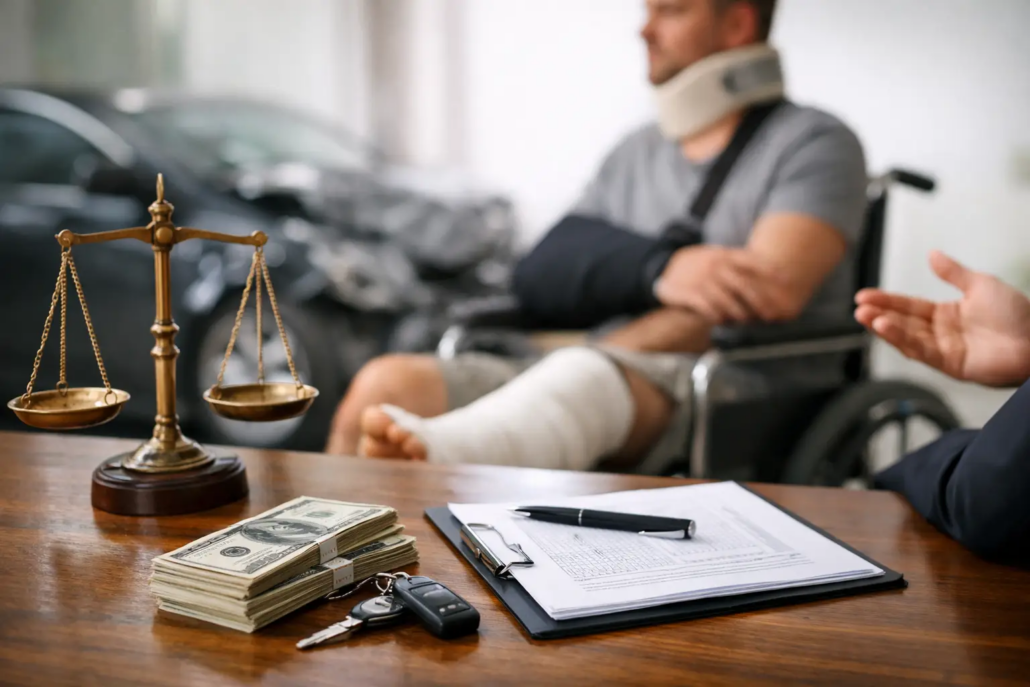
Compensation After a Catastrophic Accident
A catastrophic injury changes more than a medical chart. It can take away a person’s ability to work, care for children, move freely, communicate, or live independently. The question of compensation after a catastrophic accident is therefore not just about paying current bills. It is about protecting a family’s future, preserving dignity, and holding the responsible party accountable for the harm they caused.
For Chicago-area families, the days after a serious truck crash, workplace incident, medical error, dangerous-property accident, or violent act can feel disorienting. Insurance companies may call early, before the full extent of an injury is known. They may frame a fast offer as help. But a settlement that appears substantial in the first weeks after an accident may be far less than what a lifetime of care, lost income, and daily hardship will actually cost.
What Makes an Accident Catastrophic?
A catastrophic accident is generally one that causes severe, permanent, or life-altering harm. The injury does not need to fit one exact legal label to be serious. What matters is how it affects the person’s health, independence, ability to earn a living, and quality of life.
These cases often involve traumatic brain injuries, spinal cord damage, paralysis, amputations, serious burns, multiple fractures, permanent nerve damage, organ injuries, or injuries that require repeated surgeries and long-term rehabilitation. A person may also suffer psychological trauma, depression, anxiety, or post-traumatic stress alongside visible physical injuries.
The consequences can unfold over months or years. A survivor may need home health assistance, mobility equipment, accessible housing, specialized transportation, therapy, medication, and support from relatives who must reduce their own work hours. That is why evaluating a claim based only on emergency-room bills or the first round of treatment can be a serious mistake.
Compensation After a Catastrophic Accident: What May Be Available
Illinois personal injury claims are designed to provide financial compensation for losses caused by another party’s negligence or misconduct. The damages available depend on the facts, the evidence, the insurance coverage, and the legal responsibility of each party involved.
A catastrophic injury claim may seek compensation for:
- Past and future medical treatment, including hospitalization, surgery, therapy, rehabilitation, medications, and assistive devices.
- Lost wages, reduced earning capacity, lost benefits, and the financial impact of leaving a career early.
- Pain and suffering, emotional distress, disfigurement, disability, and loss of a normal life.
- The cost of in-home care, home modifications, transportation needs, and other support required because of the injury.
- Property damage and other documented out-of-pocket losses connected to the accident.
In a wrongful death case, surviving family members may have separate claims for the loss of financial support, companionship, guidance, and the devastating impact of losing their loved one. The appropriate claim structure depends on the relationship to the person who died and the circumstances of the case.
No lawyer should promise a specific result before a thorough investigation. Still, serious injuries often require serious legal preparation because the stakes are high and insurers understand what a full claim could cost.
Why Future Costs Matter So Much
The most difficult part of a catastrophic injury case is often proving future loss. The person hurt may be young, may have decades of working life ahead, or may need medical support that changes as their condition develops. A fair recovery must account for the real life that was interrupted, not just the care already received.
This can require testimony and documentation from treating physicians, rehabilitation specialists, life-care planners, vocational experts, and economists. These professionals can help explain what future treatment may cost, whether the person can return to work, and how much income they are likely to lose over time.
For example, a warehouse worker who suffers a spinal injury may recover enough to leave the hospital but still be unable to lift, stand for long periods, or perform the work that supported their family. The financial loss is not limited to missed paychecks during recovery. It may include a permanent reduction in earning ability, career opportunities, retirement contributions, and health insurance benefits.
A case involving a child demands particular care. A child may face years of therapy, educational challenges, developmental uncertainty, and a need for support that cannot be measured in the first months after an injury.
The Evidence That Strengthens a Serious Injury Claim
Insurance carriers and defense lawyers often dispute the severity of injuries, the cause of the accident, or the value of a person’s losses. They may argue that a condition was preexisting, that the victim has improved, or that someone else was partly responsible. Clear evidence helps meet those arguments directly.
Medical records are essential, but they are only part of the picture. Photographs of injuries and recovery, witness statements, crash reports, surveillance footage, damaged vehicles or equipment, employment records, and expert analysis may all matter. In truck accident cases, evidence can include driver logs, maintenance records, electronic data, and company safety policies. In medical malpractice or nursing home cases, a careful review of clinical records can reveal whether a preventable failure caused the harm.
Families should preserve what they can, but they should not carry the legal burden alone. An experienced catastrophic injury attorney can move quickly to investigate, identify responsible parties, and demand that critical evidence be preserved before it disappears.
Do Not Let an Early Settlement Set the Price of Your Future
An early settlement offer can create pressure when medical bills are arriving and a household income has suddenly stopped. It may be tempting to accept simply to gain short-term stability. The trade-off is that accepting a settlement usually ends the right to seek more money later, even if additional surgeries, complications, or disability become clear.
This does not mean every case should be delayed indefinitely. Some families need immediate resources, and every situation is different. It does mean that a settlement decision should be made with a realistic understanding of the diagnosis, the future care plan, available insurance coverage, and the full legal value of the claim.
A strong legal team also looks beyond the individual who caused the accident. A trucking company, employer, property owner, manufacturer, hospital, nursing home, government entity, or other institution may share responsibility. Identifying all liable parties can be critical when catastrophic harm exceeds one insurance policy’s limits.
How Illinois Law Can Affect Recovery
Illinois law can affect both the amount of compensation and the time available to pursue it. In many injury cases, there are filing deadlines, and claims against public entities can involve additional requirements. Waiting too long can put a valid claim at risk, even when the injury is undeniable.
Illinois also follows a modified comparative negligence rule in many personal injury cases. If an injured person is found partly responsible, their recovery may be reduced by their percentage of fault. If they are more than 50 percent responsible, they may be barred from recovering damages. Defense teams sometimes use this rule to shift blame and reduce what they must pay.
Medical liens and health-insurance reimbursement claims can also affect the amount a family ultimately receives. These issues should be reviewed carefully during settlement negotiations. The gross settlement number matters, but so does the net recovery available to support the injured person and their family.
A Legal Claim Should Respect the Person Behind It
Catastrophic injury cases are not files, claim numbers, or insurance calculations. They involve people whose routines, plans, relationships, and sense of security have been changed by someone else’s carelessness or misconduct.
At Dinizulu Law Group, Ltd, clients deserve direct communication, honest answers, and representation that treats their story with respect. A lawyer should be prepared to negotiate from strength, take a case to court when accountability requires it, and explain each decision in plain language.
If your family is facing the aftermath of a life-changing injury, focus first on medical care and safety. Preserve documents, avoid signing away your rights under pressure, and seek legal guidance early enough to protect the evidence and the future your family is working to rebuild.


