Archive for category: Uncategorized

Types of Personal Injury Damages You Can Collect in Illinois

CHICAGO, IL – If you or somebody you love sustained an injury caused by the negligence or wrongful actions of another individual, company or entity, you may have the right to recover compensation for your injuries and other losses.

Understanding the type of compensation you can receive may be complicated. After a personal injury claim has been filed, it may be possible for a victim to receive economic, non-economic and punitive damages for what happened. Read this week’s blog to learn the importance of working with a Chicago personal injury lawyer to help navigate the complicated legal process.

Compensatory Damages

“Compensatory” damages are types of compensation awarded in a personal injury class which is broken down into economic damages (special damages) and non-economic damages (general damages).

Economic damages revolve around the type of expenses that are fairly easy to calculate after a personal injury case occurs. This is typically done by gathering medical expenses, proof of out-of-pocket expenses, proof of lost wages, etc. The most common type of economic damages a personal injury victim may receive includes coverage of medical expenses, coverage of lost wages, out-of-pocket costs and property damage losses.

Non-economic damages are not as easy to calculate because these damages are meant to compensate a victim for things that are not calculable and don’t come with direct bills or receipts that can be totaled. This can include physical pain and suffering damages, emotional and psychological trauma, loss of quality of life damages, loss of enjoyment of life damages, scarring and disfigurement, and loss of consortium for a spouse.

When calculating the economic damages mentioned above, a skilled attorney will add up all of the calculable expenses. To calculate non-economic damages, an attorney will often use a “multiplier method,” which means they will take the total economic damages and multiply that by a set number, often ranging from 1.5 to 5. When they have both the economic and non-economic damage totals, they will add the two together to reach their valuation of the case.

Punitive Damages

Punitive damages aren’t awarded in every case, and Illinois law only allows a plaintiff to seek these damages if they sustain a bodily injury, sustained physical damage to their property or are injured due to a defective product. Punitive damages are reserved for instances where the conduct of the defendant was grossly negligent or particularly reprehensible. These damages are meant to punish the defendant while also sending a message to other individuals or companies that the behavior displayed in the case is not acceptable.

Consulting with an Experienced Personal Injury Lawyer in Chicago, Illinois

If you or somebody you care about is injured due to the careless or negligent actions of another individual, contact an attorney as soon as possible. The experienced attorneys at the Dinizulu Law Group will use our resources and legal expertise to conduct a complete investigation into your case, file the claim for you, negotiate with every party involved and help obtain maximum compensation on your behalf. Call us at (312) 384-1920 or fill out this form to get started today!

Nursing Home Infections Spiked in 2023

CHICAGO, IL – Nursing home infections spiked in 2023 among residents and staff, especially in large metropolitan areas. This surge shed light on the vulnerabilities within long-term care facilities and prompts urgent reform and improved strategies to safeguard the health and well-being of some of society’s most vulnerable members.

Several factors converged to fuel the nursing home infection spike, including COVID-19 which posed a significant threat within the close-knit communities of nursing homes. Despite efforts to implement infection control measures, the communal living arrangements and frequent interactions between residents and staff created conditions conducive to the rapid spread of infections.

Staffing shortages and inadequate resources further exacerbated the nursing home infection spike. Many nursing homes struggled to maintain adequate staffing levels, leading to overworked personnel and increased risk of transmission due to lapses in proper infection control protocols. Insufficient access to personal protective equipment (PPE) and testing supplies also hampered efforts to contain the spread of infections effectively.

The consequences of the nursing home infection spike were profound, affecting both residents and staff alike. For residents, the heightened risk of contracting infectious diseases led to increased morbidity and mortality rates in addition to exacerbated feelings of isolation and anxiety. Strict visitation restrictions implemented to curb the spread of infections further isolated residents from their loved ones, exacerbating the psychological toll of the pandemic.

Staff members bore the brunt of the crisis as they navigated the challenges of providing care amidst heightened risk. Frontline healthcare workers experienced burnout and moral distress as they grappled with the emotional toll of witnessing the suffering and loss of many residents, coupled with concerns about their own health and safety.

The nursing home infection spike of served as a wake-up call while highlighting the need for reform and renewed focus on infection prevention and control in long-term care facilities. Key lessons that emerged from this crisis including:

  • Prioritizing infection control to mitigate the risk of outbreaks.
  • Invest in resources and staffing to effectively respond to infectious disease threats.
  • Enhanced communication and transparency to ensure everyone is informed about the latest developments and protocols.
  • Emphasized holistic care by providing access to social support services and mental health resources.

Contact a Nursing Home Negligence Attorney in Chicago, Illinois

Policymakers, healthcare providers and stakeholders must work collaboratively to implement sustainable solutions that prioritize the safety and well-being of nursing home residents and staff. Signs of elder abuse may often times be subtle. If you or someone you loved suffer negligence at the hands of a healthcare worker, contact the Dinizulu Law Group, Ltd. today. Our team of elder abuse lawyers can help you and your family seek justice. Call us at (312) 384-1920 or fill out this form to get started today.

Different Forms of Nursing Home Abuse and Neglect: What to Look For

CHICAGO, IL – No one wants to think about nursing home abuse and neglect, but the sad reality is that it happens all too often. It’s estimated that around 1 in 6 nursing home residents experience some form or abuse or neglect, which can cause significant physical and emotional harm. If you believe your loved one has been a victim, you can seek justice by filing a claim against the facility to pursue compensation for the damages that have been.

What is Nursing Home Abuse and Neglect?

Nursing home abuse and neglect is a serious problem affecting thousands of people annually. Abuse involves direct action against a resident and can take many forms, including physical, emotional, financial and sexual abuse. In contrast, neglect is failing to provide required care and basic needs such as food, shelter, medical treatment, or supervision.

Abuse and neglect can have devastating effects on nursing home residents. Victims may suffer from physical injuries, emotional trauma and even death. In addition, nursing home abuse and neglect can lead to financial exploitation.

What Constitutes as Abuse and Neglect?

Many types of conduct can be considered nursing home abuse or neglect. They include the following:

  • Physical abuse involves physical force used against a resident without their consent. Examples include hitting, slapping, kicking, shoving or using a weapon. Signs that physical abuse has occurred include, but are not limited to, broken bones, bruises, scratches or other injuries.
  • Sexual abuse consists of sexual contact or conduct made without the resident’s consent. Acts can include fondling, rape or sodomy. Residents subject to this abuse may withdraw from social activities or avoid specific individuals.
  • Psychological abuse is verbal or nonverbal communication that causes emotional anguish or distress. Residents might endure name-calling, threats, humiliation, intimidation or isolation.
  • Financial abuse is the unauthorized use of a resident’s money or property. This can include stealing cash, checks, credit cards or jewelry. It may also involve the perpetrator tricking the resident into “voluntarily” giving up assets.
  • Lack of care is when a nursing home fails to provide necessities to a resident. Negligent conduct might include withholding food, water, shelter, clothing or personal hygiene items. Neglected residents can develop a range of health conditions, including bedsores, infections, dehydration or malnutrition.

Causes of Nursing Home Abuse and Neglect

Various factors can contribute to nursing home abuse and neglect. One of the most common is understaffing. When facilities are short-staffed, employees are often overworked and stressed, which can lead to burnout. This can result in them taking shortcuts with resident care or even acting out in frustration.

Another issue is inadequate training. Staff members can make mistakes if the facility does not properly train them in handling difficult behaviors or providing quality care.

Finally, negligent hiring practices can also lead to abuse and neglect. If background checks are not properly conducted or red flags are ignored, dangerous individuals can slip through the cracks and end up working with vulnerable residents.

Filing a Claim

When an older person is abused or neglected in a nursing home, their loved ones may want to take legal action. First, they may report the incident to local authorities, which can result in criminal charges against the perpetrator and/or facility. Next, they can file a claim against the nursing home to seek justice further.

Victims of nursing home abuse or neglect may be entitled to compensation for their injuries. They may recover damages for medical bills, pain and suffering, and other losses and expenses. In some cases, punitive damages may be available. Filing a claim can also help prevent future abuse.

Contact the Nursing Home Abuse and Neglect Lawyers at the Dinizulu Law Group

Taking legal action against a nursing home can help hold it accountable for its staff’s wrongful conduct. It can also send a message that this type of behavior will not be tolerated. Filing a claim against a nursing home can be a complicated process. If someone you love has been the victim of nursing home abuse or neglect, reach out to an experienced attorney to discuss your options.

Contact the Dinizulu Law Group today by calling (312) 384-1920 or fill out this form to get started today!

Common Causes of Bicycle Accidents and How to Avoid Them

CHICAGO, IL – Bike accidents can result in severe injuries, including broken bones and head trauma. While bicyclists can take steps to stay safe on the road, accidents can still happen due to the negligence of others.

Factors that Lead to Bicycle Accidents

Cycling is a popular and environmentally-friendly mode of transportation, providing numerous benefits to individuals and communities. However, cycling can also be dangerous, especially when sharing the road with cars. Motor vehicle drivers can often cause bicycle accidents, leading to catastrophic injuries and fatalities. Despite the growing awareness of cycling safety, bicycle accidents continue. Below are a few common causes of these crashes.

Distracted Driving

Distractions can come in various forms, such as texting, talking on the phone, eating, adjusting the radio or simply being lost in thought. When drivers are distracted, they take their eyes off the road and focus away from driving safely. This can cause them to miss seeing cyclists, swerve into bike lanes or fail to yield to cyclists at intersections, resulting in a collision.

Drivers must stay attentive and minimize distractions while driving, especially when sharing the road with cyclists.

Failure to Yield

Failure to yield occurs when drivers fail to slow down or stop at an intersection, crosswalk, or other areas where they should yield to oncoming traffic. Often, drivers fail to see cyclists on the road, assuming that they have the right of way or failing to recognize the potential danger. This can result in drivers colliding with cyclists.

Drivers must take the time to slow down, look for oncoming traffic, including cyclists and yield as necessary.

Unsafe Lane Changes

Unsafe lane changes are a common cause of bicycle accidents when drivers fail to check for other cars or bicyclists before moving to another lane.

Drivers might not signal when changing lanes, causing confusion for cyclists unaware of the driver’s intention to move over. Drivers might also misjudge the distance or speed of cyclists, leading to a collision when changing lanes.

This type of accident can be hazardous for cyclists as they have less protection than motorists and are more vulnerable to injury. To prevent accidents caused by unsafe lane changes, drivers should always check their mirrors and look over their shoulders. Additionally, drivers should use turn signals to indicate their intention and give cyclists plenty of space to maneuver safely.

Speeding

Speeding is a dangerous driving behavior that can cause bicycle accidents. When drivers exceed the speed limit, they have less time to react to unexpected situations, such as a cyclist suddenly crossing the street. Speeding drivers may also be unable to stop their vehicles quickly, increasing the risk of colliding with a cyclist. Additionally, speeding drivers may be unable to make quick decisions, increasing the risk of accidents.

Cyclists can be particularly vulnerable to accidents caused by speeding drivers, as they may be unable to move out of the way fast enough to avoid a collision. To prevent accidents caused by speeding, drivers should always obey posted speed limits and adjust their speed to match the road conditions.

Doorings

Doorings occur when a driver or passenger swings their car door open in the path of a cyclist. This can cause cyclists to collide with the door or swerve into traffic, leading to severe injuries or fatalities. Dooring accidents often occur when drivers or passengers fail to check for oncoming cyclists before opening their doors or when they exit their vehicles on the street rather than the sidewalk.

Drivers and passengers should always check their mirrors and look over their shoulders before opening doors to prevent dooring accidents. They should also exit their vehicle on the sidewalk side whenever possible.

Poor Visibility

Cyclists can be hard to see, especially in low-light conditions, and this can increase the risk of accidents. Drivers who do not look carefully before turning or making a lane change may not see a cyclist, leading to a collision. Cyclists can also be hard to see when they are riding in a driver’s blind spot or when they are riding on the wrong side of the road.

To prevent accidents caused by poor visibility, drivers should be aware of their surroundings and take extra precautions when driving in areas with heavy bicycle traffic.

Running a Red Light or Stop Sign

When drivers fail to stop at a red light or stop sign, they risk colliding with a cyclist who may be crossing the street. Additionally, drivers who run red lights or stop signs may not be aware of their surroundings and may be unable to react quickly enough to avoid a collision.

Drivers should always obey traffic signals to prevent accidents caused by running red lights or stop signs.

Impaired Driving

Operating a vehicle under the influence of drugs and/or alcohol can significantly impact a motorist’s ability to drive safely, leading to an increased risk of accidents on the road. Impaired drivers may have difficulty maintaining their lane or following traffic signals and cannot react quickly to unexpected situations.

Drivers should never operate their vehicles while under the influence of drugs or alcohol. If a driver has consumed alcohol or drugs, they should make alternate arrangements for transportation, such as calling a taxi or using a ride-sharing service.

Driver Fatigue

When a driver is tired, their ability to make sound decisions is compromised, which can increase the risk of accidents. For cyclists, an accident caused by a fatigued driver can be particularly dangerous, as they may not have time to react to a driver who has lost control of their vehicle. In severe cases, fatigued drivers may fall asleep at the wheel, putting themselves and others at risk.

To prevent accidents caused by driver fatigue, drivers should always get enough sleep before driving, take regular breaks during long trips, and avoid driving late at night when they are more likely to feel tired.

How Cyclists Can Avoid Bicycle Accidents

Cyclists can take several measures to avoid bicycle accidents and ensure their safety. Some of the things cyclists can do include:

  • Following traffic rules and regulations, such as stopping at red lights and stop signs, and using appropriate hand signals.
  • Being aware of their surroundings and staying alert for potential hazards, such as potholes, debris and other obstacles on the road.
  • Wearing appropriate safety gear, such as a helmet and reflective clothing, to increase visibility and protect against injuries in an accident.
  • Using lights and reflectors when riding at night to improve visibility and reduce the risk of accidents.
  • Choosing safe routes and avoiding busy streets can also help prevent accidents, as well as being cautious of parked cars and avoiding riding too close to them to prevent doorings.

By taking these steps, cyclists can significantly reduce the risk of accidents and enjoy a safe cycling experience.

Recovering Damages

If a bicycle accident is caused by a motorist’s negligence or fault, the bicyclist may be entitled to recover damages for the expenses and losses they sustained. This can include medical bills, lost wages, pain and suffering, and property damage. Recovering damages from a bicycle accident typically involves filing a claim with the driver’s insurance company.

The bicyclist must provide evidence to support their claims, such as witness statements, police reports, and medical records. In some situations, the insurance company may dispute the claim, and the case may need to go to court to determine fault and damages.

Working with an experienced personal injury lawyer who can help navigate the legal process and pursue fair compensation for the cyclist’s injuries and losses is essential. Call our firm at (312) 384-1920 or fill out this form to get started today!
Establishing Liability After Suffering a Brain Injury in a Car Accident

CHICAGO, IL – Traumatic brain injury (TBI) occurs when the brain sustains damage due to a violent blow or jolt to the head or body. The sudden impact can cause the brain to collide with the inside of the skull, resulting in various degrees of injury. TBIs can range from mild concussions to severe, life-altering conditions, depending on the force of the impact and the area of the brain affected.

Understanding the implications of brain injuries in car accidents is crucial, as they can lead to significant losses and expenses. Victims may face challenges such as missed work, mounting medical bills, and the inability to enjoy life as they did before the accident. These injuries can have long-lasting effects on physical, cognitive, and emotional well-being, impacting the individual and their loved ones.

In brain injury cases resulting from car accidents, liability and compensation are vital considerations. The person responsible for causing the accident due to negligence or recklessness may be legally liable to compensate the injured party. Compensation may cover various damages, including medical expenses, lost wages, pain and suffering, and rehabilitation costs.

Seeking legal assistance in a personal injury case,  especially involving brain injuries, is essential for several reasons. A skilled attorney can help evaluate the case, gather evidence, and protect your rights throughout the legal process. Additionally, having legal representation can give you confidence as you pursue a just outcome, whether through settlement negotiations or courtroom litigation.

Spectrum of Brain Injuries

Various types of brain injuries can result from the traumatic impact of car accidents due to the sudden and violent motion or collision the head may endure. Below are commonly identified brain injuries:

  • Concussions: This type of injury temporarily affects brain functioning. Victims may experience symptoms such as memory loss, persistent headaches and difficulty concentrating. Concussions can range from mild to severe and require medical evaluation.
  • Contusions: These are bruises on the brain and may cause bleeding and swelling within the brain tissue. Contusions can be severe and sometimes require surgical intervention to alleviate pressure.
  • Penetrating injuries: When an object breaks through the skull and enters brain tissue, a penetrating brain injury occurs. This type of injury can be life-threatening and typically requires immediate medical attention.
  • Diffuse axonal injuries: This injury involves the tearing of the brain’s long connecting nerve fibers (axons) when the brain shifts and rotates within the skull. They are often the result of strong rotational or shaking forces and can disrupt normal brain function.

Understanding the diverse types of brain injuries that can result from car accidents is essential for recognizing symptoms, seeking timely medical intervention and pursuing appropriate legal recourse to work toward compensation.

Establishing Liability for Brain Injuries

Establishing fault is the preliminary step in determining liability for brain injuries in car accidents. The party responsible for the accident is often liable for the resulting injuries.

Determining fault involves a thorough investigation by law enforcement officials and sometimes accident reconstruction experts to gather facts and ascertain the cause of the accident. Moreover, the victim must demonstrate that the at-fault party breached their duty of care and that this breach directly resulted in the brain injury. Breaches can stem from behaviors such as violating traffic laws or driving recklessly. The victim can also use documentation of their medical diagnoses, treatment related to the injury and expert testimonies to demonstrate fault.

Also playing a role in establishing liability is evidence, which is any tangible or intangible item that can used to support the victim’s claims. Evidence might include traffic surveillance footage, eyewitness accounts, vehicle damage reports and medical records. Accurate and prompt evidence collection is paramount in constructing a compelling case to attribute fault and make a compensation claim.

Pursuing Compensation

When it comes to recovering from the aftermath of a brain injury caused by a car accident, financial compensation is crucial in managing medical costs and associated life changes. Compensation is often available for medical bills, rehabilitation costs, lost wages, future earnings potential, pain and suffering, emotional distress and loss of life’s enjoyment.

Factors affecting compensation hinge on the brain injury’s specifics. The severity of the injury and the treatments necessary to address it are paramount in determining the value of a claim. You should contact an experienced personal injury attorney in Chicago to help determine the value of your claim.

The Importance of Legal Representation

The road to recovery for individuals who have experienced traumatic brain injuries following a car accident is often complex and fraught with legal intricacies. It is essential for victims to understand their legal rights and to seek experienced legal counsel to navigate these complex processes.

Personal injury lawyers can navigate the medical aspects of these cases, appropriately documenting the extent of the injuries and establishing the correlation between the accident and the injury. They also have the resources to consult with medical experts who can testify on the injury’s long-term implications.

Call (312) 384-1920 or fill out this form to get started today!

Trucking Companies with the Most Accidents

CHICAGO, IL – In the United States, the number of truck accidents is significant and concerning. According to the Federal Motor Carrier Safety Administration (FMCSA), there were approximately 475,000 police-reported crashes involving large trucks in 2020. With so many accidents U.S. roadways, large trucking companies are at the forefront of reducing these numbers. Many of the country’s leading trucking companies are among the worst offenders when it comes to truck accidents.

Many trucking companies prefer to put profits above safety by ignoring regulations, pushing drivers too long and fail to train their employees properly. If you or a loved one have been injured in a serious truck accident in Illinois, it’s essential to know what you’re dealing with, who you’re up against and how a lawyer can help.

Trucking Companies to Beware of

Some companies have higher incidences of accidents, regulatory violations and negative feedback from drivers and customers. Red flags include frequent safety violations, such as poor vehicle maintenance, hours-of-service breaches and high accident rates.

While the size of a company may indicate they’ll eventually be in more accidents simply based on the number of drivers working for them, some of the information collected could suggest a pattern of safety issues. The following companies were involved in several commercial truck accidents:

  1. Werner Enterprises has almost 10,000 truck drivers operating big rigs. They reported nearly 1,000 commercial trucking accident in 2019. Werner had over 12,000 truck inspections and about 4,000 out-of-service violations, meaning the truck was out of service until the violation was fixed.
  2. Swift Transportation employs more than 20,000 drivers and reported nearly 1,300 accidents in 2019. There were over 21,000 inspections and more than 3,000 OSS violations. Additionally, they had more than 1,800 driver violations.
  3. Averitt Express employs more than 6,000 truck drivers and operate across the U.S. They reported more than 400 crashes in 2019 and nearly 960 OSS violations.
  4. United States Service have nearly 100,000 truck drivers but reported more than 2,200 truck accidents. Furthermore, they had over 100 driver violations and more than 600 OSS violations in 2019.
  5. FedEx Freight has over 20,000 truck drivers working for them. They reported more than 800 trucking accidents last year. FedEx reported 40 driver violations but over 600 OSS violations.
  6. J.B. Hunt Transport, Inc. employs more than 20,000 truck drivers. They reported more than 1,500 truck accidents and more than 150 driver violations. They had over 1,700 OSS violations out of more than 11,000 inspections.
  7. Schneider National Carriers, Inc. employs over 13,000 drivers located across the nation. They reported nearly 1,000 truck accidents annually, 100 driver violations and over 1,000 OSS violations in 2019.
  8. YRC Freight boasts more than 9,000 truck drivers. They reported more than 500 accidents, 100 driver violations and more than 800 OSS violations.

Other At-Fault Parties

Trucking companies are often named in civil lawsuits because they are responsible for their trucks and truckers. However, truck companies aren’t the only ones who are liable. Truck or vehicle parts can also be defective. When this happens, the maker could be at fault. Or perhaps the road were dangerous. A skilled attorney would advise you on who to file a claim against.

There may be several parties who played a part in your accident. And each should pay for their negligence. Your lawyer will ensure that all at-fault parties are brought to justice for their wrongdoing.

Truck Accident Damages You Can Recover

People who have been injured in a severe truck accident have a long road to recovery. It can be expensive and incredibly stressful. That’s why you deserve to recover your financial losses and be compensated for harming your life. Some potential damages you can recover include lost wages, diminished earning capacity, loss of household services, medical expenses and equipment, and property damages.

Losses don’t always revolve around money. You can also recover compensation for non-economic damages, too. These include physical pain, mental suffering, lost quality of life, loss of closeness and love, scarring, skin damage, emotional distress, harm to your reputation and nuisance.

Contact a Chicago, Illinois Lawyer at the Dinizulu Law Group

When you’re dealing with a complicated truck accident, it helps to know the players involved. At the Dinizulu Law Group, we’ve been helping people in your situation hold negligent trucking companies accountable for years. With a history of results and a reputation for taking cases to court when it’s necessary, even the largest trucking companies know we mean business.

If you were hurt in a truck accident in Illinois, call the Dinizulu Law Group now for a free, no obligation consultation. Call (312) 384-1920 or fill out this form to get started today!
Can I Sue After Being Injured on Illinois Public Transportation?

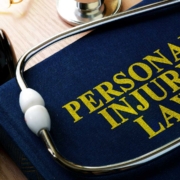
CHICAGO, IL – Chicago’s transportation is generally considered safe along with surrounding areas. However, accidents and injuries still occur. Victims of catastrophic injuries or the families of victims of wrongful death caused by a public transportation accident may be able to sue for compensation.

Illinois has various public transportation operators, including Metra, Pac and the Chicago Transit Authority (CTA), subject to common carrier law. Under Illinois law, any common carrier may potentially be held liable for a public transportation accident that results in injury and occurs due to the negligence of operators or failure to uphold their duty of care to ensure the safe transportation of passengers.

Other parties may be found at fault for an injury or wrongful death, such as:

  • The manufacturer of the bus or train.
  • The driver or conductor of the bus or train.
  • Maintenance operators or service workers for public transportation.
  • Other drivers or operators of vehicles around the bus or train.
  • Another passenger on the bus or train.

Pursuing a Claim Against Illinois Public Transportation

Filing a claim against Illinois public transportation entities is complex which is why you should consult a skilled Chicago, Illinois attorney who can advise you on how to proceed. You may need to pursue your claim against a government department or agency. Once you receive medical attention for your injuries, it’s important to start gathering details about the public transportation accident, including official reports, camera footage, witness statements, hiring records for public transportation operators, maintenance records and documentation of any injuries received.

It may be overwhelming and difficult to obtain these details by yourself, so the expertise of a skilled Illinois public transportation accident attorney can help you secure the evidence and information needed to pursue a claim and receive compensation.

Contact the Chicago, Illinois Attorneys at the Dinizulu Law Group

Series injuries can occur in a public transportation accident and it takes the assistance of an experienced Chicago, Illinois lawyer to help victims navigate the complex legal system and specifics of these intricate cases. At the Dinizulu Law Group, our attorneys understand how severe a public transportation accident can be. We put our clients first and are dedicated to advocating for our client’s legal rights and fighting for maximum compensation. Call us at (312) 384-1920 or complete this form to get started today.

Understanding Wrongful Birth Claims

CHICAGO, IL – You’ve probably heard the words “wrongful death” and “medical malpractice,” but you may not be aware of another claim that’s closely related to medical malpractice: Wrongful birth.

Wrongful birth cases, sometimes called wrongful conception, is an all-encompassing term for two kinds of claims:

In one kind of case, contraception, or some birth control device, fails, leading to an unwanted pregnancy.

In a different kind of case, a child is born with a misdiagnosed defect which, if the parents had known, they would have opted not to become pregnant, or would have opted to terminate the pregnancy, if they otherwise legally would have that option.

Failure of birth control

In the first kind of case, the defendants are often drug companies or device manufacturers, who manufacture contraceptive medicines and devices that fail.

Similarly, drug manufacturers of medicines unrelated to birth or conception must disclose that their medicines will negate, neutralize, or lessen, the effects of birth control medicines. When they do not provide this necessary information, and the interaction negates the effects of birth control, the parents of the child can sue.

The defendant can also be a medical professional, if a medical procedure, including a vasectomy, fails to prevent conception of a child when it was supposed to do so.

Proof to a jury

In these kinds of cases, there’s nothing wrong with the child; he or she is born healthy. That’s why they can be difficult cases; many people don’t see having a healthy child as being “damaged.” But the damage is the failure to safely and legally control the intimate decision to start or not start a family, a choice that is taken away in this situation— not the actual child or his or her birth.

Undiagnosed medical or genetic conditions

In the second kind of wrongful birth case, either the child or one of the parents often has a medical condition that is almost guaranteed to affect the health of the child, if born. Had the parents known of the condition, they would have opted to not have a child. This sometimes happens when a parent has an unknown genetic disease or condition, that she or he is not advised about, or which is undiagnosed.

One difficulty of these cases is that the parents must prove to a jury that had they known about the undiagnosed or misdiagnosed condition, either in the baby or in themselves, they would have opted to not have the child or to terminate the pregnancy. That is a difficult thing for many parents to say, believe, or want to do.

Still, for babies with conditions that severely impact their quality of life, or which create an enormous medical-financial hardship on parents, it is a valid element of damages and one that the law does recognize.

Contact an attorney in Chicago, Illinois

As lawyers with extensive experience in birth claims, we will help your family determine the full value of your claim and work relentlessly to recover the damages you need to take care of your child and your family. Fill out this form or call us now at (312) 384-1920 for an initial consultation.

Why You Should Not Approach a Loose Dog on the Street

CHICAGO, IL – Encountering a loose dog on the streets of Chicago can present certain risks. While many people love dogs, it’s important to remember not to approach a stray or loose dog. Doing so can lead to serious consequences, such as painful dog bites and expensive medical bills.

Approaching an unfamiliar dog can be unpredictable. Strays may have faced harsh living conditions which could result in their behavior being defensive or aggressive. You face the risk of dog bites or attacks that result in a wide range of injuries.

Loose dogs pose health concerns as their vaccination status is likely to be unknown. Attempting to pet or handle a loose dog exposes you to potential health hazards including rabies, ticks, fleas or other transmissible diseases. Without proper vaccinations, the dog and the person approaching it are at risk.

One of the top concerns after a dog bite is the risk of infection. Bacteria that inhabit a dog’s mouth can enter a person’s body through a wound. If you’re bitten by a dog, make sure to clean the wound right away. You should look for signs of an infection which may include swelling, fever, redness and warm skin. You should seek immediate medical treatment if you were bitten by a dog.

Dogs are naturally territorial animals, and a loose dog might perceive your approach as an invasion of its space. Approaching them without understanding their temperament can escalate the situation and increase the likelihood of aggression. Attempting to interact with a dog in its perceived territory can lead to defensive behaviors, putting you at risk of being bitten.

Stray dogs are often in survival mode and their instincts are to protect themselves which can lead to fear-based aggression. Approaching a loose dog may trigger a defensive response. It’s important to prioritize your safety and the dog’s well-being. Instead of interacting with a loose dog, consider contacting local animal control or rescue organizations to ensure the dog receives the appropriate care and attention it needs in a safe, controlled environment.

Chicago law requires dogs to be leashed at all times when they are not on their owner’s property. Dog owners may face hundreds of dollars in fines for violating the law, even when no on is injured. Residents can report stray dogs to Chicago Animal Care and Control, which has the authority to impound loose animals.

Contact a dog bite lawyer in Chicago, Illinois

If you have suffered a dog bite, whether from a loose animal or someone’s pet, make sure to seek medical attention right away. You should then contact a skilled Chicago dog bite attorney to learn the possibility of pursuing compensation from the dog’s owner. The Dinizulu Law Group is dedicated to helping injured dog bite victims recover damages for their medical bills and other related costs. Fill out this form or call us today at (312) 384-1920 for an initial consultation.

Civil Rights: Understanding the Deportation Process

CHICAGO, IL – The Pew Research Center reported 337,000 deportations in the 2018-2019 fiscal year. Deportation, or removal, is a complex legal process by which an individual must leave a country. This procedure involves several stages that adhere to a structured legal framework.

Initiation of proceedings

Deportation proceedings begin when immigration authorities identify an individual who is in violation of immigration laws. This could be due to various reasons, including visa expiration, criminal activity or illegal entry. Once authorities identify a potential case, they issue a Notice to Appear to the individual, outlining the charges and the reason for deportation.

Detention or release

The next step in the process hinges on the individual’s custody status. Authorities may detain some people and release others under specific conditions, such as checking in regularly. This decision will depend on factors including flight risk and the seriousness of the immigration violation.

Master calendar hearing

Individuals in deportation proceedings will attend a master calendar hearing before an immigration judge. During this hearing, they have the opportunity to admit or deny the charges against them. If an individual admits to the charges, they may be eligible for voluntary departure or other forms of relief.

Individual hearings

If an individual denies the charges, their case proceeds to an individual hearing. At this point, they can present evidence, witnesses and legal arguments to challenge their deportation. The immigration judge will render a decision based on the presented evidence.

Appeal process

After the immigration judge’s decision, there’s an avenue for appeal if the individual disagrees with the judgment. They can appeal to the Board of Immigration Appeals, which will review the case and render a final decision.

Removal order

If the decision favors deportation, the immigration authorities issue a removal order. In some cases, individuals may have the option of voluntary departure, allowing them to leave the country voluntarily within a specified timeframe. If they comply with this order, they may face fewer legal consequences in the future.

If an individual fails to leave voluntarily or comply with the removal order, the immigration authorities may take enforcement actions to remove them from the country physically. This can involve detention and coordination with law enforcement agencies.

Contact a civil rights lawyer in Chicago, Illinois

Understanding the process of deportation is important. While each case is unique, knowing the steps involved can help individuals and their families navigate this challenging process effectively. To learn more, contact our office today by filling out this form or calling (312) 384-1920 for an initial consultation with one of our civil rights lawyers.

Translate »