Archive for category: Uncategorized

Are Nursing Home Arbitration Agreements Enforceable?

CHICAGO, IL – In many parts of the country, including here in Illinois, if a loved one needs a nursing home, there may not be many options, especially if they need a specialized nursing home. When you admit your loved one, you sign a series of papers, but do you know what rights you still have? One paper the nursing home may be sneaking in is an arbitration agreement.

What’s an arbitration agreement? 

An arbitration agreement states that if you have a legal claim against the nursing home, including if the nursing home abuses or neglects your family member, you cannot go to court to sue — you must go to arbitration.

Arbitration has no jury and your case will be heard before an arbitrator, not a judge. Your right to get certain information and evidence that you may need to prove your case is also limited by the terms of the arbitration rules which are different than the rules you have in a traditional court.

You can refuse to sign an arbitration agreement, but it’s likely your family member won’t get admitted into that nursing home.

Enforcing a previously signed arbitration agreement

Generally, arbitration agreements are enforceable by Illinois courts. In the realm of healthcare, including nursing homes, courts will look much more strenuously at these agreements which gives victims an avenue to argue that the arbitration agreement shouldn’t be enforced.

Courts will also look at how clear the arbitration provision was. Some provisions of the nursing home agreement may have to be discussed with the patient or the patient’s family.

Contacting a nursing home abuse and neglect lawyer in Illinois

The signs of elder abuse can sometimes be subtle. If you have a loved one that you feel was abused or neglected in their Illinois nursing home, get help today from the attorneys at the Dinizulu Law Group. Our nursing home negligence attorneys work closely with families in Chicago, Illinois to help them seek justice for the losses following instances of elder abuse or neglect. If you believe your loved one has suffered because of negligence or abuse on the part of a nursing home, the Chicago nursing home negligence lawyers are here to help you! Fill out this form or call (312) 384-1920 for an initial consultation.


Common Emergency Room Errors

CHICAGO, IL – When you’re in the emergency room, you trust that you’ll receive prompt and competent treatment by medical professionals. However, errors occur and they can lead to catastrophic consequences. Understanding common medical malpractice issues that happen in emergency rooms is important for patients.

Misdiagnosis 

This is a typical error that happens in emergency rooms. This occurs when a healthcare provider fails to accurately identify a patient’s condition. Misdiagnosis can lead to delayed or incorrect treatment, harming the patient’s condition and potentially causing long-term pain.

Failure to order important tests

In some cases, emergency room healthcare providers may neglect to order important tests to properly evaluate a patient’s condition. Without these tests, it can be challenging to make an accurate diagnosis and develop an appropriate treatment plan. Failure to order these tests can result in a missed diagnosis and poor treatment.

Medication errors

Medication errors can include administering the wrong medication, giving incorrect dosages or failing to consider potential drug interactions. Medication errors can have severe consequences ranging from serious allergic reactions to adverse drug effects.

Delayed treatment

Emergency room overcrowding can lead to delays in treatment. When patients do not receive timely care, their conditions may gradually get worse, leading to further complications. Healthcare providers have a duty to prioritize patients based on the severity of their condition and provide prompt treatment accordingly.

Communication failures

Effective communication among healthcare providers is important in emergency room settings. Errors can occur when information isn’t properly communicated between physicians, nurses and other staff members. Communication can lead to misunderstandings, delays in treatment and patient harm.

Contact a medical malpractice attorney in Chicago, Illinois

While emergency rooms typically provide rapid and life-saving care, medical malpractice errors still happen all the time. If you or your loved one received the wrong diagnosis in the emergency room, contact the Dinizulu Law Group, Ltd. Fill out this form or call (312) 384-1920 for an initial consultation.

Internal Bleeding: Symptoms to Watch For after a Car Accident

CHICAGO, IL – Car crashes can be traumatic experiences and often leave victims in critical conditions. Internal bleeding can be a life-threatening injury that can result from a car accident and if left untreated, can have severe consequences.

The amount of people who suffer from internal bleeding in car accidents is difficult to quantify; however, internal bleeding due to physical trauma like a car crash is a leading cause of death in the United States under the age of 46. Some causes of hemorrhage, or internal bleeding, include:

  • Blunt force trauma: A sudden stop or change in direction during a car accident can cause the body to hit the vehicle’s interior, leading to damage to organs and blood vessels and potentially causing internal bleeding.
  • Seatbelt injuries: The force of the seatbelt restraining the body can lead to internal injuries.
  • Penetrating injuries: Sharp objects inside the vehicle, including glass, can penetrate the body and cause internal bleeding.
  • Whiplash: The rapid back-and-forth motion of the head and neck in a car accident can strain or tear blood vessels, leading to internal bleeding.
  • Airbag injuries: Although airbags are crucial for safety, their rapid deployment can exert significant force on the body which can cause internal injuries, particularly to the chest or abdominal area.
  • Trauma from ejection: If a person is thrown from the vehicle during a crash, the impact with the group or other objects cause catastrophic internal bleeding.

The dangers of internal bleeding

Symptoms may not always be apparent and internal bleeding can progress unnoticed until it becomes life-threatening. It can take as little as six hours for internal bleeding to lead to organ failure and death after a car crash.

The dangers associated with internal bleeding may include hypovolemic shock, organ damage, delayed diagnosis and infection risk.

Symptoms of internal bleeding

Recognizing the signs of internal bleeding can help you seek prompt medical attention. If you notice any of the following symptoms are a car accident, go to the hospital immediately to seek medical attention:

  • Abdominal pain: Persistent and severe abdominal pain after a car accident.
  • Swelling or bruising: Unexplained swelling or bruising at the impact site or elsewhere in the body.
  • Weakness and fatigue: Anemia from blood loss can lead to weakness and fatigue.
  • Dizziness or fainting: Low blood pressure from internal bleeding can cause dizziness or fainting.
  • Vomiting blood: Blood in vomit or black, tarry stools can signify gastrointestinal bleeding.
  • Difficulty breathing: Internal bleeding in the chest area may cause trouble breathing, chest pain or rapid breathing.
  • Change in mental state: Internal bleeding can affect a person’s brain function which can result in confusion, agitation or loss of consciousness.

Seeking medical attention

Prompt diagnosis and medical attention after a car accident can address potentially life-threatening conditions like internal bleeding. Receiving quick medical intervention will support your well-being and any future legal claims.

When you seek immediate medical help, doctors can conduct a series of tests, such as blood work or imaging tests, and physical examinations to diagnose internal injuries. These tests determine the appropriate treatment to address hidden injuries and provide an early record of your condition post-accident.

Establishing a clear connection between the crash and your injuries by seeking medical attention will reinforce the legitimacy of your claim. The initial medical record serves as a foundation for legal action so you’re able to recover damages for your injuries by thoroughly documenting the extent and impact of your injuries linking them to the accident.

An experienced personal injury attorney can use these documents to file a well-supported claim to help you pay for medical expenses and other damages.

Contacting a personal injury law firm in Chicago, Illinois

If you or your loved one has been injured as a result of another’s negligence, consult with the experienced legal professionals at the Dinizulu Law Group. We can review your healthcare records, get insights from expert medical witnesses and accurately assess your losses from the accident. Fill out this form or call us now at (312) 384-1920 for a free consultation so we can provide the legal support you need during your recovery journey.

The 5 Leading Causes of Traffic Fatalities in Illinois

CHICAGO, IL – Unfortunately, fatal car accidents happen daily in Illinois and across the nation. More than 36,000 people died in car accidents from motor vehicle crashes in the U.S. in 2019, according to the Federal Highway Administration. Given how much people drive, it’s not a surprise that accidents happen all the time. However, it’s not how much Americans drive, it’s about how they drive that takes the lives of others. Continue to read this blog to learn the five leading causes of traffic fatalities in Illinois and throughout the U.S.

Distracted Driving

In 2019, more than 3,100 Americans lost their lives and 400,000 other people suffered injuries in distracted driving accidents. Texting and cell phone use are the leading distractions that lead to fatal car accidents. Other top causes of car accidents include eating and drinking, applying makeup, brushing hair, reading, watching videos, talking with other passengers, using a GPS or adjusting the music.

Impaired Driving

Driving under the influence of alcohol or drugs is not only extremely dangerous, but against the law. Drunk drivers kill nearly 30 Americans daily which means every 48 minutes someone in the U.S. dies from a motorist drunk driving.

In 2017, there were 10,874 fatalities in motor vehicle crashes involving drivers with blood alcohol levels of .08 or higher (the legal limit in Illinois) which constitutes 29% of all traffic fatalities for that year. In Illinois alone, drunk drivers took the lives of 291 people in 2018.

Fatigued or Drowsy Driving

An extremely tired driver is just as dangerous as a drunk driver. A driver who has been awake for 18 hours straight experiences the same level of visual, motor and cognitive impairments as a driver with a blood-alcohol level of 0.05, according to the Centers for Disease Control and Prevention (CDC).

Drowsy driving is especially problematic for commercial truck drivers who may feel economic pressure to stay behind the wheel longer than is safe and longer than federal regulations allow. When a fatigued driver of an enormous tractor-trailer hits a much smaller passenger vehicle, the results are often catastrophic. Nodding off for just a second or two is enough time for a driver to lose control of their vehicle or fail to react to conditions around them.

Speeding

All of us drive faster than the posted speed limit from time to time. An estimated two-thirds of all drivers exceed the speed limit at any given time. Speeding dramatically increases the chance that a crash will result in the death of a driver or passenger. Someone who is speeding has less time to react to sudden stops or slowdowns ahead of them. Speeding also makes cars more susceptible to a loss of control due to weather-related road conditions.

Dangerous Road Conditions

Dangerous road and weather conditions can lead to plenty of fatal crashes which is why drivers must adjust their behavior and use even caution when driving in bad weather, through construction zones or in other hazardous conditions. Failing to account for unfavorable conditions or engaging in other behaviors like speeding or impaired driving is careless, reckless, and negligent and can be the basis for a wrongful death claim if the crash results in a fatality.

The Car Accidents Attorneys at the Dinizulu Law Group are Here to Help You!

The death of a loved one in a car accident is a loss that no amount of money can ever make up for. But grieving families deserve justice, accountability and compensation that can help them heal. The Chicago, Illinois attorneys at the Dinizulu Law Group have earned a reputation for service and success in representing and recovering substantial damages for car accident victims throughout the Chicagoland area. Fill out this form or call us now at (312) 384-1920

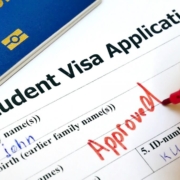
3 Important Things to Know When Getting a Student Visa

CHICAGO, IL – Navigating the complex process of obtaining a student visa as an immigrant in the U.S. can be a daunting task. However, understanding the key aspects of this journey can help ease the process. Statistics show that more than 701,000 immigrants came to the U.S. as students in 2022. Being mindful of these three key points can make it easier to go about acquiring a student visa.

Required Documentation

When applying for a student visa, it’s important to ensure you have all the necessary documentation. This includes a valid passport, a completed visa application form (Form DS-160) and the Form I-20 issued by the academic institution you plan to attend. The Form I-20 is particularly critical as it serves as proof of your acceptance and enrollment in a U.S. educational program. Applicants must also demonstrate proof of financial capability to cover tuition fees and living expenses.

Understanding Visa Interview Procedures

After submitting the required documents, applicants must attend a visa interview at the U.S. embassy or consulate in their home country. This interview is a necessary step in the visa application process which provides an opportunity for consular officers to assess the applicant’s eligibility and intentions. Be sure to prepare thoroughly for the interview by familiarizing yourself with potential questions about your academic background, reasons for studying in the U.S. and future plans upon completion of your studies.

Compliance with Visa Regulations

Once granted a student visa, you must continue to adhere to all visa regulations throughout your stay in the United States. This includes maintaining full-time enrollment in your academic program, avoiding unauthorized employment and complying with any reporting requirements specified by the U.S. Citizenship and Immigration Services. Failure to abide by these regulations can result in visa revocation or even deportation. You can stay informed about your visa obligations and seek guidance by speaking to designated school officials or immigration advisors.

Rear-End Collision Injuries and What You Can Recover

CHICAGO, IL – Rear-end crashes are the most common type of car accident, according to the Illinois Department of Transportation. Rear-end crashes have a lower risk of causing fatal injuries than other types of collisions. However, these accidents can still cause serious head, neck and back injuries due to the whipping force your body experiences.

Common Rear-End Collision Injuries

Rear-end crashes cause injuries primarily through a whipping motion. The cycle of hyperextension and compression damages the structures in your neck and back. You can also injure your head and face if you strike your skull as your head whips around. Some common rear-end collision injuries include:

  • Chest bruises can occur when your body hits your seat belt. The impact bursts blood vessels under the skin of your chest. In a severe crash, you can tear the cartilage in your chest or break a rib. Bruises cause pain, swelling and back or blue discoloration. Fortuntately, bruises usually heal within a few days with rest and home care.
  • Neck strain or sprain are the most common whiplash injuries. A neck strain happens when the whipping of your head hyperextended your neck and causes the tendons and muscles in your neck to tear. Symptoms of a neck strain include neck pain, muscle spasms and swelling, and a week or stiff neck.Ligaments hold the vertebrae of your spine together. A neck sprain occurs when hyperextension damages or tears the neck ligaments. Symptoms of a sprained neck include spine pain and inflammation, limited range of neck motion, neck bruises and a popping sensation during your accident. Neck strains and sprains will heal with rest and anti-inflammatory drugs. If you suffer a severe strain, a doctor may recommend a neck brace. Neck strains and springs rarely require surgery.
  • Bulging or herniated discs can occur when your spine compresses during a rear-end crash causing the pressure to defor the discs between the vertebrae. The disc’s interior gel can push out through the disc producing a herniation. Or the disc can collapse into a flat shape. In either case, the change in the shape of your spine can pull on the soft tissues, producing neck pain.The deformed disc can also press on nearby nerves, producing nerve inflammation. This injury can cause pain that radiates into your shoulders, arms, and hands. You may also experience weakness, numbness, and loss of dexterity in your upper limbs.

    A damaged disc will not heal. And doctors cannot repair discs with surgery. Instead, they inject anti-inflammatory drugs into your neck to reduce nerve inflammation. Or they can remove your damaged disc. They will then either replace your disc with an artificial disc or fuse the vertebrae.

Damages You Can Recover After a Rear-End Crash

If someone else was responsible for your rear-end collision, you may be entitled to compensation. Illinois law allows you to recover two types of damages: economic damages and non-economic damages. Economic damages cover financial losses, such as medical expenses, lost income, property damage, out-of-pocket expenses and rehabilitation/therapy. Non-economic damages cover non-monetary losses including pain and suffering, emotional distress, reduced quality of life, scarring and loss of consortium.

Contact a Chicago Car Accident Lawyer for Help Navigating Your Claim

Rear-end car accidents can cause a variety of injuries, ranging from minor bruises to permanent spine damage. Fill out this form or call our office today at (312) 384-1920 for a consultation to learn about your legal rights.

Understanding the Long-Term Care Ombudsman Program

CHICAGO, IL – Under the federal Older Americans Act (OAA), each state must have an Ombudsman Program that addresses complaints and advocates for improvements within the long-term care system. Every state has an Office of the State Long-Term Care Ombudsman, headed by a full-time State Long-Term Care Ombudsman who directs the program statewide. Across the nation, staff and thousands of volunteers are designated by State Ombudsmen as representatives to serve residents directly.

According to the Administration on Aging (AoA)/Administration for Community Living (ACL), the network has nearly 6,000 volunteers certified to handle complaints and more than 1,300 paid staff; nationally, the Ombudsman program investigated over 198,000 complaints in 2019 alone; and the group has provided information on long-term care to nearly another 425,000.

When someone living in a long-term care facility doesn’t have family or friends who visit them regularly, Regional Ombudsmen or Ombudsman Volunteers can be the only people available to identify a problem, report care concerns and act as a voice for those who have been neglected, forgotten or abused. Ombudspersons are advocates for residents of nursing homes, board and care homes, and assisted living facilities. They serve as a valuable resource to families, residents and staff to provide information about finding a facility and what to do to receive quality care. Most importantly, they are trained to resolve problems.

Some Frequently Asked Questions About the Ombudsman Program in 2021

The following are frequently asked questions and answers provided by the National Long-Term Care Ombudsman Resource Center:

Q: Who does the Ombudsman program represent?

The Ombudsman program’s mandate is to represent the residents and assist in their direction. The OAA requires the Ombudsman program to have resident consent before investigating a complaint or referring a complaint to another agency. In addition, when someone other than the resident files a complaint, the ombudsman must determine, to the extent possible, what the resident wants.

Q: What happens after I bring a concern to the Ombudsman program?

Suppose someone other than a resident contacts the Ombudsman program with a complaint. In that case, the ombudsman will visit the resident to see if the resident has similar concerns and wants to pursue the complaint. The ombudsman will explain the role of the program, describe the complaint investigation process, share information about residents’ rights, ask about the resident’s quality of life and care, and seek to understand the resident’s capacity to make decisions. As a result, many residents, even residents with dementia, can express their wishes.

If the resident wants the ombudsman to act on the problem, the ombudsman will investigate the complaint and continue communicating with the resident throughout the investigation process. If the resident cannot provide consent, the ombudsman will work with the resident representative or follow program policies and procedures if the resident does not have a representative.

Q: What types of complaints does the Ombudsman program investigate?

Ombudspersons handle a variety of complaints about the quality of life and care. Not all complaints are about the care provided by a facility, and some complaints are about outside agencies, services, or individuals (i.e. Medicaid or Medicare benefits). They can also receive and respond to complaints from individuals other than the resident (i.e. family members) but still need resident permission to investigate or share information.

Q: Do ombudspersons investigate complaints involving allegations of abuse, neglect, and exploitation?

Yes. The Ombudsman program investigates and resolves complaints that “relate to action, inaction or decisions that may adversely affect the health, safety, welfare, or rights of the residents,” and that includes complaints about abuse, neglect and exploitation.

Ombudsmen are directed by resident goals for complaint resolution and are limited by federal disclosure requirements. Therefore, the Ombudsman program’s role in investigating abuse allegations is unique and differs from other entities such as adult protective services and state licensing and certification agencies.

Ombudsman programs attempt to resolve complaints to the residents’ satisfaction (including those regarding abuse) and do not gather evidence to substantiate that abuse occurred or determine if a law or regulation was violated to enforce a penalty.

If necessary, with resident consent or permission of the State Ombudsman, if the resident can’t consent and does not have a legal representative, the ombudsman will disclose resident-identifying information to the appropriate agency or agencies for regulatory oversight; protective services; access to administrative, legal, or other remedies; or law enforcement action about the alleged abuse, neglect or exploitation.

Q: Is the Ombudsman program required to report allegations of abuse?

There are strict federal requirements regarding the disclosure of the Ombudsman program information. For example, resident-identifying information cannot be disclosed without resident consent, the consent of the resident representative, or a court order. Therefore, these disclosure requirements prohibit Ombudsman programs from being mandatory reporters of suspected abuse.

Q: How do I find more information about the Ombudsman program and contact an ombudsman?

Visit the National Long-Term Care Ombudsman Resource Center (NORC) website (www.ltcombudsman.org) to learn more about the program.  To locate an Ombudsman program, click on “Visit Our Map.”

Working with the Illinois Long-Term Care Ombudsman Program

The individuals working through the Illinois Long-Term Care Ombudsman Program are crucial in protecting the rights of residents who are disabled, abused, neglected and those without family and who may have a hard time advocating for themselves. Ombudsmen oversee assigned regions across the state and stay focused on these six primary goals.

  1. Advocating to improve the quality of care and quality of life for residents of long-term care facilities in Illinois.
  2. Empowering seniors and adults with disabilities to self-advocate.
  3. Providing information to residents about residents’ rights, long-term care options, supports and services in nursing facilities and the community.
  4. Investigating complaints and concerns. Ombudsmen will work to resolve complaints to the satisfaction of residents.
  5. Listening to understand an issue from the resident’s perspective.
  6. Maintaining confidentiality. Ombudsmen may not discuss or disclose any information without the individual’s permission.

Nearly 20 regional Ombudsmen and Deputy State Long-Term Care Ombudsmen and consultants, dozens of volunteers, and accompanying provider agencies support the state of Illinois and work to uncover the more complex and challenging issues plaguing nursing homes today. This might include insufficient staffing, medication errors, wrongful eviction, infectious disease concerns related to COVID-19, and neglect and abuse claims.

Since Ombudsman services are free to most, current nursing home residents, family members, and friends can contact them without financial stressors. In Illinois, the Ombudsman program services are available free of charge to:

  • Person(s) 18 or older who is/are either a current resident, a prospective resident or a former resident of a long-term care facility;
  • Friends and relatives of persons who live in long-term care facilities;
  • Long-term care facility staff members and administrators with resident-related concerns;
  • Individuals and families who are considering long-term care facility placement as a long-term care option;
  • The community-at-large; and
  • Other interested groups are concerned about the welfare of residents of long-term care facilities.

Ombudsman Program contact information is available through the Illinois Department of Aging and categorized by regions and counties served.

Contacting a Local Ombudsman in Your Community

Several trained volunteers identified through the Long-Term Care Ombudsman Program also advocate for working through common resident complaints related to food, room accommodations and facility accessibility. Still, they are also present to listen to residents while having regular friendly and trusted visits. Ombudsman Program volunteers are beneficial to residents who may not have family or friends who visit them often as these residents are more likely to be abused and neglected.

Please know in advance that Ombudsman programs do not:

  • Conduct licensing and regulatory inspections or investigations;
  • Perform Adult Protective Services (APS) investigations; or
  • Provide direct care for residents.

Contacting an Illinois Injury Lawyer to Protect the Rights of Long-Term Care Residents

The Illinois Ombudsman Program was mandated under the Federal Older Americans Act and the Illinois Act on Aging.  While Ombudsmen can play a significant role in advocating for those in nursing homes, some situations in violation of those Acts will require the attention of an experienced attorney. The nursing home lawyers at the Dinizulu Law Group are here to guide you as we seek justice and fair compensation. Fill out this form or call us at (312) 384-1920 to learn more about your legal options today.

What Constitutes as Police Brutality in Illinois?

CHICAGO, IL – Police brutality is a serious issue that continues to raise eyebrows around the Chicagoland area and the U.S. Police brutality can be summarized as the excessive use of force, misconduct by law enforcement officers towards civilians or abuse of power. If you have suffered a personal injury in Illinois because of police brutality, contact our seasoned lawyers to obtain the legal representation you need and deserve.

Excessive Use of Force

An essential element of police brutality includes the excessive use of force by law enforcement officers. In Chicago, police officers are authorized to protect themselves or others from harm. However, force must be proportionate to the threat faced, and officers must follow established guidelines and training. When force exceeds what is reasonably necessary, such as unnecessary physical violence, it may constitute police brutality.

Racial Profiling and Discrimination

Another key aspect of police brutality in Chicago involves racial profiling and discrimination. Police misconduct includes when law enforcement officers disproportionately target people based on their race, ethnicity or other protected characteristics. Racial profiling undermines trust in law enforcement and violates constitutional rights, including the Fourth Amendment’s protection against unreasonable searches and seizures.

Accountability

Individuals have the right to seek legal remedies and hold law enforcement officers accountable which may involve filing a complaint with the Chicago Police Department’s Internal Affairs Division. Civil lawsuits may also be pursued by seeking compensation for physical injuries, violation of constitutional rights or emotional distress. Criminal charges can be brought against law enforcement officers involved in cases of egregious misconduct.

Contact a Personal Injury Lawyer in Chicago, Illinois

Police brutality in Chicago often involves excessive use of force, racial profiling and other forms of misconduct. Contact our office today to understand the legal framework and available legal remedies to seek justice and promote accountability. Fill out this form or call us now at (312) 384-1920 to get started on your legal endeavor today.

How Bodycam Footage Can Affect Police Misconduct Cases

CHICAGO, IL – The struggles against police misconduct and brutality is felt in Chicago which is why bodycam footage has become instrumental in ensuring those charged with protecting and serving don’t overstep their mandate. If you’ve been a victim of police misconduct, bodycam footage is a crucial element in your civil rights lawsuit; however, this isn’t your only key to a successful case.

If you feel you’re being treated unjustly, bodycam footage has the potential to hold police officers accountable for their actions. Having an unbiased eye that sees everything as it happens can make or break your case because it shows exactly what happened.

Bodycam Footage as Legal Evidence

Bodycam footage is recorded by police officers during their duties which offers a first-hand perspective of the incident. Bodycam footage shows clear evidence of what actually happened. To be admissable in court, the footage must meet specific legal standards of relevance and authenticity which include:

  • Relevance – the footage must directly pertain to the case.
  • Authenticity – the footage must be genuine, unedited and trustworthy.
  • Chain of Custody – the footage must have a clear tracking from capture to court to prevent tampering.

Challenges Using Bodycam Footage

Bodycam footage is invaluable; however, securing it has some obstacles such as:

  • Accessibility – there’s often a maze of red tape to navigate for access.
  • Inconclusive nature – the footage might miss key moments or provide a limited viewpoint.
  • Integrity questions – doubts about editing or the chain of custody can undermine its effectiveness in court.

Because of these hurdles, it’s important to seek legal counsel if you wish to pursue a civil rights lawsuit against a police department.

Contact the Police Misconduct Attorneys at the Dinizulu Law Group in Illinois

Bodycam footage is a critical tool to prove police misconduct in Chicago, Illinois. The footage offers a tangible piece of evidence in disputes that often rely heavily on personal accounts. If you’re considering legal action against a Chicago police department, contact the seasoned attorneys at the Dinizulu Law Group today! Our attorneys ensure justice and uphold civil rights for our clients. Fill out this form or call us at (312) 384-1920 to learn how we can best support you.

Can Wrongful Death Plaintiffs Recover Punitive Damages in Illinois?

CHICAGO, IL – In August 2023, Illinois made a change to the law that impacts wrongful death lawsuits. Previously, the law barred individuals from seeking punitive damages in wrongful death cases. Under the amended law, a plaintiff can now recover punitive damages in a wrongful death claim.

The new statute carved out exceptions so that punitive damages still are not available in medical or legal malpractice cases against state or local government entities and employees acting in their official capacities.

What are Punitive Damages?

Damages refer to the compensation a plaintiff receives when they win or settle a lawsuit. Compensatory damages are awarded to compensate the plaintiff for their injuries whereas punitive damages are designed to punish the defendant and prevent them from committing the same conduct again. Punitive damages are awarded in cases of gross negligence. For example, when a driver injures another driver while they are drunk. The plaintiff can sue for gross negligence, or negligence that goes beyond what would be considered ordinary negligence.

Gross Negligence vs. Ordinary Negligence

Ordinary negligence occurs when an individual fails to take precautions that another individual, in their place, would have taken. Examples of this include running a red light, tailgating or speeding.

Gross negligence goes above and beyond ordinary negligence. A plaintiff alleging gross negligence must establish that the defendant showed reckless disregard for the safety of others making a potential injury inevitable. You must establish gross negligence to win punitive damages. Examples of gross negligence include reckless driving or operating a vehicle while under the influence of drugs or alcohol.

How to Prove Gross Negligence

To prove negligence, you must establish the following occurred:

  • Duty – the defendant owed the plaintiff a duty of care.
  • Breach – the defendant failed to render an ordinary duty of care.
  • Causation – the breach directly led to the plaintiff’s injuries.
  • Injury – the plaintiff sustained injuries as a result of the breach.

Contact the Dinizulu Law Group in Chicago, Illinois

Proving gross negligence requires extensive experience as an attorney. If someone you loved has died due to the gross negligence of another individual, contact the lawyers at the Dinizulu Law Group to help you recover damages. Call our office located in Chicago to schedule a consultation to begin discussing your lawsuit immediately. Fill out this form or call us at (312) 384-1920 to get started today.

Translate »