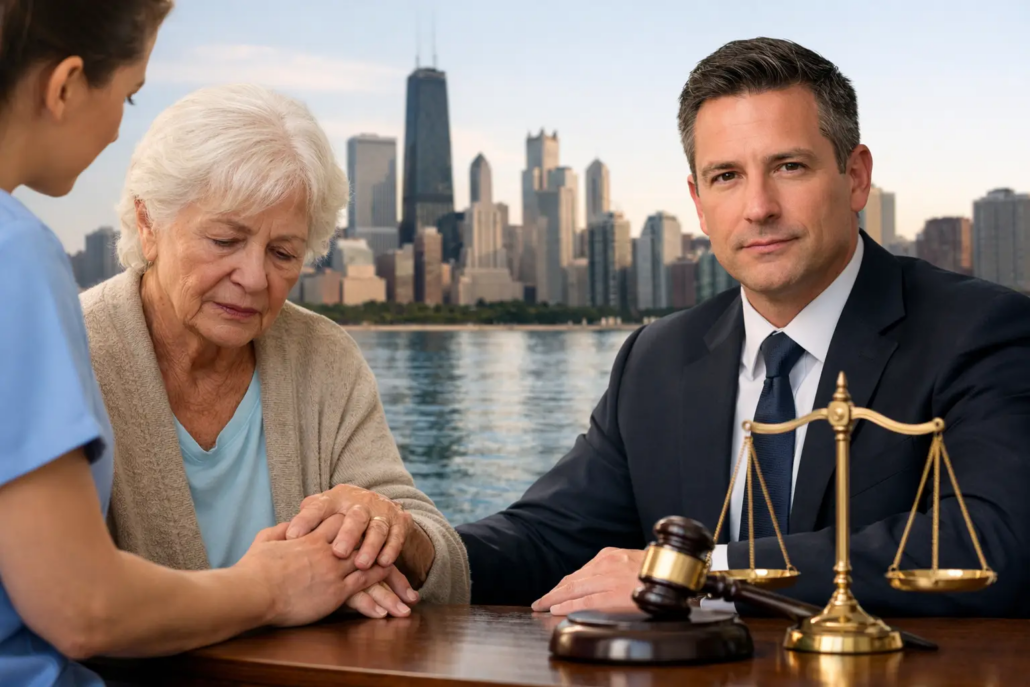
Chicago Nursing Home Abuse Attorney Guide
Choosing a nursing home is supposed to bring peace of mind. When that trust is broken, families are left with something far heavier – fear, anger, and the sickening question of how long the abuse or neglect has been happening. A Chicago nursing home abuse attorney helps families move from suspicion to action by investigating what happened, protecting vulnerable residents, and demanding accountability from facilities that failed in their duty of care.
Nursing home abuse cases are rarely simple. Many residents live with dementia, mobility limitations, communication challenges, or serious medical conditions that make them easy targets for mistreatment and less able to report it. Facilities and their insurers often try to explain away injuries as accidents, age-related decline, or unavoidable complications. That is exactly why early legal intervention matters.
When to call a Chicago nursing home abuse attorney
Families often wait too long because they are not sure whether what they are seeing is legally actionable. The truth is that abuse and neglect take many forms, and not every case involves obvious violence. A resident who is repeatedly left unclean, dehydrated, overmedicated, isolated, or ignored may be suffering serious harm even without visible bruises.
Warning signs can include bedsores, unexplained fractures, sudden weight loss, frequent falls, poor hygiene, medication errors, emotional withdrawal, repeated infections, and abrupt personality changes. Financial abuse is another concern, especially when residents are pressured into signing documents, making withdrawals, or changing financial arrangements they do not understand.
A strong legal claim usually turns on proof, not just suspicion. If you notice a pattern of injuries, staff evasiveness, inconsistent charting, or a sudden decline after admission, it is wise to speak with an attorney quickly. Waiting can make evidence harder to preserve, especially when records change hands, staff members leave, or surveillance footage is erased.
Abuse and neglect are not the same, but both can support a claim
In nursing home litigation, the difference between abuse and neglect matters, but both can cause devastating harm. Abuse generally involves intentional conduct such as hitting, humiliating, restraining, threatening, or sexually assaulting a resident. Neglect usually involves a failure to provide proper care, supervision, nutrition, sanitation, medication, or medical attention.
That distinction affects how a case is investigated and what evidence matters most. In an abuse case, the focus may be on witness accounts, prior complaints against a staff member, security footage, and physical injuries. In a neglect case, the investigation often centers on understaffing, poor training, falsified records, missed care plans, and systemic facility failures.
Many cases involve both. A resident may be neglected because a facility is chronically understaffed, then abused by a frustrated or poorly supervised employee. Families should not feel pressured to label the conduct perfectly before seeking help. A lawyer’s job is to investigate the facts and identify every legal theory that fits.
What a nursing home case in Chicago usually involves
A nursing home abuse case is more than a complaint against one caregiver. In many situations, the deeper problem is institutional. The facility may have cut corners on staffing, ignored background checks, failed to train workers, or overlooked repeated reports of dangerous conduct.
That is why a serious case review typically looks at the resident’s medical records, care plans, incident reports, medication administration logs, staffing schedules, inspection history, internal policies, and communications with the family. In some cases, expert review is needed to show how the facility departed from accepted standards of care and how those failures caused injury.
Illinois law provides protections for nursing home residents, but asserting those rights takes work. Nursing homes and their insurance carriers do not hand over responsibility willingly. They often argue that a resident’s condition was inevitable because of age or preexisting illness. Sometimes that defense has partial truth. Frail residents are medically vulnerable. But vulnerability does not excuse preventable harm. If a resident developed severe pressure injuries because staff failed to turn them, monitor skin breakdown, or provide timely treatment, that is not simply old age. That is a care failure.
Why these cases require urgency
Time matters in every injury case, but it matters even more when the victim is an elderly resident in a care facility. The immediate priority is often safety. If your loved one is still in danger, legal guidance can work alongside practical steps like documenting injuries, requesting records, raising concerns in writing, and considering a transfer.
The legal side is urgent for another reason. Nursing home cases depend heavily on documentation, and documentation can disappear or become harder to challenge over time. Memories fade. Witnesses move on. A facility that knows a claim is coming may become defensive and less cooperative.
Prompt action also helps families avoid costly mistakes when speaking with administrators or insurers. It is common for facilities to ask families to sign forms, accept internal explanations, or discuss the matter before the full facts are known. A careful legal review can protect your position while the evidence is still fresh.
Compensation is about more than medical bills
Families sometimes hesitate to contact a lawyer because they do not want to seem focused on money. That concern is understandable, especially when the deeper wound is betrayal. But compensation in these cases serves an important purpose. It can help pay for hospitalization, corrective treatment, rehabilitation, relocation to a safer facility, and other losses caused by the abuse or neglect.
It also recognizes pain, suffering, emotional trauma, disability, and loss of dignity. In fatal cases, surviving family members may have grounds for a wrongful death claim. While no case result can reverse what happened, financial accountability can force institutions to answer for conduct they would otherwise minimize.
The value of a claim depends on several factors, including the severity of the injuries, whether the conduct was repeated, the resident’s prognosis, the available records, and whether the evidence points to isolated misconduct or broader facility negligence. Strong cases are built carefully, not rushed, and honest legal counsel should explain both the strengths and the challenges.
What families can do right now
If you suspect nursing home abuse, trust your observations. Families are often the first to notice that something is wrong. Start documenting what you see. Photograph visible injuries or unsafe conditions if appropriate. Write down dates, names of staff involved, and any explanations the facility gave you. Save emails, billing records, discharge paperwork, and medical updates.
If your loved one can speak about what happened, listen calmly and avoid leading questions. Their words may later matter. If they cannot communicate clearly, changes in behavior still matter. Fear around specific staff members, flinching during care, unusual sedation, or sudden silence can all be warning signs.
At the same time, be realistic about the emotional difficulty of these cases. Families often feel guilt for trusting the facility in the first place. That guilt belongs nowhere near the victim’s side. Responsibility rests with the people and institutions that accepted payment and a legal duty to provide safe care.
Choosing the right Chicago nursing home abuse attorney
Not every personal injury firm is built for this work. Nursing home litigation requires sensitivity, persistence, and a willingness to challenge corporations, insurers, and care institutions that often have significant resources behind them. Families should look for a lawyer who treats the case as both a legal matter and a human one.
That means clear communication, honest expectations, and real trial strength if settlement talks fail. It also means understanding the lived realities many Chicago families bring into these cases – distrust of institutions, fear of retaliation, language barriers, and concern that their loved one will be treated like a file instead of a person.
A firm like Dinizulu Law Group, Ltd may be a strong fit for families seeking both compassionate support and relentless advocacy. The right attorney should make the process easier to understand, not harder, and should move with urgency when a resident’s safety and dignity are on the line.
Accountability can protect other families too
One nursing home abuse case can expose much more than a single incident. It can reveal understaffing, ignored complaints, poor supervision, or a pattern of residents being harmed in similar ways. That is part of why these claims matter beyond one family’s recovery. They can pressure facilities to change practices, remove dangerous employees, and take resident care seriously.
For many families, legal action starts as a way to get answers. Over time, it becomes something more – a way to insist that elders deserve respect, protection, and competent care at every stage of life. If you believe your loved one has been harmed, do not wait for the situation to explain itself. Ask questions, preserve what you can, and get guidance from someone prepared to fight for justice with dignity.


