Archive for category: Blog

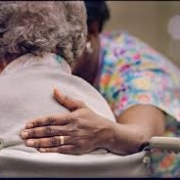
Ex-Nursing Home Employee Alleges Neglect, Filthy Living Conditions in Illinois Nursing Home

CHICAGO, IL – A former employee at the River Crossing of Moline alleges neglect of residents and filthy living conditions at the nursing home located at 7300 34th Avenue. Kimberly Howell wrote in her resignation letter to the administrator that residents were mistreated and common areas were filled with bags of dirty laundry that belonged to residents that were left unattended for weeks.

“You are the director of a long-term care facility that houses the most vulnerable, the elderly, in excess of 100 of them,” she wrote to Administrator Tara Wassell. “I have been working for over 40 years and I have never seen a business of any kind that is more filthy than River Crossing of Moline.”

Howell served as the Human Resources Director and was required to comply with federal and state laws to report her observations. She filed complaints with the Illinois Department of Public Health on February 25 and March 3 reporting unsanitary conditions at the nursing home facility and alleged neglect.

Last year alone, River Crossing of Moline was assessed more than $260,000 in federal fines by Medicare for violations related to neglect and abuse of residents. IDPH fined them an additional $50,000 and cited the facility for 10 licensure violations related to the abuse and neglect of two residents.

Medicare complaints include: failing to report possible suicidal behavior exhibited by an elderly male resident; failing to construct a secure barrier between the COVID-19 positive unit and the non-COVID unit; failure to provide dedicated staff for the COVID-19 unit; failure of staff to follow COVID-19 personal protective equipment protocols; an incident where a male resident was given water through a feeding tube while he was laying down, resulting in him choking and turning red; and a sanitary inspection that reported a filthy kitchen, dirty oven, and refrigerators that had the presence of brown, sticky substances.

How to report nursing home neglect or abuse in Illinois

If you have reason to believe your parent or loved one is the victim of neglect or nursing home abuse, you need to act quickly. By contacting the experienced nursing home abuse lawyers at the Dinizulu Law Group, we will quickly investigate and get your loved one out of harm’s way. According to IDPH, there are more than 19,000 allegations of neglect or abuse in Illinois nursing homes each year. Our team of trusted lawyers is here to help you. Call us now at (312) 384-1920 for a free consultation.  

How You May Be Entitled to Compensation for Medical Malpractice in Illinois

CHICAGO, IL – Medical errors are an unfortunate part of the medical system and an area that is flawed. Unfortunately, medical errors are oftentimes a result of a provider’s negligence. A patient could be left with debilitating conditions that significantly impact their quality of life. Many injuries caused by medical negligence are long-lasting and sometimes permanent. If you’ve fallen victim to medical malpractice, you should seek legal help immediately.

In 2019, Diederich Healthcare reported more than $4 billion was paid in medical malpractice claims nationwide. Any deviation from the standard of care as a result of carelessness is considering medical malpractice.

Causes of medical malpractice

Any deviation from the standard of care as a result of carelessness is considering medical malpractice. Doctors are trusted members of society who take an oath to do no harm when they treat patients. 

Many injuries, illnesses and scenarios can be attributed to a medical malpractice lawsuit. Some of the most common causes of medical malpractice lawsuits include:

  • Anesthesia errors
  • Childbirth injuries
  • Defective medical equipment
  • Failure to treat
  • Medication errors
  • Misdiagnosis
  • Surgical errors

How to prove medical malpractice

Standards and regulations in regards to medical malpractice differs among states; however, the basic requirement to prove medical malpractice requires various important elements that you must demonstrate. You must prove that:

  • A doctor-patient relationship existed by either agreement or treatment received
  • A duty or standard of care was established
  • A breach of the duty of care occurred by a medical provider(s) not upholding his/her/their obligations
  • The breach of care was the primary case of injury which can be proven by medical records and expert testimony
  • The injury caused damages

Statute of Limitations in Illinois

In the state of Illinois, the statute of limitations gives a patient two years from the date of discovery to file a medical malpractice claim against a healthcare professional(s) for medical error and damage. Children under the age of 18 who are injured by medical malpractice have up to eight years from the date the treatment caused their injuries; however, the child must file a medical malpractice claim prior to their 22nd birthday. It’s important to consult with an experienced medical malpractice attorney in Chicago, Illinois so they can look at the facts of your case and tell you what your statute of limitations are.

Damages in medical malpractice claims in Illinois

The purpose of compensatory damages is to compensate the injured person for the harm done due to their negligence in an attempt to restore the individual. Many times, injuries leave the victim with long-term medical care, time away from work, amongst other setbacks. 

Economic Damages

Economic losses are those that have a direct financial impact on the injured person. Examples of economic damages include:

  • Future medical expenses caused by substandard medical care
  • Medical bills to treat the injury
  • Loss of income
  • Future loss of income, or decreased earning capacity

Non-Economic Damages

Non-economic losses are unmeasurable in terms of losses. Types of non-economic losses an injured victim may experience after negligent medical malpractice includes:

  • Disability
  • Disfigurement
  • Loss of a normal life (past and future)
  • Pain and suffering (past and future)

Nominal Damages

These damages are available in unusual cases which award the victim a low dollar amount to recognize the wrongful conduct the defendant caused, even if there was little to no economic loss including extra medical bills or additional lost wages.

What to do if you experienced medical malpractice

Despite the preventative measures healthcare providers take, medical errors occur. Medical errors are the third leading cause of death in the United States according to Johns Hopkins. Medical malpractice involves both medicine and law and can be challenging to prove. The skilled medical malpractice attorneys at the Dinizulu Law Group are ready to help you. Call us now at (312) 384-1920 for a free consultation.

Common Dental Injuries in Personal Injury Lawsuits

CHICAGO, IL – Injury accidents can happen anywhere. When negligence is the reason, catastrophic injuries can often be the result – even from dental injuries. Dental injuries are rarely life-threatening, but it may require invasive and intensive medical treatment and surgery, reconstruction, pain and suffering, and time to recover.

What dental or mouth injuries occur from personal injury accidents?

Some of the most common dental injuries and trauma to the mouth happen after injury accident occur. Car accidents, for example, are the leading reason for severe accidents that result in head injuries. When the head takes on too much impact causing your brain to smash into your skull, it can damage brain tissue and lead to traumatic brain injury (TBI).

Dental injuries can cause a tremendous amount of pain that can lead to facial disfigurement. For example, eating solid foods may be restricted until the dental injury is treated and healed.

Common dental injuries that can happen after an accident may include, but is not limited to:

  • Avulsed teeth being knocked out of the month
  • Broken teeth
  • Chips in teeth
  • Contusions
  • Displaced teeth
  • Lacerations and cuts to the gums, lips, and tongue
  • Portions of tongue missing
  • Punctures

If you suffered dental and mouth damage from a car accident or other personal injury accident, consulting with a dentist or dental surgeon may be necessary depending on how severe your injuries are. The cost of treatment, medication and time away from work are just a few expenses that will need to be accounted for.

Common Causes of Mouth Injuries

Every personal injury case is different and comes with its own unique set of circumstances; however, there are clear trends when it comes to personal injury cases in terms of their cause. While someone can suffer from a dental or mouth injury in various ways, many cases involve the following:

  • Motor vehicle accidents
  • Slip and fall injuries
  • On-the-job accidents

Speak to a Personal Injury Attorney at the Dinizulu Law Group

You have rights after an injury accident, especially if it was caused by another’s negligence. To learn more about what you can do to obtain financial compensation you need to pay for damages, call the personal injury law firm at the Dinizulu Law Group now to schedule a free consultation at (312) 384-1920.

Baby Formula Shortages Worsen Amid Recall, Supply Chain Issues

CHICAGO, IL – Families across the country are scattering grocery stories and pharmacies in hopes of finding formula for their children.

In February, the FDA issued a recall on Similac, Alimentum, and EleCare forumla which are all manufactured by Abbott Nutrition.

Pre-pandemic supply chain issues were already causing problems before the recall. Stores are now forced to put purchasing limits on the supplies they do have.

“This isn’t just some minor product that people don’t need. This is food for our children, our babies need this,” one mom told WISN 12 News.

An Abbott Laboratories spokesperson mentioned the companies doing everything they can to address the supply shortage and actions are being taken including increasing the production of Similac formulas at other FDA-registered facilities, prioritizing the production of other Abbott liquod products to Similac and Alimentium to make more ready-to-feed liquid formula available, amongst other actions.

How to check if your formula was part of the recall

If your product is part of the recall, it will meet all three criteria below:

  • The first two digits of the lot number start with 22 through 37. This doesn’t include the letter at the start of the lot number.
  • The lot number contains one of the following: K8, SH, Z2.
  • The expiration date is April 1, 2022 or later.

The FDA has a list of recalled products on their website that you can visit here.

Should I throw away recalled formula?

Do not throw away any formula you may have. You should check if you have a Similac product that’s included in the call. If it’s not included in the recall, your product is safe to use.

If your specific product is listed in the recall, do not use it. You should not throw this out because you’ll need it to receive a refund.

10 Most Overlooked Medical Conditions

CHICAGO, IL – A recent study published by JAMA Network Open shows the top ten most missed medical diagnoses. After combing through data from patient safety incident reports, malpractice claims, morbidity and mortality rounds, and focus group responses, researchers found nearly 840 diagnostic errors used to identify the most common or delayed diagnoses.

Nearly 12 million American adults are misdiagnosed each year in outpatient settings which equates to nearly 5 percent of patients, though experts say this number is likely higher. The National Academies of Science, Engineering, and Medicine states that most people will experienced a missed or delayed diagnosis in their lifetime, sometimes with catastrophic consequences.

What are the top 10 most common missed or delayed diagnosis by medical condition?

  1. Colorectal cancer
  2. Lung cancer
  3. Breast cancer
  4. Myocardial infarction (heart attack)
  5. Prostate cancer
  6. Stroke
  7. Sepsis
  8. Bladder cancer
  9. Plmonary embolism
  10. Brain hemorrhage

How to diagnostic errors occur?

There are a number of reasons that diagnostic errors can occur including a miscommunication between the doctor and the patient. The patent may fail to accurately describe their symptoms, or the doctor may overlook something in the patient’s medical history. In other circumstances, the incorrect test can be ordered or read incorrectly. Data in electronic medical records are often disorganized and sometimes referrals aren’t followed up on.

A patient can also present with atypical symptoms. For example, if a person enters the emergency room and explains stroke-like symptoms including weakness on one side of their body, this is rarely missed; however, if someone mentioned they were dizzy, nearly 40% of doctors miss that this is a myriad of causes – stroke being one of them.

Not every missed diagnosis is fatal to a patient’s long-term health. Back pain may be misdiagnoses as a muscle strain when it’s really osteoarthritis. In other events, infections and cancer tend to be diseases where if you miss them, the consequences for the patient can be devastating and life altering

How can patients help prevent a misdiagnosis?

Make sure that you prepare for your appointments. Think of some of the symptoms and concerns you have before entering the doctor’s office. If it helps, write it down so you don’t forget! It’s important to make note of the onset of your symptoms and your pain level. The more detail you provide to your doctor, the more time they’re able to think about the problem and less time gathering information.

It’s also important to ask questions and advocate for yourself. You should know why certain conditions are being ruled out. If you tell your doctor you’re experiencing frequent headaches and they diagnosis you with cluster headaches, make sure to ask why it’s not a migraine. 

Finally, make sure you follow up with your doctor if your condition doesn’t improve. Patients’ voices are extremely important in the diagnostic process. Make sure to keep a track record of test results, referrals, and hospital admissions.

When to get a second opinion

If your condition doesn’t get better or you’re suspicious of a diagnosis and want to confirm it, you should consider getting a second opinion from another physician, or a specialist. Nearly 20% of people who seek a second opinion receive a different diagnosis from the first, according to the Mayo Clinic. 

Make sure to bring all necessary documentation to your important, including details from your previous diagnosis which should include test results and recommended treatment plans.

Supreme Court draft opinion would overturn Roe v. Wade

CHICAGO, IL – The U.S. Supreme Court has voted to strike down the landmark Roe v. Wade decision, per an initial draft majority opinion written by Justice Samuel Alito which was circulated inside the Court.

In 1973, Jane Roe filed a lawsuit against Henry Wade, District Attorney of Dallas County, where she resided, challenging a Texas law making abortion illegal expect by a doctor’s orders to save a woman’s life. In the lawsuit, Roe alleged that the state laws were unconstitutionally vague and abridged her right of personal privacy, which is protected by the First, Fourth, Fifth, Ninth, and Fourteenth Amendments.

The draft guaranteed federal constitutional protections of abortion rights and a subsequent 1992 decision – Planned Parenthood v. Casey – that largely maintained the right.

“We hold that Roe and Casey must be overruled,” Alito wrote claiming the “Opinion of the Court.” Joined by justices Clarence Thomas, Neil Gorsuch, Brett Kavanaugh, and Amy Coney Barrett stated, “We hold that Roe and Casey must be overruled.”

Chief Justice John Roberts asked the marshal of the U.S. Supreme Court to launch an investigation into the leaked draft opinion that suggests the high court is prepared to strike down the landmark 1973 ruling making abortion legal in all 50 states.

While not binding until its published, the leaked opinion provides a window into the high court’s thinking.

In the case at hand, which was argued in December, Mississippi asked the Supreme Court to overturn Roe v. Wade and uphold the state law that bans abortions after 15 weeks of gestation.

Cameras in Private Nursing Home Rooms

CHICAGO, IL – Nursing homes have a tale as old as time of how bad residents are abused and neglected in the United States. Sadly, nursing home abuse is just one part of the larger problem at nursing home facilities. More than 5 million people are affected by elder abuse every single year. Cameras in nursing homes continue to regularly exposure the abuse and neglect that innocent residents face daily.

Who can put a camera in their nursing home?

Depending on the nursing home, cameras can be installed in the residents’ room which adds an extra layer of security for family members who are afraid of nursing home abuse.

To no surprise, many nursing home administrators don’t like resident’s having cameras in their private rooms, fearing the cameras invade the privacy of staff members and other residents.

As of 2022, fourteen states allow nursing home residents to have cameras in their private rooms. States include:

  • Connecticut
  • Illinois
  • Kansas
  • Louisana
  • Maryland
  • Minnesota
  • Missouri
  • New Jersey
  • New Mexico
  • Ohio
  • Oklahoma
  • Texas
  • Utah
  • Washington

You will also need to follow the protocols set forth under state law. Over a dozen other states are considering laws that would allow nursing home camera in residents’ rooms. If you do not live in one of the listed states but are interested in installing a camera in your loved ones private nursing home room, you must get permission from the nursing home administrator or supervisor.

Small secret cameras can be disguised as small fans, cell phone charges, picture frames, and more to avoid detection. Family members should be sure to set up the camera to catch a full view of the room to ensure their loved ones safety.

The future of hidden cameras

As more laws about nursing home cameras are considered, lawmakers must find a balance between the safety and privacy of residents.

Esther’s Law – named and inspired after Esther Piskor – went into effect in March 2022. In 2011, 78-year-old nursing home resident Esther Piskor was verbally and physically abused by staff members at the facility she lived at. A hidden camera captured the horrifying incident that sent two staff members to jail. Esther’s Law allows cameras in nursing homes with the consent of the resident (or their family) and any roommates involved.

If the roommate or their family doesn’t agree to the camera, the nursing home must help the resident that wants one move to a different room.

More laws are continued to be debated or passed to allow cameras in long-term care facilities. As technology continues to advance, more states may allow cameras to keep residents safe.

Woman Dies in Hospital from Injuries A Month After Collision with Semi Truck in Lake Zurich, Illinois

CHICAGO, IL – An 85-year-old woman died last weekend in the hospital after suffering multiple injuries from a car accident involving a semi-tractor trailer in Lake Zurich, Illinois. The medical examiner said she died at Advocate Lutheran General Hospital in Park Ridge last Sunday. 

On March 23, the Lake Zurich Police Department and the Lake Zurich Fire/Rescue Department responded to a crash around 8:30 AM on Route 12 and Cuba Road.

Eugina Economos was trapped inside her vehicle and it took firefighters 13 minutes to free her, according to Lake Zurich’s Deputy Fire Chief John Kelly.

Economos hit the rear semi-truck when it was traveling southbound on Route 12 through the intersection. The impact of the crash caused Economos Saturn passenger vehicle to slide into a pole. 

She suffered upper and lower extremity injuries, including a head injury. 

Difference Between Personal Injury and Wrongful Death Claims

CHICAGO, IL – When an innocent individual dies from catastrophic injuries caused by another’s negligence or intentional act, surviving family members can seek compensation for a wrongful death claim. While the individual may have passed away from injuries, wrongful death claims differ from personal injury claims.

What is a wrongful death claim?

A wrongful death claim is a civil cause of action brought by family members and dependents against individuals who knowingly or negligently cause the death of another person (Cornell Law School).

What damages can be recovered in a wrongful death claim?

Illinois law requires that a wrongful death claim be brought  by the victim’s estate, meaning whoever is serving as the estate executor or administrator is responsible for bringing forth the claim. If there are multiple surviving family members are dependent on the deceased for financial support, the recovery will be allocated accordingly.

Damages that can be recovered in Illinois include payment for the deceased medical bills before their death, as well as non-economic damages such as pain and suffering. Additional compensation is available as a result of a loved ones death like compensation for the loss of financial support, grief, sorrow, mental suffering, and loss of companionship.

How does wrongful death claims differ from personal injury claims?

While both claims are based on negligence, wrongful death claims differ from personal injury claims in a variety of ways. The victim of negligence who has passed away has died from the injury sustained in the accident.

Furthermore, a wrongful death claim is filed by the descendants estate rather than filing for themselves in a personal injury claim. The personal representative in charge of the descendants estate is responsible for bringing forth the lawsuit. If no lawsuit is opened, the court can appoint a personal representative to pursue the wrongful death claim in civil court.

The types of compensation that can be recovered are also different. In a personal injury claim, the injured person would file a claim seeking to recover compensation for any expenses or losses they have incurred as a result of the injury. This may include medical expenses, physical pain, emotional suffering and distress, and reduced quality of life. On the other hand, a wrongful death claim can seek compensation for personal, intangible losses like loss of financial support, companionship, loss of guidance, advice, and instruction, and more. It’s important to consult with an experienced wrongful death lawyer to see what damages can be recovered in your case.

While personal injury and wrongful death claims typically have a two-year statute of limitations, this time begins at different points. A personal injury claim statute of limitations begins on the day of the accident or the date whereas the wrongful death claim begins the day of the decedent’s death.

How the Dinizulu Law Group can help!

Our team of skilled wrongful death attorneys have a proven track record of recovering millions in compensation for our clients. If you or your family has lost a loved one due to injuries they’ve suffered because of another’s negligence, the wrongful death attorneys at the Dinizulu Law Group can help you today with a free consultation by calling (312) 384-1920. We have the resources, knowledge, and skills available to help you now.

Governor J.B. Pritzker Passes Nursing Home Rate Reform

CHICAGO, IL – No nursing home resident should ever have to endure subpar care including abuse and gross negligence. But that’s exactly what’s been happening at Illinois nursing homes and other long-term care facilities for decades. 

Before the COVID-19 pandemic took the lives of innocent residents and staff, Illinois nursing homes have been cited frequently with poor infection control, understaffing issues, inappropriate administration, and the overuse of antipsychotics. 

AARP Illinois is a non-profit organization fighting to ensure nursing home residents receive safe, high-quality, care by advocating for nursing home reform. Proposed in the Nursing Home Rate Reform includes:

  • Prioritizing accountability, quality of care for residents, and workforce development in long-term care facilities;
  • Disrupting racial inequalities and health disparities of nursing home residents who are on Medicaid;
  • Require greater transparency of nursing home ownership and revenue;
  • And directly tie state and Medicaid nursing home funding and incentives to resident-focused nursing home performance.

Fate was in the hands of the Illinois General Assembly last week to bring relief to nursing home residents by passing the Nursing Home Rate Reform bill and providing residents with the high-quality care they deserve.

Governor J.B. Pritzker passed House Bill 246 which, “for 45,000 vulnerable seniors in nursing homes across the state, the passage will mean improved care and accountability in the places they call home.”

For the first time, there will be increased funding for nursing homes that will be tied to staffing levels at facilities, ensuring new funds go directly to improving care for senior citizens instead of profit for owners and holding those accountable. 

The work of this bill began two years ago when the state took an in-depth look into facilities. The new system will be implemented starting in July. Industry staffing levels will drive improved care and safety and provide overall better quality of life for many.

Who to Report Nursing Home Abuse or Neglect to in Illinois

If you or your loved one is being abused or neglected in their nursing home facility, there are several entities that can help you. It’s important to report the abuse or neglect immediately to the nursing home administrator and police. Additionally, you can contact the following resources:

  • The Regional Ombudsman located in the region or county of the nursing home facility. You can view Illinois Ombudsman program here.
  • Senior HelpLine by calling (800) 252-8966
  • Visit the Illinois Department of Public Health website
  • Healthcare and Family Services for Supportive Living Facility Complaints by calling (844) 528-8444 
  • Or the Illinois State Police Medicaid Fraud Unit by visiting their website

Contact a Nursing Home Abuse/Neglect Lawyer

At the Dinizulu Law Group, we understand how difficult of a situation this can be and we are here to help you every step of the way. Our nursing home abuse and neglect attorneys have the resources, knowledge, and skills needed to hold those who are accountable for their actions while providing you a sense of relief and comfort knowing your case is safe with us. Call our office today for a free consultation at (312) 384-1920. 

Translate »