Tag Archive for: DLG

Posts

Parties That May Be Held Liable for Nursing Home Abuse & Neglect

CHICAGO, IL – Nursing homes should be a haven for elderly and disabled individuals who need consistent, quality care. Unfortunately, that’s not always the case. Too often you hear of nursing home horror stories of neglect and abuse happening in facilities. An estimated 5 million people are affected each year by elder abuse, according to Nursing Home Abuse Justice.

A nursing home injury claim may allow an injured victim, or a victim’s family, to hold the liability party accountable for the abuse or neglect a loved one has endured. Nursing home injury claims also may also allow victims to recover compensatory damages. Damages for physical pain and suffering, mental pain and suffering, emotional distress, and cost of medical treatment may also be recovered among other damages.

Liable Parties

Liable parties refer to the party that is legally responsible for an injury or a death, according to Law Insider. In many nursing home cases, the liable party is the nursing home itself because of their obligation to provide competent care and assist residents.

Nursing homes can violate that obligation by:

  • Failing to properly supervise staff
  • Failing to maintain an adequate staffing level
  • Failing to properly supervise staff
  • Failing to perform background checks on staff or other negligent hiring practices
  • Medical mistakes, such as medication errors
  • Failure to provide adequate assistance with residents daily living activities
  • Failing to maintain a safe facility
  • Insufficient sanitation of the facility
  • Failing to provide adequate security measures
  • Intentional abuse of residents, such as physical abuse, psychological or emotional abuse, or sexual abuse

Other Liable Parties

While the nursing home facility is often the liable party that is held accountable for abuse or neglect, there are other parties that may be liable as well. For example, an outside contractor who is not employed by the nursing home can be to blame for a resident’s illness or death. If insufficient sanitation caused a resident to contract an avoidable infection, the company that is contracted to clean and sanitize the facility may be held liable.

Another example would be if a product manufacturer made a defective product, such as a wheelchair, and a resident was injured or died as a result from the product, the manufacturer could be held liable.

Contact a Chicago Nursing Home Abuse & Negligence Attorney

If you or a loved one has suffered due to a nursing homes abuse or negligence, you may be able to hold the liable party accountable and recover compensation for damages through filing a personal injury claim. The nursing home abuse and neglect attorneys of Dinizulu Law Group have extensive knowledge and experience and can help you identify who is liable for the injury or death and represent you throughout the entirety of your case. Call our office at (312) 384-1920 for a free consultation or visit our website for more information.

Compensation for Passengers Involved in Motor Vehicle Accident in Illinois

CHICAGO, IL – When you are a passenger and have been injured in a motor vehicle accident, you have legal rights that entitle you to file a lawsuit for your injuries. In some circumstances, you have even more rights than the driver for financial compensation because you can sue more defendants.

As with any personal injury claim, the plaintiff must be able to prove two things: liability and damage. Liability, meaning that it was someone else’s fault, and damages referring to how badly the person who made the claim was hurt.

Many car accident victims will file a personal injury lawsuit against the driver at-fault for the collision. In more fatal cases, surviving family members would pursue a wrongful death lawsuit.

Filing a Claim with the Driver’s Insurance

Passengers of a motor vehicle accident have the right to sue the driver that negligently caused the crash. If you’re injured in an accident, please make sure to call the police first. If you’re able to, document anything you can regarding the crash including obtaining witnesses information, pictures, and video.

Your first step is to file a claim with the driver who caused the crash’s insurance policy. The easiest way to about this is through their personal injury protection or medical payments portion of their car insurance policy. Many states are “no-fault” insurance states, meaning these states require every driver carry this type of protection for any passenger in their vehicle.

Illinois is an “at-fault,” or tort, state. This means that upon showing the other party’s negligence that caused the accident, and you suffered an injury as a result, you can recover money for: lost wages, pain and suffering, medical costs, emotional distress, and other damages.

The driver of the car in which you were riding owes you a “duty of care,” meaning if they act unreasonably, you can hold them responsible for your injuries. The failure to fulfill this duty is negligent, which means speeding, reckless driving, illegal turns, etc., are all grounds for failure to provide you their duty of care.

Suing the At-Fault Driver – No Matter Who It Is

A spouse can sue the other and children can sue their parents for any injuries they sustained as a passenger in a motor vehicle accident. This may seem unusual to you; however, it is quite common.

Many people feel uncomfortable or worry about their relationship or friendship with the person who caused the accident by holding them responsible. Passengers can file a personal injury lawsuit against the driver but should especially do so if fault cannot be established for the accident. The drivers typically don’t pay the damages as long as they are under the policy minimum, but rather the drivers insurance company because that is who you’re suing.

Illinois “Mandatory Insurance” Laws

Illinois requires all vehicle owners to carry liability insurance. The minimum coverage Illinois drivers are required to carry is:

  • $25,000 for the injury or death of one person in an accident caused by you
  • $50,000 total for all injuries or deaths in an accident caused by you, and
  • $20,000 for damage to the property of another person in an accident caused by you.

Basic liability coverage pays for medical bills, property damage, and other costs to drivers, passengers, or pedestrians that are injured or have their vehicle damaged in a car accident.

Recovering Fault Benefits

If you are involved in an accident and do not file a lawsuit, you are essentially giving the auto insurance company a free pass and leaving money on the table that could pay for any medical expenses you endure after the accident or lost wages. This is coverage the driver of the accident has already paid for, so passengers in motor vehicle crashes should utilize this regardless of who may be the negligent driver.

Whoever the driver of the vehicle is that caused the crash, whether it’s the person you are driving in the car as a passenger of or another vehicle, that is who you file your claim against or sue.

Maximizing Compensation as a Passenger of a Motor Vehicle Crash

The passenger may already be covered under the driver’s policy if they are related to them and be considered an “insured person.” It’s critical for the injured passenger to find someone whom they can file a claim against because suing your own insurance policy will not provide you with as much compensation. While you can sue your own insurance policy, you will not seek compensation for pain and suffering or lost wages and be limited to medical costs.

A passenger may not be able to look past their relationship with the driver, if known; however, it’s important that you look at the accident for how it affects your interests since you will miss time from work and have hefty medical bills now to endure. Seeking compensation for your injuries due to another’s negligence should be maximized rather than you paying for an accident you were never at-fault for.

Contact a Cook County Personal Injury Lawyer in Chicago, Illinois

Navigating the aftermath of an accident can be complicated and frustrating. The Dinizulu Law Group attorneys are skilled and experienced with personal injury cases and insurance coverage to ensure you get the maximum compensation you deserve. Call our office today at (312) 384-1920 for your free consultation or visit our website for more information.

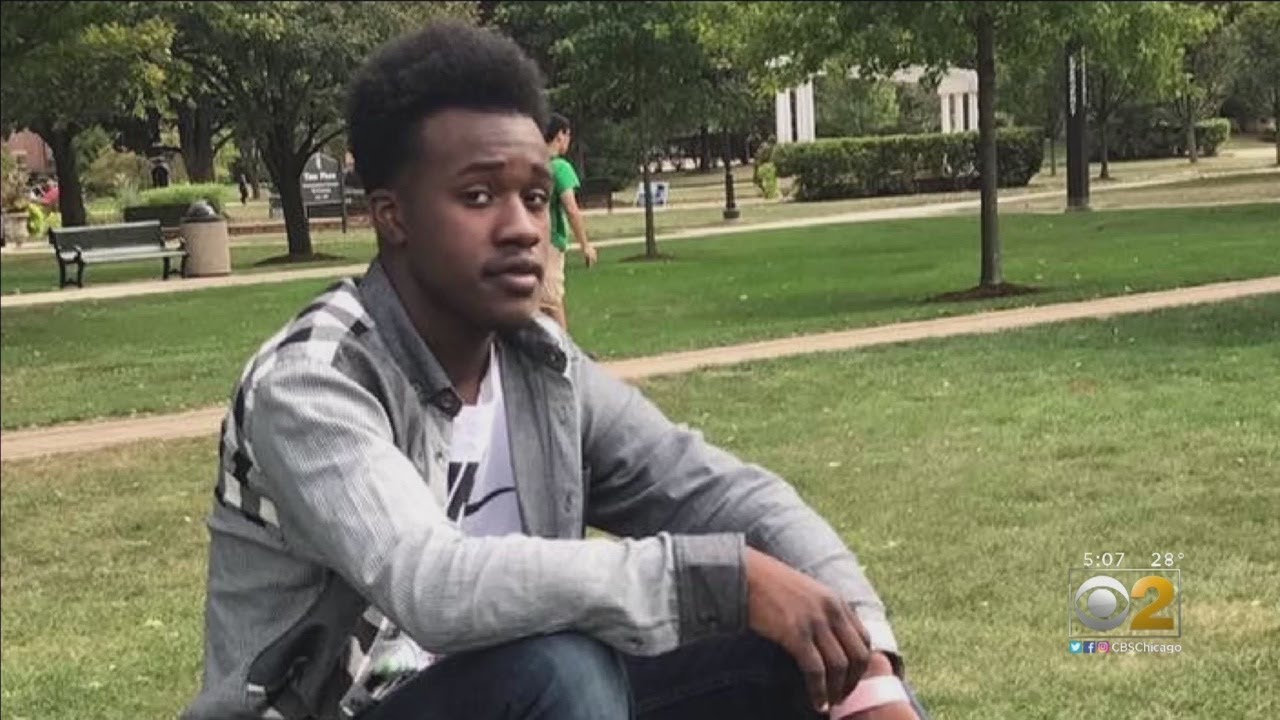
College Student Fighting for His Life After Being Hit by Semi Truck

The Dinizulu Law Group represented Michael Hassan, a Lewis University college student, who was a passenger at the time of the trucking crash. Our client was a passenger in a vehicle that was attempting to make a left hand turn in an intersection from Route 53 onto University Parkway in Romeoville, Illinois. While making a left hand turn, a semi-trailer tractor ran a red light, crashing into the vehicle our client was in, and three other cars. The crash resulted in our client being placed in a medically induced coma, and suffering from brain damage and serious internal injuries.

The semi truck driver was identified as Sherrard McKnight from North Carolina who was working for Interstate Trucking Company Moonlight Logistics at the time of the crash. It was alleged that the semi-truck driver was under the influence at the time of the trucking crash. McKnight has a previous arrest record of robbery and assault.

The Plaintiff received a $100,000 partial policy as a settlement; in addition, a more significant tortfeasor defendant is pending.

Are Unsanitary Living Conditions and Lack of Hygiene a Form of Nursing Home Neglect?

CHICAGO, IL – Many nursing home residents rely on staff members to help them with the consistent care they need. Nursing home staff members help residents bathe, feed them, help with administering medication, treat injuries, and transfer residents from their wheelchair to bed. Another key responsibility of nursing home staff includes to maintain a clean, sanitary environment for residents to live in. When staff members fail to maintain a clean facility, sanitize equipment, and help residents with hygiene-related needs, these may be signs of nursing home neglect.

Unsanitary Equipment in Nursing Homes Can Lead to Infection and Illness

With COVID surging nursing home facilities, staff members must be precautious to prevent infection outbreaks to keep residents safe. Since many nursing home residents’ bodies are weakened by age and/or disability, exposure to any virus, fungi, bacteria, or other pathogens can be deadly. Nursing homes should be regularly cleaned and sanitized to avoid these types of outbreaks in facilities, including cleaning wheelchairs, shared equipment, and other common places.

According to the Illinois Department of Public Health (IDPH), kitchens must be properly cleaned and sanitized, and all kitchen staff must be trained and certified in safe food handling to prevent the spread of illnesses. For example, if bathroom showers, toilets, or sinks are not regularly cleaned, it can become a haven for bacteria and germs to grow that can cause residents to become ill.

  • Colds
  • Bed sores
  • Flu
  • Bed bugs
  • Infections, such as bacterial pneumonia, urinary tract infections, and influenza
  • Diarrhea, which can sometimes develop into a chronic problem
  • Athletes foot
  • Scabies
  • Ringworm
  • Lice
  • Psychological damage, such as depression and reduced quality of life

Proper Resident Hygiene is Essential for Physical and Mental Health

Nursing home staff has the responsibility to keep residents clean and hygienic, as many residents are unable to use the restroom, bathe, or dress without the assistance of staff. Some residents may rely on adult diapers. If staff members fail to regularly change residents’ soiled diapers, clothing, or bed sheets, infections and medical complications can occur.

Bed sores are another common and major concern in nursing home facilities. If a resident develops a bed sore and it is not cleaned and regularly maintained, the wound may become more infected and even develop into a deadly condition called sepsis. The Mayo Clinic suggests to regularly clean and dress bed sores to prevent further infection.

Contact a Nursing Home Negligence Attorney in Cook County, Illinois

Nursing home residents are often unable to stand up for themselves when forced to live in unsanitary living conditions, or suffer from other forms of nursing home abuse. Many residents rely on family members to watch for signs of poor hygiene or advocate for them when they see they are not receiving the care they rightfully deserve. If you believe your loved one is a victim of nursing home abuse or neglect, call us today at (312) 384-1920 to schedule a free consultation with one of our skilled nursing home abuse attorneys. We know when our clients are being mistreated and living in unsanitary living conditions and are committed to bringing your loved one the justice they deserve. Please visit our website for more information.

Concerns Regarding Nursing Home Residents with Alzheimer’s or Dementia

CHICAGO, IL – Approximately 44 million people worldwide are living with Alzheimer’s disease or some form of dementia (Alzheimer’s News Today). Nursing home residents who suffer from Alzheimer’s or dementia may struggle to recall memories, and accurately interpret the world around them. Those who suffer from Alzheimer’s or dementia may become confused easily and even combative with other residents and nursing home staff. If your loved one suffers from dementia and is living in a nursing home, it’s important to understand some of the unique issues he or she may face while living in a nursing home.

Wandering and Elopement

Nursing home residents who suffer from cognitive impairment due to dementia or a related illness are at a high risk of wandering and elopement. A confused resident may wander into dangerous parts of the facility and be seriously hurt.

Four patterns of wandering as described by Myra A. Aud, PhD, RN to Sage Publications is described as:

  • Direct Travel: movement from one area to another without diversion.
  • Random Travel: roundabout or haphazard movement to many locations within an area without interruption.
  • Pacing: a repetitive movement that involves walking back and forth in a limited area.
  • Lapping: a repetitive movement that involves following a circular path around a larger area.

Safety issues related to wandering include both falls and wandering away (elopement). In long-term care settings, wandering interferes with caregiving activities. For example, if a resident who tends to wander infringes on territorial spaces of other residents, this may provoke a personal conflict.

Elopement is the act of wandering away from a safe residence, which is extremely dangerous for those who suffer from a cognitive impairment. An estimated 60 percent of residents with Alzheimer’s disease or dementia will wander away at least once.

Wandering is not only dangerous, but is difficult to predict where a resident could go next. All cognitively impaired long-term care facility residents that are cognitively impaired are presumed to be at-risk for wandering, even if they have no past history of doing so. Although some residents with Alzheimer’s or dementia may inadvertently wander away from a safe area by following staff and visitors as they leave while others actively test locked windows or doors and express a desire to leave.

Possible reasons for wandering include, but are not limited to:

  • A desire for variety such as leaving a confined area for the setting viewed through windows and doors.
  • A desire to go home or to work.
  • A desire to leave the current environment and its stresses.

Wandering and elopement can result in a resident being seriously harmed or even deadly.

Physical Abuse and Sexual Abuse

Nursing homes should be a safe place for the elderly community. Unfortunately, that’s not always the case. Some nursing home residents are victims of physical, psychological, emotional, and sexual abuse. Residents who suffer from Alzheimer’s disease and dementia are more vulnerable to this type of malicious treatment. Perpetrators may target these residents knowing they will likely struggle to report the abuse and could possibly continue to abuse this resident if they think no one may believe them.

Common people who can commit sexual abuse in nursing home facilities:

  • Nurses, aides, or other staff members.
  • Criminals who invade the facility.
  • Fellow residents.

Signs of sexual abuse may include:

  • Physical signs of abuse, such as bruising or blood-stained bedding.
  • Elderly person contracting a sexually transmitted disease.
  • Displaying fear towards a particular caregiver or resident at their long-term care facility.
  • Newly developed depression or anxiety.
  • Withdrawal from normal activities.

Sexual abuse in nursing homes is often underreported and is due to the social stigma behind sexual assault, or fear or retribution by the perpetrator. According to the Administration for Community Living (ACL), there were 20,000 complaints of sexual abuse in nursing homes over the past 20 years. On average, about three people a day in nursing homes are sexually abused.

The National Consumer Voice for Quality Long-Term Care mentions female nursing home residents who suffer from Alzheimer’s or dementia are more likely to be sexually abused. According to the Centers for Disease Control and Prevention (CDC), “1 in 5 women have been either raped or suffered an attempted rape, compared to 1 out of 38 men.”

Medication Mistakes

Most residents in long-term care facilities often rely on one or more prescription medications. They may not remember if they took their medication or not on any given day. Medication mistakes often go unnoticed and residents who suffer from cognitive impairments are at high-risk for missed medications, mixed-up medications, incorrect administration techniques, and other medication mistakes.

Contact a Cook County Nursing Home Injury Lawyer

Nursing home staff are required to provide residents with the standard of care and should take precautions to ensure that residents suffering from dementia and Alzheimer’s disease are safe. If your loved one suffered from nursing home abuse or nursing home neglect, you may be able to hold the facility responsible and recover damages through a nursing home injury claim. Contact one of our experienced nursing home abuse and nursing home neglect attorney’s today for a free consultation at (312) 384-1920 or visit our website for more information.

Trucking Accident FAQ’s

CHICAGO, IL – Semi-trucks, tractor-trailers, and other commercial trucks are frequent sights on America’s roadways. Injuries from a collision with a large truck can be serious, life-changing, and sometimes even deadly. The truck accident attorneys at Dinizulu Law Group know the physical and emotional impact a truck accident may have on victims. Below we have compiled FAQ for your review to understand what action you or a loved one should take after an accident.

What Should I Do if I’m Involved in an Accident with a Commercial Truck?

Upon making sure everyone at the scene of the accident is okay, you should immediately report the accident to the police and the insurance company and begin the process of hiring an Illinois truck accident lawyer.

The first thing you should do, if you’re able to, is report the accident to the police from the scene and obtain a police report. Given the size and weight of these trucks, it is more likely than not you have been injured.

If you are able to, make sure you document the scene of the accident. It’s important to take pictures of the scene and get contact information from all witnesses to the accident. If you’re unable to document the accident from the scene of an accident, try to contact an attorney from the scene to arrive at the scene and document the scene for you.

Next, you need to report the accident to your insurance company so they can start your claim. Your insurance will be informed of what happened in the case they are contacted by the truck driver’s insurance company. You will then need to think quickly about obtaining legal representation because any action you take in the aftermath of the accident may determine whether you are able to receive a settlement in your case.

Do I Need Legal Representation if I’m Injured in An Illinois Accident Involving a Large or Commercial Truck?

There is no legal requirement to hire an attorney; however, it’s not easy to represent yourself in a personal injury claim. Having an experienced truck accident attorney can help you present the strongest possible claim.

If you have been involved in an accident with a large or commercial truck, you should hire an Illinois trucking accident attorney. If you have been involved in this type of an accident, your injuries are likely to be severe which will present many different challenges and costs to you.

At the same time, you may be dealing with a company’s insurance which presents a challenge in and of itself. An insurance company will not likely write a large settlement check without making some effort to lower the amount of their obligation.

An Illinois truck accident attorney can not only deal with the insurance company, but can be a trusted advisor and counsellor as you deal with a difficult period. Attorney’s have experience addressing truck accidents and will have a better of idea what to expect.

Can I Sue the Company Where the Truck Driver is an Employee?

This depends on the truck driver’s employment status and what they were doing at the time of the accident.

The general rule is that an employer can be held liable for the acts of their employees if they are committed within the scope of employment. In other words, when an employee is on the job and they are negligent, anyone who is injured because of their negligence may sue the company for whom they work because everything the truck driver does is a representation of their company. While this may seem straightforward, if the case goes to trial it can become somewhat difficult because of the various factual questions that must be addressed.

An exception to this rule is that many companies try to designate their driver as independent contractors which means they are not employees of the company. As a result, there is no employer/employee relationship and this will usually get the company off the hook when it comes to liability. Although this may seem unfair, it has been a longstanding legal rule.

Employees must also have been engaged in job duties at the time of the accident. If they were taking the company truck on a personal errand or were driving to and from work, the employer may not be held liable since the accident wasn’t within the scope of their employment. There are many other factual questions that come into play and an Illinois truck accident attorney can help you establish and prove the facts of your case.

How is Fault Determined in a Truck Accident?

Investigating the accident scene, eyewitness testimony, and the police report are all tools that help determine fault in a truck accident. An experienced truck accident attorney will also investigate the driver and the company that employs them. Facts in assigning fault include:

  • How the truck driver was hired and trained;
  • How many hours they were working;
  • And the condition of the truck

How Much Is My Truck Accident Case Worth?

The details of each accident are unique, so there is no standard amount that can be quoted. There are many factors that go into determining how much a truck accident case is valued at, including medical expenses, lost wages, and possibly funeral expenses – in addition to pain and suffering. Compensation for a truck accident can provide recovery in these areas:

  • Payment of medical bills
  • Treatment for injuries not covered by insurance
  • Lost wages and loss of ability to generate income
  • Loss of consortium
  • Pain and suffering
  • Vehicle damage

How Much Does it Cost to Hire a Truck Accident Attorney to Represent Me?

The Dinizulu Law Group works on a contingency basis, meaning you pay nothing upfront or out of pocket and our attorneys are only paid if you are. Instead, you sign a representation agreement that states payment in terms of the percentage of your recovery. If you do not receive a settlement or win the case that goes to trial, you do not need to pay the lawyer for their services. The representation agreement spells out whether you are responsible for certain other court costs in the even that you do not win your case.

An Illinois truck injury lawyer is usually paid about one third of your settlement amount as compensation for their services. Lawyers must tell you about their fees at the time you hire them to represent you and you will agree to their fees in writing. No oral fee agreements are allowed. In the event your case goes to trial, the lawyer may receive a slightly higher percentage of the jury award because trials require attorneys to expend their time and effort, and they take risk that they will lose the case. The lawyer’s fee comes straight from the settlement amount and they are paid from it.

Usually, attorney’s do not accept every case that is brought to them because they are paid on contingency. If they are not successful in helping you recover your injuries, they will not be paid; therefore, they want to minimize the risk that they are working uncompensated time because it hurts their ability to earn a living. While you may hesitate to hire a lawyer since they receive part of your settlement, not having legal representation can make the settlement process more difficult for you.

Should I Try to Settle my Truck Accident Case with the Insurance Company?

You should try to reach a settlement agreement with the insurance company, but must be prepared to take your case to trial if necessary. Most times, both parties want to avoid a trial if they can. Trials are expensive, extremely time consuming, and introduce an uncertainty for everyone.

Settlements are not reached overnight. They may be lengthy and protracted negotiations. The insurance company may not make you their best offer, and often, they will not make you a good offer at all. Oftentimes a lawsuit is needed to be filed because without it, the insurance company may never make you a fair offer. Sometimes, they don’t try to settle until the eve of the trial.

An overwhelming majority of truck accident cases result in settlement and very few cases go to trial. Unless your claim is totally without merit or you are very clearly at fault, the insurance company will likely make you a settlement offer; however, it’s often difficult for the average person to know the value of their claim. The insurance company does know what your claim is worth because of their statisticians, specialists, and lawyers. Properly valuing your claim is one reason why you would need an experienced Illinois truck accident attorney.

What Needs to be Proved in a Truck Accident Lawsuit Involving Personal Injury

In order to prevail in a lawsuit, you need to prove the driver of the truck was negligent by which means that:

  • You were owed a duty of care
  • The duty of care was breached
  • You were injured
  • The other driver caused your injury

You must prove a four-part test to show the defendant should be held liable for your injuries; however, each element may be disputed if your case goes to trial.

The first element of the test is that the other drive owed you the “duty of care.” This is the duty the driver owes to every other driver on the roadway, meaning the driver must follow some standard of behavior when driving to act as a reasonable driver would. Second, you must prove the driver breached this duty of care and acted unreasonably. What’s considered to be unreasonable must be proven at trial; however, other things such as speeding and otherwise driving dangerously would be considered to be unreasonable.

After you prove the truck driver has acted unreasonably, you must show you have suffered an injury. If you have proven your injury, you must demonstrate that it was the truck driver who was the proximate cause of your injury. You must prove all four of these elements, and if you fail at any one of them, there will be no finding of negligence and the case will not be ruled in your favor.

What Parties can be Responsible in a Trucking Accident Involving Injuries or a Fatality?

After a simple car accident, it can be quite easy to determine responsibility; however, trucking accidents trigger different legal and business issues. Some profiles of common parties held responsible in Illinois truck accidents include:

  • The truck driver
  • The truck driver’s employer
  • The entity that owns the trailer
  • Any vendor or party that worked on or for the truck or trailer including repair shops
  • The maker or seller of the truck or trailer

Every new defendant opens up a new spring for recovery including insurance parties. If the truck accident caused a serious injury or death, your attorney will need to determine all possible defendants and categories of recovery before it is too late.

How Long Does It Take to Settle a Lawsuit?

It may take a few months to years to settle a truck accident case filed in Cook County Circuit Court. The process can be lengthy because of identifying the facts of the accident and party at fault can be quite cumbersome. Understanding the laws of Illinois that give right to recovery and what that recovery may be can test even the smartest lawyers.

Convincing the defendant of your ability to win at trial and by how much will prove tricky. If the matter goes to trial, it can last another year or two; therefore, truck accident victims in Illinois should move swiftly and consider contacting an attorney as soon as possible.

How Long Do I Have to File My Lawsuit in Illinois?

Plaintiff’s have two years to file a lawsuit after a truck accident in Illinois suing for negligence related to personal injury or wrongful death (735 ILCS 5/13-202). Most plaintiff’s sue for negligence which means the defendant acted unreasonably and caused the crash as well as the plaintiff’s damages. Plaintiff’s have two years as well to make a products liability claim following a truck crash (735 ILCS 5/13-213). Claimant’s must show that a defective product let to a crash and injury after being used reasonably and foreseeably.

Never Sign An Arbitration Clause in Nursing Home Contracts

CHICAGO, IL – Nursing homes in Illinois often ask residents to sign an arbitration agreement as long as it is drafted in compliance with Illinois law. Some nursing homes practice forced arbitration by removing residents right to file a claim through the public court system in a formal, signed agreement. The American Bar Association (ABA) defines arbitration as “a private process where disputing parties agree that one or several individuals can make a decision about the dispute after receiving evidence and hearing arguments.”

Arbitration is similar to what happens in trial in terms of those who are involved will present their case along with evidence to an arbitrator; however, parties may not have to follow state or federal rules of presenting evidence. At the same time, arbitrators are not always required to apply the governing law.

The American Association for Justice (AAJ) collected five years of data on consumer and employment forced arbitration reported by the nation’s two largest arbitration providers: the American Arbitration Association (AAA) and Jams. The findings concluded were:

  • On average, only 382 consumer per year win a monetary forced arbitration.
  • There are more than 800 million arbitration clauses estimated to be in effect. The study found there are only 6,000 consumer arbitration claims filed each year.
  • Over the five years studied, consumers brought 6,012 claims valued around $3.7 billion in damages. They won monetary awards in only 131 cases.
  • Americans are more likely to be struck by lightning than they are to win a forced arbitration.
  • Over the span of the five-year study, only 16 nursing home arbitrations were reported to AAA. No residents won their case while nursing home corporations won four of the six they initiated.

How Americans Are Hurt By The Fine Print

Nursing homes facilities often try to sneak protections for themselves into Admission Agreements before residency even begins. The effects arbitration clauses have on residents can be determinantal. The AAJ mentions the effects residents endure by not reading arbitration clauses:

  • One-sided requirements: Most forced arbitration clauses require residents to waive their rights, while allowing nursing homes to sue in court.
  • High costs: In addition to hiring a lawyer, the resident or family has to often pay hefty fees just to initiate their case and pay their share of the arbitrator’s hourly charges. Forced arbitration clauses also allow the nursing home to choose the location, regardless of the inconvenience or costly travel for the resident.
  • Biased Decision-Makers: Nursing homes are repeat users of an arbitrator, meaning there is a disincentive for arbitrators to rule in favor of nursing homes.
  • Weak Civil Justice Safeguards: Forced arbitration clauses often have tight restrictions on the individual’s ability to argue his/her side of the case. For example, many arbitrators restrict the individual’s ability to obtain necessary evidence. It is also nearly impossible to appeal decisions by arbitrators. According to experts cited by the Washington Post, the amount of damages awarded, if any, has the potential to be less if the case were to be heard by an arbitrator as opposed to going to trial.
  • Secret Backroom Proceedings: Most forced arbitration clauses require that proceedings be kept confidential, even if the case raises important public health and safety issues.
  • Bounding: Parties are bound by the terms of the contract so wrongful death claims brought on behalf of a resident’s next of kin are not bound by the arbitration agreement.

Know What You’re Signing Before You Sign It

According to Illinois General Assembly, an arbitration agreement “may bar an action at law against any hospital or health care provider who is a party to the agreement on the grounds of respondeat superior for the negligence or other wrongful act of any employee reasonably alleged to have caused the injuries on which the claim is based.”

Under the Health Care Arbitration Act, it requires certain provisions to be included in arbitration agreements to make the information more conspicuous to signatories. Illinois contract requires that a person must possess sufficient mental capacity in order to sign a contract. This issue arises often in nursing home settings where a resident may not be mental competent due to dementia or Alzheimer’s. A resident or family member who does not feel confident that they have a firm understanding of what rights they’re waiving by signing the contract should seek advice from an experienced nursing home abuse and negligence attorney.

CMS Final Rule on Forced Arbitration, July 2019

Forced arbitration practices change throughout administrations. In 2016, the Obama administration banned forced arbitration only to be turned over by the Centers for Medicare & Medicaid. Under the Final Rule published in July, long-term care facilities must comply with the following criteria:

  • Not require a resident or his/her representative sign an agreement for binding arbitration as a condition of admission to, or as a requirement to continue to receive care at a facility.
  • Ensure that the agreement is explained to a resident or his/her representative in a form, manner, and language that he/she must acknowledge that he/she understands the agreement.
  • Ensure that the agreement provides for the selection of a neutral arbitrator agreed upon by both parties and a venue that is convenient to both parties.
  • Ensure that the agreement does not contain any language that prohibits or discourages the resident or anyone else from communicating with federal, state, or local officials.
  • Retain copies of the signed agreement for binding arbitration and the arbitrator’s final decision for five years after the resolution of any dispute resolved through arbitration with residents. These documents must be available for inspection upon request by CMS or its designee.
  • Grant residents a 30-calendar day period during which they may rescind their agreement to arbitrate.

How the Dinizulu Law Group, Ltd. Can Help You

If you or a loved one has suffered injury or death due to a nursing homes negligence, you make seek compensation to hold wrongdoers accountable. Our attorneys have experience in interpreting nursing home agreements and know when our clients are being mistreated.

Our consultations are always free and confidential. Please call our office located in downtown Chicago, Illinois for a free consultation at (312) 384-1920 or visit our website for more information.

Virginia woman speaks out against abuse at local nursing home

CHICAGO, IL – Helen Norfleet was 96 years old when she passed away after living at nursing home facility in Salem, Oregon. According to her death certificate, she died from pleural effusion, renal failure, pneumonia, failure to thrive, dementia, osteomyelitis on the left foot, among several other factors.

“My nanny was everything,” granddaughter Julie Parsons said.

The months before Norfleet passed away stands out the most to her granddaughter. Parsons visited her grandmother every day at Raleigh Court Health and Rehabilitation Center.

Parsons mentioned Raleigh Court actually worked well for her family until March 2020. “March 13 [to be exact], that was the last time I was allowed in that facility to see my grandmother,” said Parsons.

Parsons visits began happening through a window or computer screen. That’s when she slowly began to watch her grandmother’s hygiene decline.

“Her hair would be so greasy it looked wet,” Parsons described.

Parsons grandmother tested positive for COVID-19 at the beginning of September. According to her caregivers, she was asymptomatic and was doing well. One day later, Parsons called the facility to check on her grandmother when she was told Norfleet had fallen out of her bed, resulting in severe bruising on her face.

On October 4, Parsons got a call that her grandmother had a wound on two of her toes.

Three weeks later on October 21, Parsons was told the wound had worsened to the point that amputation was necessary. That night, Norfleet was taken to Lewis Gale and Parsons was able to see her grandmother for the first time since March.

Parsons recalled when the doctor came in and removed the bandage from Norfleet’s foot, she collapsed. “It was the most horrible, disgusting thing I had ever seen in my life. My grandmother’s toes had gotten so bad, and so infected that the bone was exposed,” Parsons said.

After Norfleet had her amputation, she stayed in the hospital a little over a week. During this time, Parsons recognized bruising all over her grandmother’s arms and chest.

On October 30, Parsons filed a police report which resulted in an affidavit that’s for a search warrant for Norfleet’s medical records at Raleigh Court Health and Rehab.

Three days later, Norfleet was discharged and taken to a different facility. Only three days later, Parsons got a call that her grandmother was not doing well.

“She was not herself. She told me that night she was dying,” Parsons recalls. “[She] fell asleep on November 20th, she went to heaven.”

Parsons told WDBJ7 the only peace she has is knowing that her grandmother is no longer suffering. Parsons promised her grandmother that she would get justice for her and the other victims of abuse and neglect.

Parsons is currently waiting to see if the commonwealth’s attorney for Roanoke City, VA will pursue criminal charges against Raleigh Court Health and Rehab.

What is considered medical malpractice and when can medical providers be held liable in Illinois?

CHICAGO, IL – If a patient is harmed as a result of negligent medical treatment in Illinois, the doctor, hospital or other medical providers may be held liable for medical malpractice. Physician’s in Illinois are expected to provide care according to a certain care, also known as the standard of care. When they stray away from that standard and cause injury to a patient, further illness, or death, it is considered medical malpractice.

What Constitutes Medical Malpractice in Illinois?

Medical malpractice involves any deviation in the standard of care that medical providers owe to their patient. The most common types of medical malpractice claims include:

  • Diagnostic Errors
  • Medication Errors
  • Surgical Errors
  • Anesthesia Errors
  • Hospital Malpractice
  • Emergency Room Malpractice
  • Birth Injuries or Obstetrical Negligence
  • Unauthorized Treatment
  • Breach of Doctor-Patient Confidentiality
  • Unnecessary medical treatment or procedures

Illinois Statute of Limitations for Medical Malpractice Lawsuits

A “statute of limitations” refers to the law that sets a time limit on the right to file a lawsuit. Statute of limitations vary, meaning there are different deadlines for different types of cases.

In Illinois, the statute of limitations to file a medical malpractice lawsuit in Illinois is generally two years from the date the claimant knew or reasonably should have known of the injury. If a patient is under the age of 18 when the alleged medical malpractice occurred, the statute of limitations extends to eight years from the alleged act or omission; however, an act cannot be filed after the minor claimant’s 22nd birthday. If the claimant is mentally incompetent, the statute does not begin to run until the disability is removed.

If medical malpractice results in death, the wrongful death two-year statute of limitations period begins to run on the date of the decedent’s death.

Damages for Medical Malpractice Claims in Illinois

The plaintiff must prove the defendant is liable for medical malpractice for it to be ruled in their favor. In this case, he or she may be able to collect money damages for: medical expenses, pain and suffering, lost wages, household services, and permanent disability and disfigurement.

Some states place damage caps on noneconomic damages (such as pain and suffering), but Illinois does not have any damage caps on medical malpractice damage awards.

Liability Issues Involved in Illinois Medical Malpractice Claims

Illinois follows a form of modified comparative negligence, where a medical malpractice action is barred only if the claimant’s contributory fault is more than 50% of the proximate cause of the injury or damage for which recovery is sought. If the claimant is less than 50% at fault for the injuries, he or she may still pursue a medical malpractice claim, but the financial recovery is reduced in proportion to the claimant’s percentage of fault.

Defendants in an Illinois medical malpractice lawsuit are jointly and severally liable for all damages. In other words, if there is more than one negligent party (such as a doctor and hospital), the plaintiff may file a malpractice claim seeking full recovery from any defendant.

There are legal issues involved with Illinois malpractice claims which makes them complex and involves a comprehensive factual investigation. It’s important to consult with a skilled Illinois medical malpractice attorney as soon as possible to review your case. If you or someone you loved has been injured due to a medical providers negligence, please contact the experienced medical malpractice attorney’s at Dinizulu Law Group, Ltd. We understand the process can be difficult and stressful which is why we offer medical malpractice consultations for free. Please visit our website for more information.

Is it safe to drive after taking an over-the-counter (OTC) or prescription medication?

CHICAGO, IL – Everyone knows how dangerous it is to consume alcohol or drugs before getting behind the wheel; however, a drug that’s often overlooked is over-the-counter (OTC) or prescription medications. Some medications you may not think twice about have side effects that can put you and others at risk on the roadway.

Common Medication Side Effects

If you have recently taken medication, it’s important to check if you feel any side effects before getting behind the wheel. Some common side effects include:

  • Dizziness
  • Sleepiness/drowsiness
  • Fatigue
  • Inability to focus or pay attention
  • Delayed reaction time
  • Blurred vision
  • Fainting

Some people may experience side effects while others may not feel any at all. Side effects can last for short periods of time or they may last for several hours. Stronger medications or ones that have an extended-release property can affect someone throughout the following day. Some medicines have a warning to not operate heavy machinery, including driving a car.

Medications That Can Affect Driving

The U.S. Food and Drug Administration (FDA) lists drugs that could make it dangerous to drive, including:

  • Opioid pain relivers such as oxycodone, codeine, and morphine or any product containing codeine
  • Prescription drugs for anxiety: for example, benzodiazepines or Valium
  • Anti-seizure drugs (antiepileptic drugs) like lorazepam
  • Antipsychotic drugs, such as risperidone
  • Some antidepressants like Zoloft or Lexapro
  • Cold remedies and allergy products (both prescription and OTC), such as Nyquil and Benadryl
  • Muscle relaxers like cyclobenzaprine
  • Medicines that treat or control symptoms of diarrhea, such as Imodium
  • Medicines that treat or prevent symptoms of motion sickness like Bonine
  • Diet pills, “stay awake” drugs, and other medications with stimulants (e.g., caffeine, ephedrine, pseudoephedrine)
  • CBD products

Effects of Sleep Medicine

For people who struggle with insomnia and falling asleep, they may take medication to help them sleep. A widely used ingredient in prescribed sleep medication is zolpidem, which belongs to a class of medications called sedative-hypnotics. The FDA has found that medication that contains zolpidem, especially extended-release medications, can impair a person’s driving ability and daily activities the next morning.

People who take sleep medicine should talk to their doctor about ways to take the lowest effective dose.

How Allergy Medicines Can Affect Your Ability to Drive

Many people who have allergies, and for those who take medications containing antihistamines, these medicines can interfere with driving and operating heavy machinery, including driving a vehicle. Antihistamines slow a person’s reaction time, can make it hard to focus or think clearly, and make cause confusion or drowsiness.

It’s important to read the OTC Drug Facts label of medicine to understand warnings before consuming it. Avoid drinking alcohol or consuming other medications that contain antihistamines as it can increase the side effects.

It’s important to inform your health care provider of the products you are taking, including prescription, OTC, and herbal products. If you notice any side effects, let your doctor know about these. Always follow directions for use and read warnings on medication packaging and handouts from the pharmacy.

Involved in an Accident?

If you were involved in an accident by someone who was experiencing side effects from medication, please call our office today to learn your legal rights. The skilled attorneys at Dinizulu Law Group, Ltd. have been fighting to protect the rights of accident and injury victims for more than 20 years throughout the Chicagoland area. Contact us today to learn more information.

Translate »