Archive for category: Blog

Are Falls Preventable in Nursing Home Facilities?

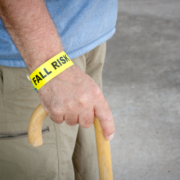
CHICAGO, IL – Many nursing home residents are unable to do basic tasks like moving from their bed to wheelchair and require nursing home staff to assist them. According to the Centers for Medicare & Medicaid Services (CMS), a fall is an episode in which a resident lost his/her balance or would have fallen if it were not for staff interventions. An estimated 10 to 25 percent of falls among long-term residents result in a fracture, laceration, or need for hospital care.

Even if a resident follows all of their doctor’s orders and completed rehabilitation and physical therapy, it’s likely that they will not be as mobile as they were prior to their fall. Although it’s impossible to prevent every fall in a nursing home, many falls can be prevented.

Statistics on Falls and Fractures in Nursing Homes

According to Nursing Home Abuse Center, some common statistics on falls in nursing homes include:

  • About 35% of injuries due to falls occur in residents who do not ambulate.
  • The average rate of falls is 2.6 falls per person in any given year.
  • About 5% of U.S. adults aged 65 and older reside in a nursing home facility, but deaths due to falls by nursing home residents make up 20% of deaths in the same age group.
  • Between 50% to 75% of nursing facility residents fall each year. This is twice as high as someone who is the same age but lives in the community.
  • In a typical year, a nursing home with 100 residents reports 100-200 falls.
  • About 2% to 6% of falls result in a fracture.
  • Roughly 1,800 individuals living in a nursing facility die from falls in any given year.

Ways to Prevent Nursing Home Falls

There are many precautions that can be taken to prevent fall injuries from occurring in nursing home facilities. Each resident should complete a risk assessment that includes a past history of accidents and falls, medications taken, and general physical health.

Nursing home staff should be overly attentive to residents. Proper equipment, like wheelchairs or walkers, should always be made available for nursing home residents whenever they need assistance walking. These residents should also receive proper foot care, shoes, and appropriate walking aids.

All staff members should also be trained on fall prevention strategies, as well as the risks that come with fall injuries.

Nursing homes should never have environmental hazards including rugs that can be tripped over, poor lighting, or wet floors.

Bed rails and bed heights should be properly in place and should work correctly, as nearly 30% of nursing home falls are due to faulty bed rails and incorrect bed heights.

Finally, nursing homes should offer programs such as physical therapy, stretching and balancing to all residents. Although this may not help with falls, it will help improve strength and balance which can lessen injuries should a fall occur.

What Can Happen After A Fall Injury?

Fall injuries for elderly individuals can be detrimental to their health, and even deadly. Elderly individuals are more likely to break bones during falls because of porous, fragile bones. Common injuries after a fall may include:

  • Broken bones, such as wrist, arm, ankle, or hip fractures
  • Head injuries which can be very serious, especially if the person is taking medication (i.e., blood thinners)
  • Fear of falling, even if the individual was not injured when they fell. This fear may cause an individual to cut back on everyday activities; however, when this person becomes less active, their bones become weaker and thus, increases their chances of falling

What Conditions Make You More Likely to Fall?

Research has identified risk factors that may make individuals more likely to suffer from a fall. Many risk factors can be modified to help prevent falls, including:

  • Vitamin D deficiency
  • Lower body weakness
  • Difficulty with walking and balance
  • Vision problems
  • Foot pain or poor footwear
  • Use of medications, such as tranquilizers, sedatives, or antidepressants. Some over-the-counter (OTC) medicines can alter your balance and how steady you are on your feet.
  • Some hazards, such as broken or uneven steps and rugs that can be tripped over

Many falls are a combination of risk factors; likewise, the more risk factors a person faces, the greater their chances of falling will be.

Taking the Right Steps to Prevent Falls

If you take care of your overall health, you may lower your chances of falling. A few tips to avoid falls and broken bones include:

Strength & Balance Exercises
Exercises that make your legs stronger will also improve your overall balance. Tai Chi is a great example of this type of exercise.

Have Your Eyes Checked
Have your eyes checked by an eye doctor at least once per year and update your eyeglasses if necessary. If you have bifocal or progressive lenses, you may want to consider getting a pair of glasses with only your distance prescription for outdoor activities, such as walking. These types of lens can make things seem closer or farther away than they are.

Consult with Your Doctor
Ask your doctor or health provider to evaluate your risk for falling and ask them specific things you can do to prevent falls. You should also ask them to review your medications, both OTC and prescribed, to see if any you take can make you dizzy or sleepy. In addition, ask about taking Vitamin D supplements.

Contact an Experienced Nursing Home Neglect Attorney in Cook County, Illinois

If your loved one has been hurt to due a fall injury, this may be a sign the nursing home staff is neglecting them. Contact one of our skilled nursing home negligence attorneys at Dinizulu Law Group for a free consultation today. Our attorneys know when your loved one isn’t being treated fairly and work hard to seek the justice your loved one deserves. Call our office at (312) 384-1920 today or visit our website for more information.

How Negligent Care Can Lead to Nursing Home Fall Accidents

CHICAGO, IL – Putting your loved one in a long-term care facility is a tough decision for anyone to make. Many people worry the quality of care their loved one will receive from nursing homes and what is going on behind closed doors. Unfortunately, issues such as understaffing and inadequate staff training have led to nursing home neglect in facilities across the country. When nursing home staff acts negligently or the facility is not equipped with appropriate safety measures, serious fall accidents are more likely to occur.

Falling is Often Catastrophic or Deadly for Elderly or Disabled Residents
According to the Centers for Disease Control and Prevention (CDC), one in four Americans aged 65 and older have a fall each year. In 2018 alone, approximately 36 million falls were reported among seniors. Of those, more than 8 million required medical attention for at least one day; shockingly, more 32,000 elders died from the fall and the injuries they sustained.

Some falls may only result in bruising or abrasions; however, other falls may result in broken bones, traumatic brain injuries, spine injuries, or even death.

Those who suffer from an impairment like Alzheimer’s or dementia, or arthritis, diabetes, anemia, impaired sight or hearing, and neuropathy are a greater fall risk than those without these conditions.

How Nursing Homes Can Prevent Fall Injuries
There are many precautions that can be taken to prevent fall injuries from occurring; however, some of the best ways to prevent nursing home falls include:

  • Nursing home staff should always be attentive towards residents. Proper equipment should be made available to residents who require extra assistance. These residents should always receive the proper foot care, shoes, and appropriate walking aides.
  • All staff members should be trained on fall prevention strategies, as well as the risks involved when a resident suffers a fall.
  • Every resident should have a completed risk assessment which includes all past accidents and falls, medications taken, and general physical health. Risk assessments identify which residents are high risks for falls, develop interventions to prevent falls, discuss at-risk residents and modify changes in care plan, and carry out investigations, including root cause analysis, when a fall occurs.
  • Nursing homes should never have any environmental hazards, and if they do, should be removed immediately. Environmental hazards in nursing home facilities include: poor lighting, slippery floors, debris in walkways, improper exit signs, improperly maintained or fitted wheelchairs, incorrect bed height, broken equipment, and more.
  • Nursing homes should carefully avoid incorrect bed heights and faulty bed rails. Faulty bed rails and incorrect bed heights account for nearly 30 percent of nursing home falls nationwide.
  • Exercise programs, including stretching, physical therapy, and balance should be available for all residents. Statistics show that although exercises may not help with preventing falls, it will help improve strength and balance which can lessen injuries if a fall were to occur.

How A Fall Injury Can Impact a Nursing Home Resident’s Life
Suffering from a fall can change a senior’s life. Some negative consequences of a fall occurring can include:

Robbing a person of mobility and independence: A person who was once able to walk around on their own may now have to use a cane, walker, or wheelchair to get around. A resident may also become less active because they are afraid.

A person can fracture a leg, hip, or other bone in a fall: If they try to break their fall, they may break an arm or wrist in the process. If they hit their head while suffering a fall, it could result in traumatic brain injury.

A fall can cause an elderly person to undergo surgery: Surgery opens the door of many potential complications, such as surgical infections or blood clots.

Long recuperation and painful physical therapy: Older people heal much more slowly when trying to recover from an injury. When a person suffers a severe injury, they will likely have a lengthy recovery time that often involves physical therapy.

Less mobility: Less mobility puts a person at a much higher risk of developing pneumonia, bed sores, and other health complications. Initially, the patient will be lying in bed much more while recovering, so staff members must be vigilant to prevent these issues.

What to do If You Suspect Your Loved One Has Sustained a Fall Injury
A nursing home may be held liable for a fall accident if staff members acted negligently, or the nursing home was not kept in a reasonably safe condition which resulted in your loved ones fall. If you suspect that your loved one’s fall was caused by nursing home negligence, contact the attorney’s of Dinizulu Law Group. Our experienced nursing home negligence attorney’s have the knowledge and resources to bring justice for your loved one. Call our office today at (312) 384-1920 for a free consultation today or visit our website for more information.

Pritzker Signs Sweeping Illinois Criminal Justice Reform Bill

CHICAGO, IL – Illinois Gov. J.B. Pritzker signed a sweeping police reform bill into law on Monday that moves Illinois closer to ending cash bail and requiring police officers to wear body cameras – arguing the package will lead to “true safety, true fairness, and true justice.” The new law makes Illinois the first state in the nation to fully abolish cash bail.

A key component of House Bill 3653 is the elimination of cash bail by 2023. Supporters of the package say it unfairly incarcerates those awaiting trial because they can’t afford bail, while the wealthy have the ability to bond out.

However, critics are concerned the way the bill is written could put dangerous criminals back into communities by limiting judges’ discretion on detaining them; however, judges will make that call based on the threat the defendant poses.

The new law also requires all police officers to wear body cameras by 2025 and restrict officers’ ability to pursue fleeing suspects. Officers will not be allowed to review their own footage before writing a report, which some critics say it puts them in an impossible position.

“In the wake of last summer’s protests against police violence and the responses to the release of the video showing the humiliation and harassment of Anjanette Young, there is little doubt about the strong support for additional police accountability and criminal justice reform,” said Khadine Bennett, director of advocacy and intergovernmental affairs at the ACLU of Illinois said in a statement.

The new law states officers are prohibited from using any type of chokehold and allows people to file anonymous complaints against police. In addition, the package calls for new police training in crisis intervention and-escalation, strengthening victims’ rights.

Indian Head Park Police Chief Steven Stelter says this puts him and others in a position of misconduct because “[we] left out information that was on the body camera, but it wasn’t in the report. According to this bill, [we are] guilty of a Class 3 felony.”

One provision in the new law prevents officers from tasing someone in the back; however, police say they are trained to use the back because it’s the safest part of the body.

Stelter predicts the new bill will result in more crime, especially with officer early retirements and younger officers joining departments in other states. Illinois Chief of Police is hoping to work with the sponsors of the new law to modify some of the language to address their concerns.

Compensation for Passengers Involved in Motor Vehicle Accident in Illinois

CHICAGO, IL – When you are a passenger and have been injured in a motor vehicle accident, you have legal rights that entitle you to file a lawsuit for your injuries. In some circumstances, you have even more rights than the driver for financial compensation because you can sue more defendants.

As with any personal injury claim, the plaintiff must be able to prove two things: liability and damage. Liability, meaning that it was someone else’s fault, and damages referring to how badly the person who made the claim was hurt.

Many car accident victims will file a personal injury lawsuit against the driver at-fault for the collision. In more fatal cases, surviving family members would pursue a wrongful death lawsuit.

Filing a Claim with the Driver’s Insurance

Passengers of a motor vehicle accident have the right to sue the driver that negligently caused the crash. If you’re injured in an accident, please make sure to call the police first. If you’re able to, document anything you can regarding the crash including obtaining witnesses information, pictures, and video.

Your first step is to file a claim with the driver who caused the crash’s insurance policy. The easiest way to about this is through their personal injury protection or medical payments portion of their car insurance policy. Many states are “no-fault” insurance states, meaning these states require every driver carry this type of protection for any passenger in their vehicle.

Illinois is an “at-fault,” or tort, state. This means that upon showing the other party’s negligence that caused the accident, and you suffered an injury as a result, you can recover money for: lost wages, pain and suffering, medical costs, emotional distress, and other damages.

The driver of the car in which you were riding owes you a “duty of care,” meaning if they act unreasonably, you can hold them responsible for your injuries. The failure to fulfill this duty is negligent, which means speeding, reckless driving, illegal turns, etc., are all grounds for failure to provide you their duty of care.

Suing the At-Fault Driver – No Matter Who It Is

A spouse can sue the other and children can sue their parents for any injuries they sustained as a passenger in a motor vehicle accident. This may seem unusual to you; however, it is quite common.

Many people feel uncomfortable or worry about their relationship or friendship with the person who caused the accident by holding them responsible. Passengers can file a personal injury lawsuit against the driver but should especially do so if fault cannot be established for the accident. The drivers typically don’t pay the damages as long as they are under the policy minimum, but rather the drivers insurance company because that is who you’re suing.

Illinois “Mandatory Insurance” Laws

Illinois requires all vehicle owners to carry liability insurance. The minimum coverage Illinois drivers are required to carry is:

  • $25,000 for the injury or death of one person in an accident caused by you
  • $50,000 total for all injuries or deaths in an accident caused by you, and
  • $20,000 for damage to the property of another person in an accident caused by you.

Basic liability coverage pays for medical bills, property damage, and other costs to drivers, passengers, or pedestrians that are injured or have their vehicle damaged in a car accident.

Recovering Fault Benefits

If you are involved in an accident and do not file a lawsuit, you are essentially giving the auto insurance company a free pass and leaving money on the table that could pay for any medical expenses you endure after the accident or lost wages. This is coverage the driver of the accident has already paid for, so passengers in motor vehicle crashes should utilize this regardless of who may be the negligent driver.

Whoever the driver of the vehicle is that caused the crash, whether it’s the person you are driving in the car as a passenger of or another vehicle, that is who you file your claim against or sue.

Maximizing Compensation as a Passenger of a Motor Vehicle Crash

The passenger may already be covered under the driver’s policy if they are related to them and be considered an “insured person.” It’s critical for the injured passenger to find someone whom they can file a claim against because suing your own insurance policy will not provide you with as much compensation. While you can sue your own insurance policy, you will not seek compensation for pain and suffering or lost wages and be limited to medical costs.

A passenger may not be able to look past their relationship with the driver, if known; however, it’s important that you look at the accident for how it affects your interests since you will miss time from work and have hefty medical bills now to endure. Seeking compensation for your injuries due to another’s negligence should be maximized rather than you paying for an accident you were never at-fault for.

Contact a Cook County Personal Injury Lawyer in Chicago, Illinois

Navigating the aftermath of an accident can be complicated and frustrating. The Dinizulu Law Group attorneys are skilled and experienced with personal injury cases and insurance coverage to ensure you get the maximum compensation you deserve. Call our office today at (312) 384-1920 for your free consultation or visit our website for more information.

Englewood Hit-And-Run Crash Leaves 3 Injured, Fatality

CHICAGO, IL – A woman died Monday after a fatal hit-and-run crash that also injured three adults in Englewood, a neighborhood in Chicago’s South Side.

According to ABC News, police arrested the two suspects, one of which was armed, in connection to the incident that unfolded shortly before noon on the 7400-block of South Racine Avenue. The suspects were traveling southbound in an SUV on Racine Avenue when it drove through a red light, striking a Jeep in the intersection. The SUV lost control and hit a 43-year-old-woman. She died later at a hospital.

The woman has been identified to the Cook County Medical Examiner’s Office as Lakisha Thomas. Police initially said the victim was 18-years-old.

Three adults in the Jeep had minor injuries and were sent to St. Bernard Hospital and Holy Cross Hospital, according to police.

The two male suspects were arrested after attempting to flee the scene of the crash. No charges have been filed.

FAA Calls for Global Grounding of 777s Equipped with One Engine Model

CHICAGO, IL – United Airlines Flight 328 rained debris on the Denver, CO area last week when its right engine failed over Broomfield. En route to Honolulu carrying 229 passengers and 10 crew members, videos of the incident showed the engine ablaze, filling the sky with black smoke, missing most of its nacelle and its cowling. Although there were no injuries or fatalities, the Federal Aviation Administration is calling for all Boeing 777 that are equipped with one engine to be inspected.

FAA administrator Steve Dickson said, “based on the initial information, we concluded the inspection interval should be stepped up for the hollow fan blades that are unique to this model of engine, used solely on Boeing 777 airplanes.”

A Boeing 777-200 powered by Pratt & Whitney 4077 engines was the type of aircraft involved in Saturday’s engine failure.

Boeing said in a statement that it is “actively monitoring recent events related to United Airlines Flight 328,” while an investigation by the National Transportation Safety Board (NTSB) is underway. NTSB recommends “suspending operations of the 69 in-service and 59 in-storage 777s powered by Pratt & Whitney 4000-112 engines until the FAA identifies the appropriate inspection protocol.”

Investigators mentioned that the inlet, a duct which is required to ensure smooth airflow to the engine, and a cowling, the removable metal covering that houses the engine, were separated from the engine. Two fan blades were also fractured while the remainder of the blades exhibited damage to their tips and leading edges.

According to the most recent data, airlines in three countries operate airplanes with the affected engines: the United States, Japan, and South Korea. United Airlines, the only U.S. operator with this type of engine in its fleet, said they would ground planes immediately.

“We are working with these regulators as they take actions while these planes are on the ground and further inspections are conducted by Pratt & Whitney,” Boeing added. “Updates will be provided as more information becomes available.”

Are Unsanitary Living Conditions and Lack of Hygiene a Form of Nursing Home Neglect?

CHICAGO, IL – Many nursing home residents rely on staff members to help them with the consistent care they need. Nursing home staff members help residents bathe, feed them, help with administering medication, treat injuries, and transfer residents from their wheelchair to bed. Another key responsibility of nursing home staff includes to maintain a clean, sanitary environment for residents to live in. When staff members fail to maintain a clean facility, sanitize equipment, and help residents with hygiene-related needs, these may be signs of nursing home neglect.

Unsanitary Equipment in Nursing Homes Can Lead to Infection and Illness

With COVID surging nursing home facilities, staff members must be precautious to prevent infection outbreaks to keep residents safe. Since many nursing home residents’ bodies are weakened by age and/or disability, exposure to any virus, fungi, bacteria, or other pathogens can be deadly. Nursing homes should be regularly cleaned and sanitized to avoid these types of outbreaks in facilities, including cleaning wheelchairs, shared equipment, and other common places.

According to the Illinois Department of Public Health (IDPH), kitchens must be properly cleaned and sanitized, and all kitchen staff must be trained and certified in safe food handling to prevent the spread of illnesses. For example, if bathroom showers, toilets, or sinks are not regularly cleaned, it can become a haven for bacteria and germs to grow that can cause residents to become ill.

  • Colds
  • Bed sores
  • Flu
  • Bed bugs
  • Infections, such as bacterial pneumonia, urinary tract infections, and influenza
  • Diarrhea, which can sometimes develop into a chronic problem
  • Athletes foot
  • Scabies
  • Ringworm
  • Lice
  • Psychological damage, such as depression and reduced quality of life

Proper Resident Hygiene is Essential for Physical and Mental Health

Nursing home staff has the responsibility to keep residents clean and hygienic, as many residents are unable to use the restroom, bathe, or dress without the assistance of staff. Some residents may rely on adult diapers. If staff members fail to regularly change residents’ soiled diapers, clothing, or bed sheets, infections and medical complications can occur.

Bed sores are another common and major concern in nursing home facilities. If a resident develops a bed sore and it is not cleaned and regularly maintained, the wound may become more infected and even develop into a deadly condition called sepsis. The Mayo Clinic suggests to regularly clean and dress bed sores to prevent further infection.

Contact a Nursing Home Negligence Attorney in Cook County, Illinois

Nursing home residents are often unable to stand up for themselves when forced to live in unsanitary living conditions, or suffer from other forms of nursing home abuse. Many residents rely on family members to watch for signs of poor hygiene or advocate for them when they see they are not receiving the care they rightfully deserve. If you believe your loved one is a victim of nursing home abuse or neglect, call us today at (312) 384-1920 to schedule a free consultation with one of our skilled nursing home abuse attorneys. We know when our clients are being mistreated and living in unsanitary living conditions and are committed to bringing your loved one the justice they deserve. Please visit our website for more information.

Concerns Regarding Nursing Home Residents with Alzheimer’s or Dementia

CHICAGO, IL – Approximately 44 million people worldwide are living with Alzheimer’s disease or some form of dementia (Alzheimer’s News Today). Nursing home residents who suffer from Alzheimer’s or dementia may struggle to recall memories, and accurately interpret the world around them. Those who suffer from Alzheimer’s or dementia may become confused easily and even combative with other residents and nursing home staff. If your loved one suffers from dementia and is living in a nursing home, it’s important to understand some of the unique issues he or she may face while living in a nursing home.

Wandering and Elopement

Nursing home residents who suffer from cognitive impairment due to dementia or a related illness are at a high risk of wandering and elopement. A confused resident may wander into dangerous parts of the facility and be seriously hurt.

Four patterns of wandering as described by Myra A. Aud, PhD, RN to Sage Publications is described as:

  • Direct Travel: movement from one area to another without diversion.
  • Random Travel: roundabout or haphazard movement to many locations within an area without interruption.
  • Pacing: a repetitive movement that involves walking back and forth in a limited area.
  • Lapping: a repetitive movement that involves following a circular path around a larger area.

Safety issues related to wandering include both falls and wandering away (elopement). In long-term care settings, wandering interferes with caregiving activities. For example, if a resident who tends to wander infringes on territorial spaces of other residents, this may provoke a personal conflict.

Elopement is the act of wandering away from a safe residence, which is extremely dangerous for those who suffer from a cognitive impairment. An estimated 60 percent of residents with Alzheimer’s disease or dementia will wander away at least once.

Wandering is not only dangerous, but is difficult to predict where a resident could go next. All cognitively impaired long-term care facility residents that are cognitively impaired are presumed to be at-risk for wandering, even if they have no past history of doing so. Although some residents with Alzheimer’s or dementia may inadvertently wander away from a safe area by following staff and visitors as they leave while others actively test locked windows or doors and express a desire to leave.

Possible reasons for wandering include, but are not limited to:

  • A desire for variety such as leaving a confined area for the setting viewed through windows and doors.
  • A desire to go home or to work.
  • A desire to leave the current environment and its stresses.

Wandering and elopement can result in a resident being seriously harmed or even deadly.

Physical Abuse and Sexual Abuse

Nursing homes should be a safe place for the elderly community. Unfortunately, that’s not always the case. Some nursing home residents are victims of physical, psychological, emotional, and sexual abuse. Residents who suffer from Alzheimer’s disease and dementia are more vulnerable to this type of malicious treatment. Perpetrators may target these residents knowing they will likely struggle to report the abuse and could possibly continue to abuse this resident if they think no one may believe them.

Common people who can commit sexual abuse in nursing home facilities:

  • Nurses, aides, or other staff members.
  • Criminals who invade the facility.
  • Fellow residents.

Signs of sexual abuse may include:

  • Physical signs of abuse, such as bruising or blood-stained bedding.
  • Elderly person contracting a sexually transmitted disease.
  • Displaying fear towards a particular caregiver or resident at their long-term care facility.
  • Newly developed depression or anxiety.
  • Withdrawal from normal activities.

Sexual abuse in nursing homes is often underreported and is due to the social stigma behind sexual assault, or fear or retribution by the perpetrator. According to the Administration for Community Living (ACL), there were 20,000 complaints of sexual abuse in nursing homes over the past 20 years. On average, about three people a day in nursing homes are sexually abused.

The National Consumer Voice for Quality Long-Term Care mentions female nursing home residents who suffer from Alzheimer’s or dementia are more likely to be sexually abused. According to the Centers for Disease Control and Prevention (CDC), “1 in 5 women have been either raped or suffered an attempted rape, compared to 1 out of 38 men.”

Medication Mistakes

Most residents in long-term care facilities often rely on one or more prescription medications. They may not remember if they took their medication or not on any given day. Medication mistakes often go unnoticed and residents who suffer from cognitive impairments are at high-risk for missed medications, mixed-up medications, incorrect administration techniques, and other medication mistakes.

Contact a Cook County Nursing Home Injury Lawyer

Nursing home staff are required to provide residents with the standard of care and should take precautions to ensure that residents suffering from dementia and Alzheimer’s disease are safe. If your loved one suffered from nursing home abuse or nursing home neglect, you may be able to hold the facility responsible and recover damages through a nursing home injury claim. Contact one of our experienced nursing home abuse and nursing home neglect attorney’s today for a free consultation at (312) 384-1920 or visit our website for more information.

When Is a Nursing Home Responsible for a Resident’s Death?

CHICAGO, IL – Nursing home residents are normally elderly individuals, sometimes in poor health, so unfortunately, nursing home deaths are not uncommon. Many residents succumb to his or her illness or of old age; however, there are certain situations where death is preventable. If you have lost a loved one living in a nursing home facility, you may question whether your loved one’s death was caused by poor care or neglect. If a nursing home’s wrongful death or negligent actions lead to a resident’s death, the surviving family members have the right file a wrongful death claim against the nursing home facility.

How Do I Know If My Loved One’s Death Was a Wrongful Death?

Wrongful death is “a death caused by the wrongful act of another, either accidentally or intentionally,” (Cornell Law School). When a party is negligent, careless, or wrongful actions lead to another person’s death, had that person survived, he or she would be entitled to bring a wrongful death claim against the party. Wrongful death claims is intended for a family member of the deceased individual to obtain compensation for the companionship lost due to the death of your loved one. Wrongful death claims attempt to offset any financial hardships you may face while dealing with your loved one’s death.

A skilled wrongful death lawyer will use a variety of strategies to investigate your loved one’s death. Documents included in wrongful death claims include all medical records, staff schedules, witness statements, incident reports, the nursing homes policies and procedures, and photos and videos of the facility.

Signs Your Loved One’s Death May Be a Wrongful Death

Some common signs of wrongful death include:

  • Nursing home staff failed to provide necessary medical care in a timely manner.
  • Your loved one was not consistently receiving his or her medications.
  • Your loved one suffered from dehydration or malnutrition.
  • Your loved one has bed sores or other signs of neglect.
  • Your loved one had injuries caused by physical abuse or sexual abuse.
  • The nursing home did not report your loved one’s fall or other injury-causing accident.
  • The nursing home failed to transfer your loved one to an appropriate facility when he or she needed a higher level of care.
  • The nursing home failed to prevent wandering, elopement, or resident-on-resident violence.

Bringing a Wrongful Death Claim Against a Nursing Home

While there is no legal recourse you can take that will replace your tragic loss, wrongful death claims can hold a multitude of entities accountable, including the facility, administrators, doctors, and nurses, and other staff members. Bringing forth a wrongful death claim may also allow you to recover financial compensation for the losses resulting in your loved one’s death. You could be entitled to compensation for medical expenses, funeral and burial costs, and your own grief and suffering.

Contact a Chicago, IL Nursing Home Negligence Lawyer

If your loved one’s death was preventable due to another’s negligence, contact one of our skilled nursing home wrongful death attorneys at Dinizulu Law Group. Call our office at (312) 384-1920 for a free, no-obligation consultation with one of our Cook County wrongful death attorneys. Our experienced attorneys know when our clients are being mistreated and work hard to help you seek the justice that you and your family deserve.


Trucking Accident FAQ’s

CHICAGO, IL – Semi-trucks, tractor-trailers, and other commercial trucks are frequent sights on America’s roadways. Injuries from a collision with a large truck can be serious, life-changing, and sometimes even deadly. The truck accident attorneys at Dinizulu Law Group know the physical and emotional impact a truck accident may have on victims. Below we have compiled FAQ for your review to understand what action you or a loved one should take after an accident.

What Should I Do if I’m Involved in an Accident with a Commercial Truck?

Upon making sure everyone at the scene of the accident is okay, you should immediately report the accident to the police and the insurance company and begin the process of hiring an Illinois truck accident lawyer.

The first thing you should do, if you’re able to, is report the accident to the police from the scene and obtain a police report. Given the size and weight of these trucks, it is more likely than not you have been injured.

If you are able to, make sure you document the scene of the accident. It’s important to take pictures of the scene and get contact information from all witnesses to the accident. If you’re unable to document the accident from the scene of an accident, try to contact an attorney from the scene to arrive at the scene and document the scene for you.

Next, you need to report the accident to your insurance company so they can start your claim. Your insurance will be informed of what happened in the case they are contacted by the truck driver’s insurance company. You will then need to think quickly about obtaining legal representation because any action you take in the aftermath of the accident may determine whether you are able to receive a settlement in your case.

Do I Need Legal Representation if I’m Injured in An Illinois Accident Involving a Large or Commercial Truck?

There is no legal requirement to hire an attorney; however, it’s not easy to represent yourself in a personal injury claim. Having an experienced truck accident attorney can help you present the strongest possible claim.

If you have been involved in an accident with a large or commercial truck, you should hire an Illinois trucking accident attorney. If you have been involved in this type of an accident, your injuries are likely to be severe which will present many different challenges and costs to you.

At the same time, you may be dealing with a company’s insurance which presents a challenge in and of itself. An insurance company will not likely write a large settlement check without making some effort to lower the amount of their obligation.

An Illinois truck accident attorney can not only deal with the insurance company, but can be a trusted advisor and counsellor as you deal with a difficult period. Attorney’s have experience addressing truck accidents and will have a better of idea what to expect.

Can I Sue the Company Where the Truck Driver is an Employee?

This depends on the truck driver’s employment status and what they were doing at the time of the accident.

The general rule is that an employer can be held liable for the acts of their employees if they are committed within the scope of employment. In other words, when an employee is on the job and they are negligent, anyone who is injured because of their negligence may sue the company for whom they work because everything the truck driver does is a representation of their company. While this may seem straightforward, if the case goes to trial it can become somewhat difficult because of the various factual questions that must be addressed.

An exception to this rule is that many companies try to designate their driver as independent contractors which means they are not employees of the company. As a result, there is no employer/employee relationship and this will usually get the company off the hook when it comes to liability. Although this may seem unfair, it has been a longstanding legal rule.

Employees must also have been engaged in job duties at the time of the accident. If they were taking the company truck on a personal errand or were driving to and from work, the employer may not be held liable since the accident wasn’t within the scope of their employment. There are many other factual questions that come into play and an Illinois truck accident attorney can help you establish and prove the facts of your case.

How is Fault Determined in a Truck Accident?

Investigating the accident scene, eyewitness testimony, and the police report are all tools that help determine fault in a truck accident. An experienced truck accident attorney will also investigate the driver and the company that employs them. Facts in assigning fault include:

  • How the truck driver was hired and trained;
  • How many hours they were working;
  • And the condition of the truck

How Much Is My Truck Accident Case Worth?

The details of each accident are unique, so there is no standard amount that can be quoted. There are many factors that go into determining how much a truck accident case is valued at, including medical expenses, lost wages, and possibly funeral expenses – in addition to pain and suffering. Compensation for a truck accident can provide recovery in these areas:

  • Payment of medical bills
  • Treatment for injuries not covered by insurance
  • Lost wages and loss of ability to generate income
  • Loss of consortium
  • Pain and suffering
  • Vehicle damage

How Much Does it Cost to Hire a Truck Accident Attorney to Represent Me?

The Dinizulu Law Group works on a contingency basis, meaning you pay nothing upfront or out of pocket and our attorneys are only paid if you are. Instead, you sign a representation agreement that states payment in terms of the percentage of your recovery. If you do not receive a settlement or win the case that goes to trial, you do not need to pay the lawyer for their services. The representation agreement spells out whether you are responsible for certain other court costs in the even that you do not win your case.

An Illinois truck injury lawyer is usually paid about one third of your settlement amount as compensation for their services. Lawyers must tell you about their fees at the time you hire them to represent you and you will agree to their fees in writing. No oral fee agreements are allowed. In the event your case goes to trial, the lawyer may receive a slightly higher percentage of the jury award because trials require attorneys to expend their time and effort, and they take risk that they will lose the case. The lawyer’s fee comes straight from the settlement amount and they are paid from it.

Usually, attorney’s do not accept every case that is brought to them because they are paid on contingency. If they are not successful in helping you recover your injuries, they will not be paid; therefore, they want to minimize the risk that they are working uncompensated time because it hurts their ability to earn a living. While you may hesitate to hire a lawyer since they receive part of your settlement, not having legal representation can make the settlement process more difficult for you.

Should I Try to Settle my Truck Accident Case with the Insurance Company?

You should try to reach a settlement agreement with the insurance company, but must be prepared to take your case to trial if necessary. Most times, both parties want to avoid a trial if they can. Trials are expensive, extremely time consuming, and introduce an uncertainty for everyone.

Settlements are not reached overnight. They may be lengthy and protracted negotiations. The insurance company may not make you their best offer, and often, they will not make you a good offer at all. Oftentimes a lawsuit is needed to be filed because without it, the insurance company may never make you a fair offer. Sometimes, they don’t try to settle until the eve of the trial.

An overwhelming majority of truck accident cases result in settlement and very few cases go to trial. Unless your claim is totally without merit or you are very clearly at fault, the insurance company will likely make you a settlement offer; however, it’s often difficult for the average person to know the value of their claim. The insurance company does know what your claim is worth because of their statisticians, specialists, and lawyers. Properly valuing your claim is one reason why you would need an experienced Illinois truck accident attorney.

What Needs to be Proved in a Truck Accident Lawsuit Involving Personal Injury

In order to prevail in a lawsuit, you need to prove the driver of the truck was negligent by which means that:

  • You were owed a duty of care
  • The duty of care was breached
  • You were injured
  • The other driver caused your injury

You must prove a four-part test to show the defendant should be held liable for your injuries; however, each element may be disputed if your case goes to trial.

The first element of the test is that the other drive owed you the “duty of care.” This is the duty the driver owes to every other driver on the roadway, meaning the driver must follow some standard of behavior when driving to act as a reasonable driver would. Second, you must prove the driver breached this duty of care and acted unreasonably. What’s considered to be unreasonable must be proven at trial; however, other things such as speeding and otherwise driving dangerously would be considered to be unreasonable.

After you prove the truck driver has acted unreasonably, you must show you have suffered an injury. If you have proven your injury, you must demonstrate that it was the truck driver who was the proximate cause of your injury. You must prove all four of these elements, and if you fail at any one of them, there will be no finding of negligence and the case will not be ruled in your favor.

What Parties can be Responsible in a Trucking Accident Involving Injuries or a Fatality?

After a simple car accident, it can be quite easy to determine responsibility; however, trucking accidents trigger different legal and business issues. Some profiles of common parties held responsible in Illinois truck accidents include:

  • The truck driver
  • The truck driver’s employer
  • The entity that owns the trailer
  • Any vendor or party that worked on or for the truck or trailer including repair shops
  • The maker or seller of the truck or trailer

Every new defendant opens up a new spring for recovery including insurance parties. If the truck accident caused a serious injury or death, your attorney will need to determine all possible defendants and categories of recovery before it is too late.

How Long Does It Take to Settle a Lawsuit?

It may take a few months to years to settle a truck accident case filed in Cook County Circuit Court. The process can be lengthy because of identifying the facts of the accident and party at fault can be quite cumbersome. Understanding the laws of Illinois that give right to recovery and what that recovery may be can test even the smartest lawyers.

Convincing the defendant of your ability to win at trial and by how much will prove tricky. If the matter goes to trial, it can last another year or two; therefore, truck accident victims in Illinois should move swiftly and consider contacting an attorney as soon as possible.

How Long Do I Have to File My Lawsuit in Illinois?

Plaintiff’s have two years to file a lawsuit after a truck accident in Illinois suing for negligence related to personal injury or wrongful death (735 ILCS 5/13-202). Most plaintiff’s sue for negligence which means the defendant acted unreasonably and caused the crash as well as the plaintiff’s damages. Plaintiff’s have two years as well to make a products liability claim following a truck crash (735 ILCS 5/13-213). Claimant’s must show that a defective product let to a crash and injury after being used reasonably and foreseeably.

Translate »