Archive for category: Uncategorized

Understaffed Nursing Homes Put Residents at Greater Risk of Fatal Falls

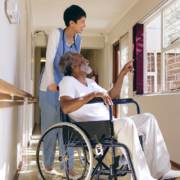
CHICAGO, IL – Illinois nursing homes are continuously challenged by an inadequate amount of care workers to provide to residents needs. Although Illinois law requires 2.5 hours of direct care for residents each day, very few residents actually get that amount of direct care time which puts them at risk for abuse and neglect.

Some long-term facilities have routinely been understaffed for years while others manage facilities with little interest in providing attentive, quality resident care. As a result, fall-related injuries among residents are on the rise.

Hazards that can cause fall injuries to occur in nursing homes include:

  • Bathtubs without handlebars
  • Beds that are set too high
  • Broken bed rails
  • Improper transfer from wheelchair to bed, bed to toilet, or chair to chair
  • Understaffed departments unable to attend to patient’s needs (grooming, toileting, mobility to wheelchair or walker)
  • Over-medicating residents with anti-anxiety drugs and sedatives
  • Restraints
  • Stairs
  • Electrical cords
  • Poor lighting
  • Wet floors
  • Loose rugs
  • Poorly fitted wheelchairs
  • Poorly maintained wheelchairs

Falls are the leading cause of injury-related deaths among adults age 65 and older, according to the Centers for Disease Control and Prevention (CDC).

Injuries from Fall Injures in Nursing Homes

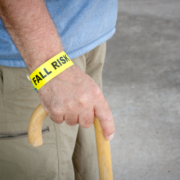
Between 50 to 75% of nursing home residents will have a fall each year. When elderly individuals fall, these injuries can be severe as their bones are not able to recover the way a younger person’s bones do. Fall injuries in nursing homes can lead to bone fractures, brain injuries, or even death.

Residents that are prescribed antipsychotics, blood thinners, and anticonvulsant drugs also carry their own extra risk of falling.

Because of how common and well-known fall injuries are in long-term care facilities, staff should take extra precaution and follow care plans that include fall prevention strategies. When improper care is provided and staffing levels are insufficient, it becomes easy for an older adult to become injured by a preventable fall.

The CDC states that the rising number of deaths from falls amongst this older age group can be addressed by “screening for fall risk and intervening to address risk factors such as use of medicines that may increase fall risk, or poor strength and balance.”

Contact a Chicago Nursing Home Abuse and Neglect Attorney

The experienced nursing home abuse and neglect attorneys of Dinizulu Law Group have brought justice for our clients and their families while upholding responsible parties for the abuse and neglect their loved ones endured. If a loved one has sustained serious injuries resulting from a fall at a nursing home, you may be entitled to compensation. There is a time limit to file a case in Illinois, so please contact our office for a free consultation with one of our skilled nursing home attorneys.

If you suspect any fall injury resulting from neglect or abuse at your loved ones nursing home, contact the attorneys of Dinizulu Law Group for a free consultation at (312) 384-1920 or visit our website for more information.

Can I Sue A Nursing Home For Infections & Sepsis in Chicago, Illinois?

CHICAGO, IL – There are very few medical conditions that are more life-threatening to the lives and well-being of the elderly than infections and sepsis. The elderly are the most vulnerable to develop infections, such as sepsis, while simultaneously being the less capable to fight off infections, which can be catastrophic and even deadly for this population.

Infections can be unavoidable, and when they are, it can be terrifying. Infections, and sepsis, in particular, can be very painful and attack a person’s entire body. Health care providers know how deadly an infection like sepsis can be for the elderly which is why they have a duty to do everything possible to prevent this.

Nursing home administrators and staff can be negligent in their responsibilities to residents, which can lead to abuse, suffering, or death. It’s important if your loved one is a nursing home facility that they have someone to advocate for them, as they likely can’t for themself.

Common Infections in the Elderly

  • Bacteria Pneumonia: Increased exposure in nursing home settings can make this form of pneumonia spread quickly amongst the population
  • Influenza: The closed corridors of a nursing home environment make it highly contagious and dangerous for an elderly individual to develop to the flu; furthermore, this can lead to pneumonia. Flu and pneumonia are the sixth leading cause of death in America with the elderly population making up 90% of deaths.
  • Skin Infections: Bacterial or fungal foot infections, shingles, cellulitis, pressure ulcers or bedsores, and MRSA are common causes of skin infection in nursing home facilities.
  • Gastrointestinal Infection: Two common gastrointestinal infections in the elderly due to changes in the digestive tract are Clostridium Difficile and Helicobacter pyloria.
  • Urinary Tract Infections: Residents who need a catheter, suffer from diabetes or immobility can cause UTI’s.

Sepsis and the Elderly: Attacking the Most Vulnerable Population

Sepsis is a “potentially life-threatening condition that occurs when the body’s response to an infection damages its own tissues. When the infection-fighting processes turn on the body, they cause organs to function poorly and abnormally.” Many organs are involved in this type of infection and are at-risk to fail.

Sepsis may progress to sepsis shock. Sepsis shock is the “dramatic drop in blood pressure that can lead to severe organ problems and death.”

Risk factors related to sepsis are:

  • Older age
  • Compromised immune system
  • Diabetes
  • Chronic kidney or liver disease
  • Admission to intensive care unit or longer hospital stays
  • Invasive devices, such as intravenous catheters or breathing tubes
  • Previous use of antibiotics or corticosteroids

Many residents who enter a nursing home suffer from one of the above listed risk factors. Situations such as this require heightened vigilance; unfortunately, nursing home staff doesn’t always remain on their feet about this.

Contact a Nursing Home Neglect and Abuse Attorney in Chicago, Illinois

A nursing home neglect and abuse attorney can help get you answers about your loved one’s infection(s) or sepsis. Nursing homes have a duty to take reasonable steps to prevent known health vulnerabilities to develop. The attorneys of Dinizulu Law Group have the experience and resources to hold nursing home facilities accountable for the negligence and abuse that your loved one may have endured. Call our office today for a free consultation at (312) 384-1920 or visit our website for more information.

Who is Responsible for Injuries Sustained on a Construction Site in Illinois?

CHICAGO, IL – Construction sites pose a dangerous threat to the lives of construction workers. Catastrophic injuries can occur from defective construction equipment, lack of supervision, improper equipment, and improper training. Illinois negligence and workers’ compensation laws may apply to specific injury related cases. For example, a worker may not meet the eligibility requirement for a workers’ compensation claim, but they may have a claim against a manufacturer of construction equipment or a sub-contractor.

In Illinois, construction accidents are typically resolved according to common law principles of negligence law. The Illinois Workers’ Compensation Act works to resolve the claims of workers. Government entities may owe workers a duty to maintain highway conditions and eliminate any harmful risks to workers.

Construction injury claims often entail filing a negligence claim against one or multiple parties. It’s common for there to be more than one defendant which can include a subcontractor, government agency, architect, engineer, manufacturer, distributor, or general contractor. The worker filing the claim must prove they have been injured under negligence law and Illinois Workers’ Compensation Act.

There are at least six different ways that you can receive compensation for your construction injury:

  • Workers’ compensation claim
  • Lawsuit against one of the other construction companies or subcontractors on the work site
  • Product liability lawsuit when construction equipment at the work site malfunctions
  • Filing a claim against a coworker that caused the injury
  • A lawsuit against your own employer (if exceptions from the workers’ compensation apply)
  • Filing a court case against the company that’s responsible for maintaining the work site

Lawsuits Against Subcontractors

While you cannot file a lawsuit as a plaintiff against your own employer for a construction injury accident, there are multiple parties you may hold liable for the negligence. There may be several contractors or subcontractors.

Unlike a workers’ compensation, a personal injury lawsuit requires you prove that someone failed to live up to their standard of care. For example, if you are a subcontractor, you can file a lawsuit against the negligent general contractor if they were at fault for the injuries you sustained.

Product Liability Lawsuits

Defective tools and machinery are the main causes of construction site injuries. Some examples of different machinery that could injure a worker may include:

  • Cranes
  • Front loaders
  • Machine Tools
  • Backhoes

You can win a product liability lawsuit if you are able to prove that construction equipment was defectively manufactured, designed, or the company did not adequately warn you of the dangers of the machinery or equipment. For example, the design of a product could be unreasonably dangerous, in which you could receive compensation for. Alternatively, if a crane was not properly assembled, you may also have a product liability case.

Negligent Lawsuits Against A Third Party

There are many other entities you can hold accountable for your injuries through a third-party personal injury claim. For example, the property owner that controls the construction site may be separate from your employer.

You could also bring a civil lawsuit forward against your coworker if they were negligent and it caused your injury; however, you would need to consider the likelihood if they’d be able to pay the verdict.

Workers’ Compensation Claim

The great thing about workers’ compensation claim for a worker is that it is a no-fault system. Meaning if you were partially or completely to blame for what happened, you can still receive compensation. The downside to this type of claim is that the damages you can be paid are limited.

Workers’ compensation benefits allow for the worker to be paid for your lost wages from work that you have actually missed, the cost of medical bills, and other medical expenses. You may also be paid for lost earnings capacity from a construction related injury. However, you cannot receive non-economic damages in this type of claim. This means you cannot recover compensation for physical pain and suffering or punitive damages.

Filing a Lawsuit Against Your Own Employer

When filing an injury lawsuit, you ideally would want to file a personal injury claim against your own employer. A general rule typically is a worker must be able to prove much more than negligence.

Illinois law have very limited exceptions that would allow you to sue. You typically can only file a personal injury lawsuit against an employer if they acted intentionally or if they didn’t have workers’ compensation insurance. Illinois also does not have a gross negligent standard, as there are in many other states.

What to do If You’ve Been Injured at a Construction Site

If you’re working on a construction site and have been injured, you should call an experience personal injury attorney right away. An attorney can help identify the negligent party, and in these types of cases, there’s often multiple parties to be held accountable.

The seasoned practitioners of Dinizulu Law Group have secured multi-million dollar verdicts and policies for our clients by holding negligent parties accountable for work-related injuries. Our attorneys have the resources and knowledge that is able to secure damages for your case. Call our office today for a free, no obligation consultation at (312) 384-1920 or visit our website for more information.

Steps to Take After a Nursing Home Worker Harms a Resident Who Suffers from Dementia

A large percentage of aging individuals today suffer from some form of dementia. Dementia is a syndrome that can affect a person’s memory and thinking abilities, according to the World Health Organization (WHO), and it can also lead to a person experiencing changes in their behavior. The WHO estimates that approximately 50 million people have dementia worldwide and 10 million new cases are recorded each year. 

There are different forms of dementia, with Alzheimer’s recognized as the most common, and the illness is known to “cause disability and dependency among older people.” Many individuals who suffer from dementia either rely on family members or health care professionals such as nursing home staff members to assist them with simple tasks because the illness interferes with their ability to perform them on their own.

Although caring for and assisting a person who suffers from dementia can be challenging at times as they are often forgetful and sometimes struggle with communicating, never should their health or safety be put in jeopardy.

Addressing a Case of Nursing Home Abuse Involving a Resident with Dementia

Nursing home abuse comes in many forms and individuals who suffer from some type of dementia are often the ones who are at a higher risk of being mistreated. This is because they often have a more difficult time remembering something happened and therefore, are unable to report it.

If you believe your relative who suffers from dementia has been abused or neglected by nursing home staff members and are looking to gain a better understanding of what your next steps should be, you’ve come to the right place. At Dinizulu Law Group, Ltd., our goal is to help you become well informed on what your loved one’s legal rights are and how they can be exercised when they are violated. 

Nursing home residents have the right to live a life free from abuse and neglect and when that right is ignored and overlooked, something needs to be done to address it. And that’s where our team of skilled Chicago nursing home abuse lawyers come into the picture. In order to address a case of nursing home abuse, your first step is to contact our office for an initial consultation. From there, we will:

  1. Determine if you have a valid case. In order to address a case of abuse, you will need to have some sort of evidence to substantiate your claims. 
  1. Help you take action. If your loved one is being harmed, it is important to remove them from the unsafe setting or report your concerns so that the worker who is being accused of abuse is no longer permitted to render care or supervise your loved one. There are different options that should be explored and a Chicago, IL nursing home abuse attorney will review with you what these are.
  1. Start your case. Before a case goes to court, you do have the option of informing the nursing home that you are planning on suing if corrective action isn’t taken and/or your loved one isn’t provided with damages to make up for their pain and suffering and other losses. Sometimes, when a nursing home is made aware that they could face legal action for abuse allegations, the facility may be inclined to work with you to reach some sort of settlement agreement. Of course, a skilled Chicago, IL nursing home abuse attorney will assist you through this process.
  1. File a civil lawsuit. In the event a settlement cannot be reached between you and the other party given you have a viable case, then we will discuss the possibility of filing a civil lawsuit.

Because each type of nursing home abuse case brings different circumstances, the course your case might take may differ from what is described above. Therefore, we do recommend that you take the time to sit down with a nursing home abuse lawyer to find what options are available to you and your loved one.

Types of Nursing Home Abuse Our Firm Can Help You Address

As previously mentioned, nursing home abuse does occur in many forms and some of the types of nursing home abuse cases we are equipped to handle include:

  • Physical abuse
  • Psychological abuse
  • Sexual abuse
  • Financial exploitation
  • Neglect 

Time Limit to Take Legal Action Against a Nursing Home in Chicago, IL

If you think you have a case or are planning on filing a civil lawsuit against a nursing home in Chicago or a nearby area, you are restricted to a time limit which is referred to as the statute of limitations. For most cases stemming from personal injury, an individual has two years from the date of the incident to file their lawsuit.1 After the statute of limitations expires, you may no longer be permitted to take legal action. 

Dinizulu Law Group, Ltd. is Ready to Help with Your Nursing Home Abuse Case

Finding out that a loved one is being abused by nursing home staff members is difficult news to take in but we want you to know that our team of experienced and knowledgeable lawyers are here to help. If you would like to find out what legal remedies are available to you or simply discuss your questions or concerns with a qualified Chicago nursing home abuse attorney, contact Dinizulu Law Group, Ltd. at 1-312-384-1920.

Dinizulu Law Group, Ltd. is located in Chicago at:

221 North La Salle Drive, Suite 1100

Chicago, IL 60601

Phone: 1-312-384-1920

Website: www.dinizululawgroup.com


Source:

  1. https://www.ilga.gov/legislation/ilcs/ilcs4.asp?ActID=2017&ChapterID=56&SeqStart=99900000&SeqEnd=103300000 

Semi Truck Crashes into Snowplow, Causing 22-Car Pile Up

CHICAGO, Ill. – A multi-vehicle crash on Wednesday left one person dead and several other injuries on Interstate 41 in Wisconsin.

A semi-truck hit a snowplow, causing it to overturn and roll into a ditch.

A witness said, “visibility cut and then all the sudden I was seeing the semi in front of me and then you could see stuff in the ditch on the left and the ditch on the right and then just the unfolding of the semi hitting the dump truck in front of me.

The crashes took place near State Highway 144 and Cedar Creek Road in Polk, Wisconsin, about an hour northwest of Milwaukee.

There were at least three chain-reaction crashes within a 20-mile stretch, according to the Washington County Sheriff’s Office. It is not clear how many people were injured or how many serious injuries there were.


Prevalence of Sexual Abuse in Nursing Home Facilities

CHICAGO, IL – When placing your loved one in a nursing home, you assume you can trust the facility and staff members to provide the best care and protect our family members. Many nursing homes are staffed with compassionate and attentive employees; however, others can expose residents to abuse and neglect. One of the most disturbing forms of nursing home abuse is sexual abuse.

Offenders of Sexual Abuse

Nursing home residents are some of the most vulnerable members of our society. Physical disabilities may reduce residents’ ability to care or protect themselves from harm. Cognitive impairments such as dementia or Alzheimer’s can reduce a resident’s ability to remember, communicate, and understand what’s occurring.

Unfortunately, these vulnerabilities make residents an easy target for abuse. There were more than 20,000 complaints of sexual abuse in nursing homes over the past 20 years according to the Administration for Community Living. This means that every day a resident is being sexually abused in their nursing home facility.

Common perpetrators of sexual abuse are those are typically in nursing home facilities such as friends, nursing home assistants, family members, live-in nursing aides, and other care providers that are left alone to care for residents.

Nursing Homes Legal Duty to Ensure a Safe Facility for Residents

Nursing homes have a legal obligation to protect residents in their facility from sexual abuse. Nursing homes should protect residents by:

  • Training staff members on how to recognize signs of abuse
  • Properly conducting thorough criminal background checks during pre-employment
  • Taking residents’ complaints seriously
  • Ensure the facility has proper security including functional locks, alarm systems, and security personnel
  • Properly supervising residents
  • Ensuring violent residents with a history of sexual abuse are not left alone with other residents

Preventing and Reporting Nursing Home Sexual Abuse

If you suspect your loved one has been sexually abused in their Illinois nursing home, family members and staff members should report the suspected abuse to Adult Protective Services to be investigated further.

A government-assigned caregiver will be in charge of the investigation and talk with the elderly individual to discuss what happened during the incident. They may also ask questions regarding the mental stability, current living circumstances, and the relationships in the elderly person’s life.

If sexual abuse is strongly suspected, the resident will be moved to a different healthcare environment. They may also be treated with sexual abuse counseling or medications.

If you suspect any kind of sexual abuse, please call our experienced sexual abuse nursing home attorneys of Dinizulu Law Group. Our skilled attorneys have the knowledge and resources to bring your loved one justice. Please call our office today for a free consultation at (312) 384-1920 or visit our website for more information.

Ways You Can Advocate for Your Loved One’s Health

Patients in need of care can’t always actively advocate for their own health. They may be too young, or they may be dealing with age-related issues such as dementia or Alzheimer’s or may be in too much pain to listen to their healthcare provider carefully; nevertheless, sometimes a person may need a medical advocate to ensure they receive the adequate care they deserve. Medical advocates can help doctors and caregivers understand the patient’s medical history and risk factors, in addition to catching medical mistakes and even abuse.

  1. Ask Questions

One of the best ways you can advocate for your loved ones health is by asking questions. Whether they’re information-driven questions or asking the hard questions, such as what happens if a procedure goes wrong, it’s important these questions are asked if you’re loved one can’t for themselves.

Asking questions may sound easy; however, it can be overwhelming as it requires basic healthcare knowledge and detailed information about your loved one’s condition.

  1. Answer Questions

Your loved one may have many questions about their health, especially when it comes to healthcare procedures. This can be intimidating and overwhelming for someone who is in chronic pain or is already dealing with a bad diagnosis.

As someone’s healthcare advocate, step in whenever you can to help or answer any questions your loved one might have. This may include routinely filling out patient information for them. If any confusing questions are asked, make sure to answer them for your loved one in a manner that doesn’t add unnecessary stress to the situation.

  1. Bring Medical Information

If you’re loved one is dealing with a difficult diagnosis, this can be very difficult on the patient and loved ones. It can make it easy to overlook basic things, such as bringing crucial medical information with you to an appointment or procedure.

As a medical advocate, make sure to have a copy of the patient’s medical history, medications, personal information, and ID cards with you prior to the appointment.

  1. Takes Notes

Bring a notepad – don’t be afraid to take notes of what your loved one’s medical provider is telling you. Write down the medication dosage your loved one may need, or what their rehabilitation procedure will look like, or their dietary restrictions leading up to a procedure. This provides a physical record you can return to.

  1. Look Out for Mistakes

One of the most crucial things you can do as your loved one’s medical advocate is remain vigilant for mistakes. For example, a prescription can be poorly written or furthermore, need further clarification.

While doctors and nurses should be on their feet against errors like this, this doesn’t always mean it’s true. Healthcare providers work extremely long hours and are often understaffed, both of which leave room for medical errors to happen. As an advocate, it’s important to recognize abuse or neglect for your loved ones health.

  1. Speak Up When Somethings Not Right

Whether you find an error in your loved ones prescription or you’re confused on the rehabilitation after a procedure, it’s important to ask these questions. If you have these questions, it’s likely your loved one does too. It’s important to remain confident in critical medical situations. Do not let a healthcare provider rush you out the door until they answer all of your questions and concerns. As your loved ones advocate, it’s important to fight for them and speak up for them when they are unable to.

  1. Communicate Your Loved Ones Wishes

While it’s easy to get caught up in our own thoughts and opinions, you are your loved ones medical advocate first. You have to remember you are representing someone else – not yourself. Communicate their concerns and wishes to doctors and nurses, even if you don’t necessarily agree with them. You can discuss your opinion with your loved one behind closed doors, but it’s important to remain confident and communicate clearly and effectively what their wishes are.

  1. Don’t Give Up

Being a person’s medical advocate can be tiring, uncomfortable, and unpleasant at times. Remember, these are the times your loved one needs you the most. Don’t give up and stay strong for your loved one. Know if you are scared, they are twice as scared. Remind them everything will be okay and you will continue to advocate for them until they are satisfied.

Contact a Medical Negligence and Abuse Attorney in Chicago, Illinois

If your loved one has suffered from medical negligence or abuse, it’s important you reach out to the police immediately and contact an experienced medical negligence and abuse attorney right away.

The seasoned medical negligence and abuse attorneys of Dinizulu Law Group have the knowledge and resources to hold your loved ones healthcare provider(s) accountable. We know this can be overwhelming, and we ensure we do everything to make this an easier process for our clients. Call our office today at (312) 384-1920 for a free, no obligation consultation today or visit our website for additional information.

How Negligent Care Can Lead to Nursing Home Fall Accidents

CHICAGO, IL – Putting your loved one in a long-term care facility is a tough decision for anyone to make. Many people worry the quality of care their loved one will receive from nursing homes and what is going on behind closed doors. Unfortunately, issues such as understaffing and inadequate staff training have led to nursing home neglect in facilities across the country. When nursing home staff acts negligently or the facility is not equipped with appropriate safety measures, serious fall accidents are more likely to occur.

Falling is Often Catastrophic or Deadly for Elderly or Disabled Residents

According to the Centers for Disease Control and Prevention (CDC), one in four Americans aged 65 and older have a fall each year. In 2018 alone, approximately 36 million falls were reported among seniors. Of those, more than 8 million required medical attention for at least one day; shockingly, more 32,000 elders died from the fall and the injuries they sustained.

Some falls may only result in bruising or abrasions; however, other falls may result in broken bones, traumatic brain injuries, spine injuries, or even death.

Those who suffer from an impairment like Alzheimer’s or dementia, or arthritis, diabetes, anemia, impaired sight or hearing, and neuropathy are a greater fall risk than those without these conditions.

How Nursing Homes Can Prevent Fall Injuries

There are many precautions that can be taken to prevent fall injuries from occurring; however, some of the best ways to prevent nursing home falls include:

  • Nursing home staff should always be attentive towards residents. Proper equipment should be made available to residents who require extra assistance. These residents should always receive the proper foot care, shoes, and appropriate walking aides.
  • All staff members should be trained on fall prevention strategies, as well as the risks involved when a resident suffers a fall.
  • Every resident should have a completed risk assessment which includes all past accidents and falls, medications taken, and general physical health. Risk assessments identify which residents are high risks for falls, develop interventions to prevent falls, discuss at-risk residents and modify changes in care plan, and carry out investigations, including root cause analysis, when a fall occurs.
  • Nursing homes should never have any environmental hazards, and if they do, should be removed immediately. Environmental hazards in nursing home facilities include: poor lighting, slippery floors, debris in walkways, improper exit signs, improperly maintained or fitted wheelchairs, incorrect bed height, broken equipment, and more.
  • Nursing homes should carefully avoid incorrect bed heights and faulty bed rails. Faulty bed rails and incorrect bed heights account for nearly 30 percent of nursing home falls nationwide.
  • Exercise programs, including stretching, physical therapy, and balance should be available for all residents. Statistics show that although exercises may not help with preventing falls, it will help improve strength and balance which can lessen injuries if a fall were to occur.

How A Fall Injury Can Impact a Nursing Home Resident’s Life

Suffering from a fall can change a senior’s life. Some negative consequences of a fall occurring can include:

Robbing a person of mobility and independence: A person who was once able to walk around on their own may now have to use a cane, walker, or wheelchair to get around. A resident may also become less active because they are afraid.

A person can fracture a leg, hip, or other bone in a fall: If they try to break their fall, they may break an arm or wrist in the process. If they hit their head while suffering a fall, it could result in traumatic brain injury.

A fall can cause an elderly person to undergo surgery: Surgery opens the door of many potential complications, such as surgical infections or blood clots.

Long recuperation and painful physical therapy: Older people heal much more slowly when trying to recover from an injury. When a person suffers a severe injury, they will likely have a lengthy recovery time that often involves physical therapy.

Less mobility: Less mobility puts a person at a much higher risk of developing pneumonia, bed sores, and other health complications. Initially, the patient will be lying in bed much more while recovering, so staff members must be vigilant to prevent these issues.

What to do If You Suspect Your Loved One Has Sustained a Fall Injury

A nursing home may be held liable for a fall accident if staff members acted negligently, or the nursing home was not kept in a reasonably safe condition which resulted in your loved ones fall. If you suspect that your loved one’s fall was caused by nursing home negligence, contact the attorney’s of Dinizulu Law Group. Our experienced nursing home negligence attorney’s have the knowledge and resources to bring justice for your loved one. Call our office today at (312) 384-1920 for a free consultation today or visit our website for more information.

How to Address Unsanitary Conditions in a Nursing Home in Chicago

Nursing homes are expected to maintain a certain level of cleanliness not only because residents deserve to live in a facility that is sanitary and clean, but also because unsanitary conditions promote the spread of bacteria and infections. Unfortunately, not all workers in these facilities recognize how serious it is to maintain a healthy level of sanitation. 

If your loved one is currently living in a facility in Chicago that appears to be unsanitary or you have noticed certain measures not being implemented by staff members that aim to prevent the spread of germs and infections, there are a few ways you can address the issue.

  1. Report your findings to the administrative team. 

A nursing home resident’s health and safety and two very important things that should never be put in jeopardy. If a nursing home resident is put at risk of contracting a deadly virus or an infection simply because staff members aren’t being cautious or cleaning up behind themselves or the residents they care for, this should be brought to the administrative team’s attention. 

If nursing home workers aren’t implementing certain measures to help keep residents healthy and well, they could be accused of being neglectful. Residents who aren’t provided with the care and attention they are expected to receive may be a victim of neglect. Nursing homes that promote neglectful behavior or fail to intervene after an incident has been reported can be held financially liable for causing a resident to suffer from one or more health conditions.

  1. Report the issue to the Illinois Department of Public Health (IDPH). 

There are many different public and private agencies that regulate and inspect nursing homes in Illinois, the IDPH being one of them. The agency is responsible for conducting on-site inspections to ensure nursing homes are in compliance with mandatory state regulations. If a home is found to have a deficiency, the facility can rebut the allegations. However, if the home ends up being cited, it will be given 10 days, according to the IDPH to “submit a written plan of correction” that details “how and when each deficiency will be corrected.”

How to report a nursing home to the IDPH? 

Because the IDPH is responsible for investigating complaints involving a lack of infection control, you can file a health care complaint with the agency if you feel the home is putting their residents’ health and safety at risk and aren’t doing anything to correct the issue. To file a complaint with the IDPH, you will need to either submit a Healthcare Facilities Complaint Form via mail or fax or call the agency at 800-252-4343. 

The complaint form along with the agency’s mailing address and fax number can be accessed by clicking here.

When should I contact a Chicago, IL nursing home neglect lawyer? 

The nursing home neglect attorneys at Dinizulu Law Group, Ltd. are always here to answer your questions and address your concerns. Therefore, you can contact us anytime you feel there is an issue that is putting your loved one at risk. We also advise that you contact us if your loved one has been the victim of abuse or the neglect they have been subjected to has caused them to experience adverse effects.

What can a Chicago nursing home neglect attorney do for me?

Nursing homes are required to meet certain state and federal standards as well as respect a resident’s rights. Facilities that fail to meet these standards and cause a resident to suffer can be sued for damages. For example, let’s say your loved one was exposed to a deadly virus as a result of staff members being neglectful and their health declined as a result. They had to undergo medical treatment and later passed away. Because their decline in health along with their death could have potentially been avoided, the facility could be held financially liable for them passing away.

A facility might also be held accountable for the pain and suffering a resident experienced as a result of workers failing to implement an effective infection control plan. 

When a nursing home fails to meet certain standards or becomes lax and allows the facility to become unsanitary, a nursing home abuse lawyer will look to see if one or more employees’ actions are responsible for causing your loved one to suffer. If a connection can be made, you may have the grounds to file a civil lawsuit and request that your loved one being awarded compensation. 

The Chicago Nursing Home Neglect Lawyers at Dinizulu Law Group, Ltd. Will Walk You Through the Lawsuit Process

If we determine you have a viable case against a nursing home in Chicago, you can rest assured that we will help you through each phase of the lawsuit process. In fact, you can count on us to handle most of the work for you. Learning that a loved one is being neglected is never easy to digest, but there are ways to address the issue and even obtain justice for the pain and suffering a facility has caused your loved one to experience.

If you are interested in receiving a free consultation to learn more about how our firm may be able to help you, contact us today at 1-312-384-1920.

You can contact Dinizulu Law Group, Ltd. at:

221 North La Salle Drive, Suite 1100

Chicago, IL 60601

Phone: 1-312-384-1920

Website: www.dinizululawgroup.com

What is the statute of limitations for filing a lawsuit against an Illinois nursing home?

Nursing homes are often recognized in lawsuits for things like resident abuse and neglect. When a nursing home facility fails to provide a resident with the proper care and/or supervision which leads to him/her suffering from one or more health issues or injuries, the home can be acknowledged for its negligence and may be required to provide the resident or their family with damages (i.e. financial relief). 

There are many steps an individual or their family members must take when they decide to sue a nursing home. One of those steps is determining whether they still have time to take legal action. The State of Illinois, like all other states, has set a statute of limitations for filing a lawsuit against a nursing home. The statute of limitations is more like a clock, and once that clock stops ticking, the party looking to file suit may no longer have a case.

Illinois’ Statute of Limitations for Suing a Nursing Home

If a nursing home resident in Chicago, IL was physically harmed, abused, or neglected by one or more nursing home staff members, they generally have two years from the date of the incident to bring their lawsuit against the facility.1 However, if a resident was injured by a health care worker within the facility such as a nurse or doctor, then the statute of limitations may differ. There are also other circumstances that might reduce or extend the statute of limitations for suing a nursing home for personal injuries.

If you are considering filing a lawsuit against a nursing home in Illinois and you would like to know how much time it is you have left to come forward with your civil action, the Chicago nursing home abuse lawyers at Dinizulu Law Group, Ltd. would be happy to discuss this with you.

What are some valid reasons for suing a nursing home in Illinois?

There are many reasons why a resident or their loved ones might decide to bring a lawsuit against a nursing home in Chicago. Below we have outlined a few for you.

  1. Physical Abuse

Physical abuse is a common issue that exists in nursing homes today. Examples of physical abuse include shoving, slapping, hitting, grabbing, and scratching. Caring for a nursing home resident isn’t always easy but the individuals hired to tend to them and supervise them should never bring harm upon them simply because they are frustrated, tired, or believe their actions will go unnoticed. 

  1. Sexual Abuse

Sexual abuse is another known issue that exists in nursing homes today, although it is underreported. Because many nursing home residents suffer from conditions that interfere with their physical and cognitive abilities, many are unable to express when they are being mistreated by one or more staff members. 

However, if you believe your loved one is a victim of sexual abuse, not only might you be able to bring charges against the workers who violated them, but you may also be able to sue the facility for damages. If awarded, you could potentially collect compensation that would help get them moved into a better facility or explore the other alternatives to nursing home care.

  1. Neglect

When a nursing home resident is not provided with the care and/or supervision they are required to receive, this is generally classified as neglect. Individuals move into nursing homes for many reasons, one of them being their need for round-the-clock care and supervision. But, if their needs go ignored and their requests go unanswered, their health may begin to suffer. 

How do I file a lawsuit against a nursing home in Chicago?

If you are looking to file a lawsuit against a nursing home facility in Chicago, either because your loved one was neglected or abused, you are advised to consult with a Chicago, IL nursing home abuse lawyer. Suing a nursing home isn’t exactly an easy thing to do as you will be expected to understand the laws that apply to your case as well as gather evidence to support your allegations.

The Chicago, IL nursing home abuse and neglect lawyers at Dinizulu Law Group, Ltd. are familiar with the steps that need to be taken in order to properly sue a nursing home and would be happy to explain to you what these are. In addition, we can review your case to determine if it would be in your best interest to sue. In the event you do have the grounds to sue, our experienced Chicago nursing home abuse attorneys would be happy to provide you with the legal representation that you will not only need, but also deserve. 

To learn more about our firm and how we can help you through this challenging time, contact us today at 1-312-384-1920 for a free consultation.

You can contact Dinizulu Law Group, Ltd. at:

221 North La Salle Drive, Suite 1100

Chicago, IL 60601

Phone: 1-312-384-1920

Website: www.dinizululawgroup.com

Source:

  1. https://www.ilga.gov/legislation/ilcs/fulltext.asp?DocName=073500050K13-202 
Translate »