Tag Archive for: Nursing home neglect

Posts

How to Find the Right Nursing Home for Your Loved One?


There are many factors to keep in mind when choosing the right nursing home for your loved one. Should you find one that’s located near your parent’s residence or near yours? Is my mom still independent or does she need nursing home care? As questions like these and many other come to mind a good place to start is by evaluating the quality of care in nursing homes you may be considering.

Many nursing homes participate in Medicaid and Medicare programs that are responsible for funding these nursing home care facilities in Chicago and nationwide.

Medicare has a 5-star rating system that evaluates nursing homes based on the quality of care they provide. Factors like inspection results and staffing levels and many others come into play to rank nursing homes accordingly. Anyone who is considering a nursing home for themselves or for a loved one should first look at how the nursing home in their chosen area ranks.

Problems such as understaffing can be revealed through these Medicare rankings. Know that understaffing is one of the major causes of nursing home neglect. Kaiser Health News recently reported 1400 nursing homes received lower rating due to shortages in staffing.
Gaps in understaffing have caused malnutrition or dehydration for elderly residents to the point where families have lost loved ones. Understaffing is also linked several other signs of neglect. Residents who have limited mobility are at a higher risk to develop bedsores and other infections that are likely to go untreated and turn into life-threatening conditions in understaffed facilities. Elderly residents are already at a higher risk to recover from common illnesses. Add a nursing home that doesn’t provide adequate care and serious harm can happen to a loved one.

While many caregivers mean well, they cannot realistically provide all the needed care for all residents if it’s their employer that’s cutting corners. Nursing homes make a deliberate choice to save expenses by not hiring the needed staff.  When the staff-to-resident ratio is unbalanced, nursing home neglect in a Chicago facility or elsewhere becomes inevitable.

While we encourage everyone to stay informed about the nursing home facilities in Chicago or elsewhere where you and your loved one may get the best care, nursing home neglect can happen in any facility. If you or your loved one is hurt in a nursing home due to lacking care, know that there are options for you. Contact the Chicago nursing home neglect attorneys of Dinizulu Law Group, Ltd. With over 50 years of combined experience, we have helped thousands of injured victims get justice and full and fair compensation at the time when they needed it the most. Reach our nursing home neglect lawyers in Chicago at 1-312-384-1920 or 1-800-693-1LAW, or by email.


Verbal Threats Are Still Nursing Home Abuse

When we think of nursing home abuse, we often think of elderly residents being hurt physically when care is lacking in a nursing home facility. Issues that often come to mind are:

  • Bed sores
  • Dehydration or malnutrition
  • Soiled clothes or linens
  • Bruises
  • Untreated infections

These physical forms of abuse can be investigated by the skilled and knowledgeable nursing home attorneys at the Dinizulu Law Group, Ltd. But it’s important to know that verbal and mental abuse is also common in nursing home facilities. In such cases, the law still guarantees you or your loved one protections. Verbal or mental abuses include threatening a resident by:

  • Yelling
  • Intimidation
  • Humiliation
  • Blame

Such examples include threatening to withhold food, intimidating the elder from socializing with visiting family members, or demeaning the elderly person for certain behavior. This type of emotional abuse can be silent as well, and this usually happens when a caregiver ignores the elder’s requests and needs.

While the physical signs of such abuse may not be immediately visible, the emotional and psychological impact of this abuse is damaging, and does ultimately have physical effects. Therefore, it is important to get help right away for your loved one. Know that Illinois law entitles you or your loved one to full and fair compensation if you or your family member has been affected by verbal or mental abuse.

At the Dinizulu Law Group, Ltd. our nursing home abuse attorneys in Chicago are dedicated, knowledgeable, and have over 50 years of combined experience. We hold those liable who have brought harm to you or your loved ones. Our verdicts & settlements have helped many families get answers and arrive at a place of security. Call our Chicago nursing home abuse lawyers at 1 (312) 384-1920 or 1 (800) 693-1LAW or reach us by email to get more info.

When Forced Feeding is Nursing Home Abuse


As our loved ones age, their appetites may diminish or they may have health conditions that cause difficulty in eating and swallowing food. When this happens it’s important that our loved ones are not malnourished or dehydrated due to a reduced nutrient intake.

Long-term residential facilities like nursing homes are required to provide around-the-clock care for their residents. This includes not just feeding residents, but also monitoring their daily calorie and nutrient intake.

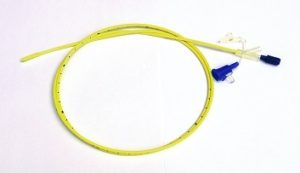
Residents with health conditions like dysphagia have trouble swallowing food and are more likely to aspirate, meaning getting food or liquid breathed into the airway, which may lead to pneumonia. But even in these instances, a feeding tube should only be used as a last resort to prevent malnutrition or dehydration. Initial steps can be taken to help a resident get adequate nutrition. Such steps include:

  1. Providing a resident with physical therapy to help with swallowing or using utensils
  2. Providing utensils that are easier to hold and use
  3. Sitting with the resident and manually feeding the resident

feeding tube nursing home neglect

If any of the preliminary steps work and help a resident get the daily calorie intake they need, there is no reason to put a resident on a feeding tube. But many nursing homes, for their own convenience and in order to save on staff expenses, will put residents on feeding tubes even when it’s not absolutely necessary. Remember, a nursing home cannot order the use of a feeding tube without the consent of the resident or the resident’s authorized representative unless other options have been exhausted.

Feeding tubes can be live savers, but they can cause complications which are easily avoidable for residents who can eat well through other means. If your loved one is put on a feeding tube you believe is unnecessary, this may be a form of nursing home abuse. Our Chicago nursing home abuse attorneys are here to help if you or your loved one is in harm’s way. Contact the Dinizulu Law Group, Ltd. at 1 (312) 384-1920 or 1 (800) 693-1LAW or by email.

Quality Care Harder to Find for Residents with Mental Health Issues


Our elderly loved ones often need care in a nursing home if they face a mental condition like Alzheimer’s disease or other forms of dementia. This study performed by the University of Rochester School of Medicine and Dentistry in New York found that nursing homes with the highest Medicare rating are the ones least likely to admit patients with mental health conditions.

Even manageable conditions like depression and anxiety lower a resident’s chance of acceptance in the best facilities by 8%. With bipolar disorder, patients were 11% less likely to go to a five-star facility; the odds were 28% lower with schizophrenia, 27% lower with a substance abuse problem, and 32% lower with personality disorders.

Even after excluding dementia and Alzheimer’s disease, which are among the most common causes of nursing home admissions, people with other mental health conditions account for about 50% of all nursing home residents. Knowing these figures, we can only conclude that most five-star facilities are not accessible to the patients most in need.

As a result, what happens is patients with the most needs, such as those who need help with basic daily activities, such as bathing, dressing, and eating, end up in one-star facilities. These facilities receive low ratings due to violations in the quality of care. Meaning, these facilities are already not meeting their existing obligations to all their residents. Add a resident with many physical or mental needs to such a facility and the problem becomes worse.

When a resident with Alzheimer’s or another mental health condition has limited residency options and ends up in a one-star facility, that resident becomes more prone to nursing home neglect. One-star facilities have low ratings because they do not hire adequate staff, have poor training protocols, and may not even be well-versed in dealing with residents with mental health needs, even though many such residents are ending up in these facilities.

At the same time, we should all know that nursing home neglect can happen in any facility. The rate of nursing home neglect has been rising in Chicago and nationwide. Our Chicago nursing home neglect attorneys are here to help if you or your loved one has been harmed in a nursing home. With over 50 years of combined experience, we have recovered millions in verdicts and settlements. Our nursing home neglect lawyers are here for you. Call us at 1 (312) 384-1920 or 1(800) 693-1LAW, or reach us by email.

What Measures Should Nursing Homes Take to Prevent Infections?


Because of the number of patients they house, large residential facilities such as nursing homes are more prone to infections and contagious diseases. But there are precautions and safety measures nursing homes are expected to know and follow that prevent the spread of disease, and can prevent an individual resident’s condition from turning into a large-scale outbreak.

Only four pathogens—influenza virus, norovirus, salmonella and S pyogenes—make up more than 50% of all infectious agents involved. These common viruses and bacteria are easy to tackle if a nursing home has a proper system of infection control and prevention. While many of us have caught and easily recovered from these illnesses, for the elderly they can cause serious health complications, and may even lead to death.

elderly man on wheelchair in nursing home

Influenza Virus
All seniors over 65 are recommended by the CDC to take a flu shot every year around fall. In a nursing home especially, the doctors, nurses, and staff must remain aware of this recommendation and communicate it on patient charts and medical records. Furthermore, all nursing home staff members need to understand the protocols of disease prevention and control. Basics such as changing gloves and washing hands, need to be known and fully followed by staff. Unfortunately, these factors get overlooked in understaffed nursing homes. Employees get overwhelmed by the number of residents they must care for, and they start bypassing even the most basics steps in infection control.

Norovirus
Caregivers, if infected, can easily spread norovirus to residents by having close contact, such as by caring for, or preparing food for them. These are the main duties of caregivers at a nursing home. The dietary department is responsible for preparing residents’ meals, and nurses and other caregivers interact with residents daily. Imagine how many residents could get sick from a sick staffer who prepares their food. Nursing homes should not only have policies that encourage their staff to stay home when they are sick, but also invest in educating all staffers regarding how they can prevent the spread of disease.

Salmonella
Knowledge of food preparation and safety must be known to nursing home staffers, especially those responsible for handling food. Uncooked or undercooked food are usually the cause of salmonella. Many other food-borne illnesses are also easily preventable when a nursing home properly implements food safety guidelines.

Streptococcus
Streptococcus, the bacteria that causes strep throat, can result in more serious conditions such as rheumatic fever, streptococcal toxic shock syndrome, and pneumonia. Streptococcus can spread through airborne droplets when someone with the infection coughs or sneezes. You can also pick up the bacteria from a doorknob or other surfaces and transfer them to your nose, mouth, or eyes. Therefore, because streptococcus is so contagious, it is important for nursing homes to have proper measures in place that can prevent an individual’s sickness from turning into an outbreak.

What You Can Do?
Know that there are options for you if you or your loved one has suffered injury at a nursing home due to an untreated bacterial/viral infection. Our Chicago nursing home neglect attorneys fight for you and hold these care facilities accountable for their wrongdoings. The Dinizulu Law Group, Ltd. has over 50 years of combined experience that we put to the test everyday fighting for you. Contact us for your free, initial consultation. We can be reached at 1 (312) 384-1920, 1 (800) 693-1LAW, or by email.
Nursing Homes & Corporate Webs: A Decline in Resident Care

It may not be a surprise to hear that the business structure of many corporations is getting bigger and more convoluted. Nursing homes are no exception to this trend. But what does it mean for you or a loved one who may need around-the-clock care?

Owners of nursing homes sometimes have competing interests in other industries that may provide products or services, such as medical supplies, linens, etc., that are needed at a nursing home. In such cases, nursing homes often outsource services to a vendor that they have a financial stake in and that they can control operationally. Such business contracts are often non-competitive and charge astronomically higher fees than what another vendor in that industry typically would.

In such a corporate structure, nursing homes are forced by their management to have extremely tight budgets when it comes to staffing needs and training protocols. In the end, it’s the residents who suffer. Kaiser Health News conducted an investigation of American nursing homes and found nearly three-quarters—more than 11,000 nursing homes—have such business dealings, known as “related party transactions.”Some homes even contract out basic functions like management or rent their own building from a sister corporation, saying it is an efficient way of running their businesses and can help minimize taxes.

But nursing home care is worse in facilities with such business ties. Kaiser Health News’ investigation showed:

■ As a group, these homes were 9 percent more likely to have hurt residents or put them in immediate jeopardy of harm, and amassed 53 substantiated complaints for every 1,000 beds, compared with 32 per 1,000 beds at independent homes.

■ Homes with related companies were fined 22 percent more often for serious health violations than independent homes, and penalties averaged $24,441—7 percent higher.

Kaiser Health News’ thorough investigation showed these facilities have fewer nurses and aides per patient, they have higher rates of patient injuries and unsafe practices, and they are the subject of complaints almost twice as often as independent homes. Yet, these types of nursing homes are becoming increasingly common.

As they cut staff and cause their residents injury, when such nursing home facilities are held liable for these injuries, many of them try to avoid responsibility by hiding behind the interconnected corporate structure they have created.

Grandparents nursing home neglect

At the Dinizulu Law Group, Ltd., our nursing home neglect attorneys are familiar with such tactics. When these nursing homes cause their residents injury, often times it’s a deliberate choice to cut corners and not hire adequate staff to provide care for all residents.

If your loved one was harmed in a nursing home, know that there are options for you. With over 50 years of combined experience and millions of dollars recovered in verdicts and settlements, our nursing home neglect lawyers are here for you. Call us at 1 (312) 384-1920 or 1 (800) 693-1LAW, or reach us by email.

Nursing Home Neglect – When Residents Are Kept in Isolation


When we think of nursing home neglect we commonly think of elderly residents not being provided the needed physical care such as:

  • Repositioning, if they face limited mobility, thus leading to bed sores and open wounds
  • Clean and changed clothes and linens, if they are incontinent or have difficulty using the bathroom
  • Dehydration or malnourishment due to a lack of fluid or food intake

These are all serious concerns that a knowledgeable and experienced nursing home neglect attorney will be able to help you with. The Dinizulu Law Group, Ltd. has successfully represented over hundreds of clients facing nursing home neglect. The verdicts and settlements we have reached have helped families move forward after a very difficult time in their lives.

But you should also know about another form of neglect that we don’t typically think of. Elderly residents may be kept in isolation at a nursing home even if their meals are properly provided, they appear clean, and all their health needs are attended to. Limiting residents from participating in social activities, preventing interaction, or offering little to no mental stimulation also constitutes as nursing home neglect. Nursing homes are liable if they keep a resident confined to their room, or bed.

Nursing home resident isolation

The same also applies if the nursing home takes retaliatory action when a resident participates in certain social activities. Examples include verbal abuse, refusing to serve food on time, or if at all, after a resident participates in certain activities.

To watch out for this form of nursing home neglect, here’s what you can be mindful of when you visit mom or dad:

  • Does your loved one seem placed in an isolated part of the facility?
  • Do you see the nursing home staff attend to your family member in a timely manner?
  • Is your loved one afraid to speak in front of staff?
  • Does your loved one show a lack of interest in what used to his or her favorite activities?

If you notice these signs among other symptoms, contact our Chicago nursing home neglect attorneys. Conveniently located in downtown Chicago, the Dinizulu Law Group, Ltd. has recovered over millions of dollars in verdicts and settlements on behalf of wronged clients. Contact us by phone at 1 (312) 384-1920 or 1 (800) 693-1LAW or reach us by email to schedule a free initial consultation.

What Distinguishes a Good Nursing Home Facility From a Bad One?


The latest innovations in technology have helped ensure our elderly loved ones can be safer in a nursing home facility today than what was the case a decade ago. But are all the nursing homes taking advantage of today’s technology? To distinguish a good nursing home facility from bad one, there are many things you can review before selecting a place.

Background Checks

The emergence of electronic records that can be shared between law enforcement across various states have made background checks more reliable and easier to complete. But it’s the hiring practices of the nursing home that can reveal whether it does background checks in a thorough manner, or if at all.

 Safety Alert Systems

While only 5% of the elderly population lives in nursing homes, 20% of elderly falls and accidents occur in them. Almost 2,000 nursing home residents die each year from these falls, and many suffer from other injuries. Good quality nursing homes have extensive training and safety systems in place to minimize the risk of injury among their residents. This includes alerting systems that can buzz and communicate to the nursing home staff when a fall-risk resident gets up unassisted. Top quality nursing homes have these systems so that the onus is not simply on the elderly resident to press a call button to get assistance. Always ask a nursing facility to demonstrate their safety alert system.

Caring For Residents Suffering From Alzheimer’s Disease

Good nursing homes invest in training staff to properly care for residents suffering from Alzheimer’s disease. Caregivers who have extensive training in how to cope with behavior linked to Alzheimer’s are less likely to verbally abuse a resident. These caregivers often understand how to best handle situations that may arise, and are more likely to respond appropriately.

Administering Medicine

Often times, one caregiver is responsible for administering medicine to many residents, and there is a risk that pills can get mixed. These dangers increase if caregivers are overwhelmed, or working in a nursing home that doesn’t hire adequate staff. Good quality facilities will have a highly organized method for administering medications.

Prescription Medicine at nursing home

Such nursing homes will put daily medication doses in sealed packets and cross-reference them to a medication list before administering them to residents. Don’t be afraid to ask a facility about its procedures for administering medications before placing your loved one there.

Infection Prevention & Control

Infections can have deadly results, especially for our elderly loved ones. Be sure that your loved one’s nursing home facility takes the threat of infections seriously. Are patients kept separately when they are contagious? Does the nursing home offer infection prevention & control training to its staff? Do you see such training enforced? For example, do you see the staff washing hands regularly, wearing gloves, and using clean medical devices?

Renovations & Floor Plans to Prevent Falls 

Good nursing homes often get renovations when they are needed and the layout of such nursing homes is designed to make it easier for the elderly to navigate. This includes slip-resistant flooring, light beams that guide along hallways and exits, unobstructed walkways, supportive furniture, (such as chairs with padding support and armrests), low-pile carpet that’s properly secured to the floor as opposed to loose rugs, shag or high-pile carpets, which are all considered a fall risk for the elderly.

While we hope these tips help you select the right facility for your elderly loved one, it’s not uncommon to see some nursing homes go back on their promises after admitting your loved one. If you notice that the care of your mom or dad is not what was promised, you may need a dedicated and experienced nursing home neglect or abuse lawyer. Our nursing home abuse and neglect lawyers in Chicago have over 50 years of combined experience with verdicts and settlements reaching millions of dollars. Contact the Dinizulu Law Group, Ltd. to fight for you and your loved one. We offer free initial consultations and can be reached by email or phone at 1 (312) 384-1920 or 1 (800) 693-1LAW.

When Filing a Nursing Home Complaint is Not Enough


If your loved one resides in a nursing home facility, chances are they are there because they need assistance in doing the things they used to be able to do independently. Nursing home facilities are utilized because they are able to provide 24-hour care and they have experienced medical professionals on site. These medical professionals monitor your family member’s prescriptions, meals, and build a care plan around your loved one’s dietary, medical, and social needs. Remember, you or your loved one signs a contract when entering the nursing home that both highlights your loved one’s needs and promises that these needs will be attended to.

Therefore, it is very important to say something if you notice instances of lacking care. Nursing home administrators should be notified immediately if you see:

  • A delayed response to your loved one’s call light
  • A fellow resident or staff member is rude and disrespectful
  • Prescriptions are not administered properly when they are needed
  • Your loved one’s hygiene suffers, such as their linens or undergarments are not regularly changed
  • Their possessions are missing
  • Your loved one is given food they don’t like, or is inedible, or against their dietary plan
  • The meals arrive late, or meals are being skipped entirely
  • Your loved one is isolated or afraid around particular caregivers

Mother and grandmother in nursing home

After your discussion with the facility’s administrators, such as the Director of Nursing, the Dietary Manager, and/or the Activities Director, your loved one’s concerns should be addressed immediately. Instead, if you see the same lacking care continue, it may be time to contact a knowledgeable and experienced nursing home neglect attorney.

While it always helps if you complain to the Illinois Department of Public Health (IDPH), for many residents, this is not enough to rectify the problem. Sometimes, IDPH may take longer than normal to investigate the complaint. Also, many nursing homes fall back on their old habits of bad care once they know the complaint is closed. In the meantime, your family member should not be suffering due to administrative back logs or the nursing home’s persistent wrongs. Contact the Dinizulu Law Group, Ltd. right away so our Chicago nursing home neglect attorneys can offer help for mom or dad. We can be reached at 1 (312) 384-1920 or 1 (800) 693-1LAW, or by email. Contact us to schedule a free initial consultation.

380,000 Preventable Infection-Related Deaths Per Year


The Department of Health & Human Services estimates that 380,000 people die each year due to infection-related complications. Many of these deaths happen in nursing homes where lapses in infection control have become a norm. Simple steps to prevent infections, such as hand-washing, isolating sick patients, and preventing sick employees from coming to work are being ignored across America’s nursing homes.

The Chicago Sun Times reported that four years of inspection records show 74% of nursing homes were cited for failing to meet infection control standards.

This investigation revealed that while repeat citations are being commonly issued for infection control violations, disciplinary actions against nursing homes, such as fines, are rare. Nationwide, only 1 in 75 nursing homes that was found deficient for infection control in these four years has received a high-level citation that results in a financial penalty.

Infections, many avoidable, cause a quarter of the medical injuries Medicare beneficiaries experience in nursing homes, according to The Department o­f Health & Human Services’ report. Infections are also among the most frequent reasons residents are sent back again to the hospital.

While the deaths from infection-related complications grow, the nursing home industry is getting the message that they don’t need to act. Low-level warnings given year after year are falling on deaf ears. Nursing homes need to hire adequate staff, properly train staff about infection control, and provide sufficient paid sick leave to staff to encourage them to stay home when they are sick. While these changes are easy to implement, they will not happen unless The Centers for Medicare & Medicaid Services (CMS), which oversees nursing home inspections, recognizes that nursing homes need accountability.

While it may take some time for CMS to update their regulations for nursing homes, don’t feel that you or your family member is alone. If you or a loved one was injured due to an infection caused in a nursing home, you are entitled to justice and fair compensation for the harm caused. The Chicago nursing home neglect attorneys of the Dinizulu Law Group, Ltd. have over 50 years of combined experience in taking on some of the largest corporate-chain nursing homes. With a reputation for tough litigation and verdicts and settlements in the millions of dollars for our clients, we understand the tactics nursing homes use to protect their bottom lines. Contact us for a free initial consultation. Call 1 (312) 384-1920 or 1 (800) 693-1LAW, or reach us by email.

Translate »