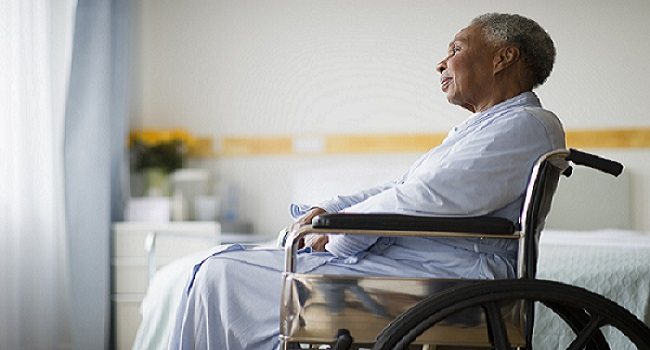
Protect Loved Ones from Nursing Home Neglect
Recognize Dehydration
Dehydration is a serious, potentially fatal risk that is faced by elderly residents of nursing facilities. In a recent study, 31% of residents in nursing homes who were examined were found to be dehydrated. This can be caused by medications and certain conditions such as diabetes, but is also a result of changes in the body that occur as people age. Luckily the early stages of dehydration are easy to treat, and by being aware of the symptoms dangerous medical problems can be avoided.
Mild to Moderate Dehydration
The symptoms of mild to moderate dehydration tend to be fairly innocuous individually, so it is important to take note if you notice several of them occurring at once. Loved ones may seem sleepy or irritable, complain of headaches, dizziness or cramping in their arms and legs. More specific symptoms are a dry, sticky feeling in the mouth and dry skin. Most importantly, as a person becomes dehydrated, his or her need to urinate disappears as the body tries to conserve liquids. If someone cannot remember the last time he or she urinated, chances are it was too long ago and more fluids are required. When a person who is dehydrated does pass urine, it will be of a dark color – the darker the color typically the more dehydrated the person is.
Severe Dehydration
As a person becomes progressively more dehydrated, additional symptoms begin to appear. The mucous membranes dry out and the patient begins to develop sunken eyes. Skin will also begin to lose its elasticity. In the last stages the patient can develop low blood pressure, fever, and a rapid heartbeat and breathing difficulties. Serious, potentially fatal complications can occur from long-term or severe dehydration, including heat exhaustion or heatstroke, cerebral edema (swelling of the brain), seizures, kidney failure and comas.

Severe dehydration is an emergency. It is potentially lethal and requires immediate medical attention, especially in elderly and pediatric patients. If you suspect that you or a loved one is showing symptoms of severe dehydration, contact a medical professional as soon as possible.
Illinois Nursing Home Neglect and Abuse Attorneys
If you or your loved one has suffered from dehydration while in a nursing home, you or your loved one could be entitled to recover monetary compensation for your expenses, injuries, and suffering. The experienced and compassionate attorneys at the Dinizulu Law Group, Ltd. will work with you to determine the best way to handle your nursing home abuse or neglect claim. Email us or call us at 1-312-384-1920 or 1-800-693-1LAW to set up a free consultation with one of our experienced nursing home abuse and neglect attorneys in Chicago.


Your loved one in a nursing home may be severely dehydrated if you’re seeing changes in their health, such as excessive fatigue and dizziness. Call us at 1-312-384-1920 or 1-800-693-1LAW and tell us your story. We may be able to help.
My sister was in a nursing home in Tahlequah, OK. The first day that we came from out of state to visit her, she was parched with thirst and drank 3 glasses of water. We quickly realized that the water was being withheld from her, although she was suffering considerable discomfort from thirst as well as the pain from cancer which is what killed her. The Nursing Home could save a considerable amount of money if all of their incontinent patients peed less so they made certain that that was so in our family’s opinion. It made my sister so miserable and it is an inhuman practice.