Archive for category: nursing home neglect

Nursing Home Neglect – When Residents Are Kept in Isolation


When we think of nursing home neglect we commonly think of elderly residents not being provided the needed physical care such as:

  • Repositioning, if they face limited mobility, thus leading to bed sores and open wounds
  • Clean and changed clothes and linens, if they are incontinent or have difficulty using the bathroom
  • Dehydration or malnourishment due to a lack of fluid or food intake

These are all serious concerns that a knowledgeable and experienced nursing home neglect attorney will be able to help you with. The Dinizulu Law Group, Ltd. has successfully represented over hundreds of clients facing nursing home neglect. The verdicts and settlements we have reached have helped families move forward after a very difficult time in their lives.

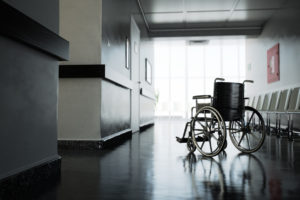
But you should also know about another form of neglect that we don’t typically think of. Elderly residents may be kept in isolation at a nursing home even if their meals are properly provided, they appear clean, and all their health needs are attended to. Limiting residents from participating in social activities, preventing interaction, or offering little to no mental stimulation also constitutes as nursing home neglect. Nursing homes are liable if they keep a resident confined to their room, or bed.

Nursing home resident isolation

The same also applies if the nursing home takes retaliatory action when a resident participates in certain social activities. Examples include verbal abuse, refusing to serve food on time, or if at all, after a resident participates in certain activities.

To watch out for this form of nursing home neglect, here’s what you can be mindful of when you visit mom or dad:

  • Does your loved one seem placed in an isolated part of the facility?
  • Do you see the nursing home staff attend to your family member in a timely manner?
  • Is your loved one afraid to speak in front of staff?
  • Does your loved one show a lack of interest in what used to his or her favorite activities?

If you notice these signs among other symptoms, contact our Chicago nursing home neglect attorneys. Conveniently located in downtown Chicago, the Dinizulu Law Group, Ltd. has recovered over millions of dollars in verdicts and settlements on behalf of wronged clients. Contact us by phone at 1 (312) 384-1920 or 1 (800) 693-1LAW or reach us by email to schedule a free initial consultation.

What Distinguishes a Good Nursing Home Facility From a Bad One?


The latest innovations in technology have helped ensure our elderly loved ones can be safer in a nursing home facility today than what was the case a decade ago. But are all the nursing homes taking advantage of today’s technology? To distinguish a good nursing home facility from bad one, there are many things you can review before selecting a place.

Background Checks

The emergence of electronic records that can be shared between law enforcement across various states have made background checks more reliable and easier to complete. But it’s the hiring practices of the nursing home that can reveal whether it does background checks in a thorough manner, or if at all.

 Safety Alert Systems

While only 5% of the elderly population lives in nursing homes, 20% of elderly falls and accidents occur in them. Almost 2,000 nursing home residents die each year from these falls, and many suffer from other injuries. Good quality nursing homes have extensive training and safety systems in place to minimize the risk of injury among their residents. This includes alerting systems that can buzz and communicate to the nursing home staff when a fall-risk resident gets up unassisted. Top quality nursing homes have these systems so that the onus is not simply on the elderly resident to press a call button to get assistance. Always ask a nursing facility to demonstrate their safety alert system.

Caring For Residents Suffering From Alzheimer’s Disease

Good nursing homes invest in training staff to properly care for residents suffering from Alzheimer’s disease. Caregivers who have extensive training in how to cope with behavior linked to Alzheimer’s are less likely to verbally abuse a resident. These caregivers often understand how to best handle situations that may arise, and are more likely to respond appropriately.

Administering Medicine

Often times, one caregiver is responsible for administering medicine to many residents, and there is a risk that pills can get mixed. These dangers increase if caregivers are overwhelmed, or working in a nursing home that doesn’t hire adequate staff. Good quality facilities will have a highly organized method for administering medications.

Prescription Medicine at nursing home

Such nursing homes will put daily medication doses in sealed packets and cross-reference them to a medication list before administering them to residents. Don’t be afraid to ask a facility about its procedures for administering medications before placing your loved one there.

Infection Prevention & Control

Infections can have deadly results, especially for our elderly loved ones. Be sure that your loved one’s nursing home facility takes the threat of infections seriously. Are patients kept separately when they are contagious? Does the nursing home offer infection prevention & control training to its staff? Do you see such training enforced? For example, do you see the staff washing hands regularly, wearing gloves, and using clean medical devices?

Renovations & Floor Plans to Prevent Falls 

Good nursing homes often get renovations when they are needed and the layout of such nursing homes is designed to make it easier for the elderly to navigate. This includes slip-resistant flooring, light beams that guide along hallways and exits, unobstructed walkways, supportive furniture, (such as chairs with padding support and armrests), low-pile carpet that’s properly secured to the floor as opposed to loose rugs, shag or high-pile carpets, which are all considered a fall risk for the elderly.

While we hope these tips help you select the right facility for your elderly loved one, it’s not uncommon to see some nursing homes go back on their promises after admitting your loved one. If you notice that the care of your mom or dad is not what was promised, you may need a dedicated and experienced nursing home neglect or abuse lawyer. Our nursing home abuse and neglect lawyers in Chicago have over 50 years of combined experience with verdicts and settlements reaching millions of dollars. Contact the Dinizulu Law Group, Ltd. to fight for you and your loved one. We offer free initial consultations and can be reached by email or phone at 1 (312) 384-1920 or 1 (800) 693-1LAW.

When Filing a Nursing Home Complaint is Not Enough


If your loved one resides in a nursing home facility, chances are they are there because they need assistance in doing the things they used to be able to do independently. Nursing home facilities are utilized because they are able to provide 24-hour care and they have experienced medical professionals on site. These medical professionals monitor your family member’s prescriptions, meals, and build a care plan around your loved one’s dietary, medical, and social needs. Remember, you or your loved one signs a contract when entering the nursing home that both highlights your loved one’s needs and promises that these needs will be attended to.

Therefore, it is very important to say something if you notice instances of lacking care. Nursing home administrators should be notified immediately if you see:

  • A delayed response to your loved one’s call light
  • A fellow resident or staff member is rude and disrespectful
  • Prescriptions are not administered properly when they are needed
  • Your loved one’s hygiene suffers, such as their linens or undergarments are not regularly changed
  • Their possessions are missing
  • Your loved one is given food they don’t like, or is inedible, or against their dietary plan
  • The meals arrive late, or meals are being skipped entirely
  • Your loved one is isolated or afraid around particular caregivers

Mother and grandmother in nursing home

After your discussion with the facility’s administrators, such as the Director of Nursing, the Dietary Manager, and/or the Activities Director, your loved one’s concerns should be addressed immediately. Instead, if you see the same lacking care continue, it may be time to contact a knowledgeable and experienced nursing home neglect attorney.

While it always helps if you complain to the Illinois Department of Public Health (IDPH), for many residents, this is not enough to rectify the problem. Sometimes, IDPH may take longer than normal to investigate the complaint. Also, many nursing homes fall back on their old habits of bad care once they know the complaint is closed. In the meantime, your family member should not be suffering due to administrative back logs or the nursing home’s persistent wrongs. Contact the Dinizulu Law Group, Ltd. right away so our Chicago nursing home neglect attorneys can offer help for mom or dad. We can be reached at 1 (312) 384-1920 or 1 (800) 693-1LAW, or by email. Contact us to schedule a free initial consultation.

How is Your Loved One’s Health Monitored in a Nursing Home?


When you place your elderly loved one in a nursing home, chances are they have medical conditions that need to be consistently monitored. How does a nursing home watch over your loved one? From managing medications and diet to monitoring new health challenges, how are these needs met? Watch the video to learn more.

A nursing home supports an infrastructure of medical professionals, ranging from dieticians, therapists, and nurses and doctors. Together, they manage and administer your loved one’s diet, medicine, and the needed medical tests.  Whether a patient has hypothyroidism, anemia, diabetes, Alzheimer’s or other serious medical conditions, the nursing home must facilitate the management of the medical care of your loved one. If they took your mom as their resident, they are asserting that they can manage the care appropriately for your loved one.

This only works if each member of the nursing home staff communicates with each other. For example, if the nurse does an assessment of a nursing resident, and observes a change in status, while often times she must not act alone, she must communicate this to the applicable doctor, dietician or specialized provider. The nurses are the eyes and ears of the doctors and the medical facility like a nursing home.

All this information is communicated across various levels of staff and different departments of the nursing home through verbal orders and patient charts. To effectively care for all their residents, a nursing home must have policies in place that require detailed documentation and clear channels of communication along with the appropriate guidelines for managing that care.

As a nursing home neglect attorney, I cannot tell you how many lives are lost due to these communication mistakes. If the nurse is overworked or overwhelmed like many are due to working in understaffed nursing homes, chances are he or she may forget to appropriately communicate to all of the providers. In such a case, the resident’s condition would go on untreated. For our elderly loved ones, this is a recipe for disaster. Nursing homes often make a deliberate choice to underhire staff to save expenses.

But you should know that if you or your loved one has been hurt due to a untreated condition, there are options for you. The Dinizulu Law Group, Ltd. has helped many people get justice when they are harmed in a nursing home that cuts corners. With over 50 years in combined experience and verdicts and settlements reaching millions, our nursing home neglect lawyers are here to fight for you. Call us at 1 (312) 384-1920 or 1 (800) 693-1LAW, or reach us by email.

You can also find more informational videos regarding nursing home neglect and injury matters from our nursing home abuse attorneys on our media page.

What are the Most Common Infections Found in Nursing Home Facilities?

When individuals reach a certain age in life, their bodies tend to take much longer to heal when injured and they become more susceptible to catching an illness or disease than when they were younger. Unfortunately, many nursing homes and other types of long-term care facilities are known for having infectious bacteria linger which can cause your loved one to become sick or gravely ill.

Read more

Understanding Elder Financial Exploitation and the Forms It Occurs in

Elder abuse comes in many forms, all of which you should be familiar with if you have a loved one living in a nursing home. The most common types of elder abuse include:

Read more

What Care Options are Available for a Person Who Suffers from Alzheimer’s?

Alzheimer’s is “a type of dementia that causes problems with memory, thinking and behavior” and affects each person differently [Source: Alzheimer’s Association]. Generally, the disease goes through stages and an individual’s condition changes as the disease progresses. If you have a loved one that was recently diagnosed with Alzheimer’s, you might be wondering what type of care you should place them under as the disease often requires that they are monitored around-the-clock.

Read more

380,000 Preventable Infection-Related Deaths Per Year


The Department of Health & Human Services estimates that 380,000 people die each year due to infection-related complications. Many of these deaths happen in nursing homes where lapses in infection control have become a norm. Simple steps to prevent infections, such as hand-washing, isolating sick patients, and preventing sick employees from coming to work are being ignored across America’s nursing homes.

The Chicago Sun Times reported that four years of inspection records show 74% of nursing homes were cited for failing to meet infection control standards.

This investigation revealed that while repeat citations are being commonly issued for infection control violations, disciplinary actions against nursing homes, such as fines, are rare. Nationwide, only 1 in 75 nursing homes that was found deficient for infection control in these four years has received a high-level citation that results in a financial penalty.

Infections, many avoidable, cause a quarter of the medical injuries Medicare beneficiaries experience in nursing homes, according to The Department o­f Health & Human Services’ report. Infections are also among the most frequent reasons residents are sent back again to the hospital.

While the deaths from infection-related complications grow, the nursing home industry is getting the message that they don’t need to act. Low-level warnings given year after year are falling on deaf ears. Nursing homes need to hire adequate staff, properly train staff about infection control, and provide sufficient paid sick leave to staff to encourage them to stay home when they are sick. While these changes are easy to implement, they will not happen unless The Centers for Medicare & Medicaid Services (CMS), which oversees nursing home inspections, recognizes that nursing homes need accountability.

While it may take some time for CMS to update their regulations for nursing homes, don’t feel that you or your family member is alone. If you or a loved one was injured due to an infection caused in a nursing home, you are entitled to justice and fair compensation for the harm caused. The Chicago nursing home neglect attorneys of the Dinizulu Law Group, Ltd. have over 50 years of combined experience in taking on some of the largest corporate-chain nursing homes. With a reputation for tough litigation and verdicts and settlements in the millions of dollars for our clients, we understand the tactics nursing homes use to protect their bottom lines. Contact us for a free initial consultation. Call 1 (312) 384-1920 or 1 (800) 693-1LAW, or reach us by email.

Are Nursing Homes Improperly Administering Medications to Keep Patients “In Line?”

As if Chicago nursing homes haven’t gotten enough scrutiny for the conditions they allow their residents to live in, CBS Chicago is reporting some alarming news involving patients who are living in these facilities who suffer from dementia. According toCBS Chicago, “nursing homes across the U.S. are misusing prescriptions drugs in order to control the behavior of elderly patients with dementia.”

Read more

Who Should I Direct My Complaints to at the Nursing Home My Loved One Lives in?

Have you been visiting your mom, dad, or grandparent at a nursing home they are currently living in but have noticed that the conditions aren’t what they used to be? Are you under the impression that your loved one might not be receiving the care you expected? If so, you may need to voice your concerns and let the nursing home administrators know you aren’t satisfied with the care your loved one is receiving. While many people don’t want to complain because they believe the nursing home staff would retaliate their frustrations on the patients themselves, this is a necessary step that can save your  loved one from harm. You don’t want to sit back and ignore the problems you are seeing.

Read more

Translate »