Tag Archive for: Medical negligence

Posts

Medical Malpractice: Claim Requirements and How to Prove a Claim

CHICAGO, IL – Medical malpractice occurs when a patient is harmed by a medical professional, or doctor, who fails to competently perform his/her medical duties. State rules about medical malpractice differ in terms of how long you have to bring forth your lawsuit to notifying your doctor of a lawsuit; however, there are some general requirements to file a malpractice claim.

Basic Requirements for a Medical Malpractice Claim

To prove that medical malpractice occurred, you must be able to prove the following:

  1. A doctor-patient relationship existed. You must show that you and your doctor established a doctor-patient relationship – this means, you hired the doctor and the doctor agreed to have you as a patient. If a doctor began to see you and treat you as a patient, it’s relatively easy to prove a physician-patient relationship existed.
  2. The doctor was negligent. The doctor must have been negligent when diagnosing you or in your treatment. To sue for malpractice, you have to prove that your doctor harmed you in a way that a competent doctor, under the same circumstances, would not have. It’s important to note that the doctor’s care is not required to be the best possible, but rather “reasonably skillful and careful.” Nearly every state requires the patient presents a medical expert to discuss the appropriate standard of care and show how the doctor deviated from the standard of care.
  3. The doctor’s negligence caused the injury. Because many malpractice cases involve patients that were already sick or injured, the question that often arises is whether what the doctor did, negligent or not, actually caused the patient harm. A patient must show that it was more likely than not that the doctor’s incompetence directly caused their injury. Normally, the patient must have a medical expert testify that the doctor’s negligence directly caused further harm.
  4. The injury led to specific damages. Even if it’s clear that your doctor performed below the standard of care, the patient cannot sue a doctor if they didn’t suffer any harm. Some examples of the types of harm patients can sue for are:
    • Physical pain
    • Mental anguish
    • Additional medical bills
    • Lost work and lost earnings

Common Types of Medical Malpractice

There is a wide variety of situations that can lead to a medical malpractice claim; however, most malpractice claims fall into one of these categories:

  • Improper treatment. If a doctor fails to follow the standard of care and treats the patient in a way that no other doctor would, the patient could have a medical malpractice claim. It could also be a malpractice claim if the doctor were to select the appropriate treatment, but administers it incompletely.
  • Failure to diagnose. If a competent doctor would have discovered the patient’s illness or made a different diagnosis, which could have led to a better outcome, the patient may have a medical malpractice claim.
  • Failure to warn a patient of known risks. Doctors are responsible for warning patients of known risks of a procedures or a course of treatment, known as the duty of informed consent. If a patient, once properly informed of all possible risks, would have elected not to go through with the procedure, the doctor may be held liable for hurting their patient if they were injured by the procedure.

Statute of Limitations

The statute of limitations is a strict amount of time you have to get your case started in the state’s civil court system; however, this differs from state to state. Illinois has a statute of limitations that directly applies to medical malpractice cases. That law requires the lawsuits to be filed within two years of the date in which the plaintiff knew, or should’ve known, about the injury that was caused by the healthcare professional’s malpractice.

In the event that this is not discovered right away, the Illinois medical malpractice statute of limitations goes on to set a larger deadline in which a malpractice claim can be brought more than four years after the date the medical error occurred. You can learn more about this here.

If the plaintiff is under the age of 18, there is a specific filing deadline for a lawsuit filed on behalf of them. These cases must be filed within eight years of the date on which the malpractice occurred, but in no event can the case be brought beyond the person’s twenty-second birthday.

Getting Help

Medical malpractice law is highly complex that differs from state to state, so it’s important to get advice or representation by a lawyer.

The medical malpractice attorneys at the Dinizulu Law Group are highly experienced and have the resources to properly handle your medical malpractice claim. If you have been harmed or suffered an injury due to your healthcare providers negligence, please contact our office at (312) 384-1920 for a free consultation.

Nursing Homes Ban Visitors due to Coronavirus

Nursing Homes Ban Visitors due to Coronavirus

CHICAGO, IL – Nursing homes have become islands of isolation amid the shocking morality rate of coronavirus. Nursing homes nationwide have become concerned about outside visitors visiting residents which has led to the barring of all visitors – adult children can talk to their parents through a glass door just as jailhouse visitors due.

As of Wednesday, there are more than 1,311 cases confirmed in the U.S., according to state and local health agencies, governments, and the Center for Disease Control and Prevention (CDC).

Nursing homes are locking down in hopes to protect some of the nation’s most vulnerable residents from being affected by the coronavirus. Thousands of nursing homes and assisted living facilities across the country are taking extra precautions. Many families are debating whether to move their loved ones out of these facilities all together and care for them at home.

On Tuesday, industry leaders recommended curtailing visits, calling this challenge “one of the most significant, if not the most significant” issues the industry has ever faced, according to the American Association of Retired Persons (AARP).

The highly contagious disease puts the elderly and those who suffer from underlying health conditions such as respiratory distress at high risk, alarming businesses, schools, and health agencies. Guidance from the Centers for Medicare & Medicaid Services (CMS), the American Health Care Association (AHCA), and the Illinois Department of Health (IDPH), and the Illinois Health Care Association is rapidly increasing for these facilities.

Hospital Policies and Procedures for COVID-19

Because of ease of spread in a long-term care setting and the severity of illness that occurs in residents with COVID-19, facilities are discouraging visitation and have the ability to screen visitors before COVID-19 is identified in their community.

Facilities are responsible for sending letters or emails to resident’s family members, advising them to consider postponing

Who is at Higher Risk?

From earlier information gathering from China where COVID-19 originated from, those who are higher risk of getting sick from this illness includes:

  • Older adults
  • People who suffer from serious chronic medical conditions, such as:
    • Heart disease
    • Diabetes
    • Lung disease

Depending on how severe the outbreak is in your community, public health officials will make recommendations to the community to reduce the public’s risk of being exposed to COVID-19. These actions can stunt or reduce the impact of spreading the disease.

If you are at a high risk because of your age or serious long-term health problem, it’s crucial to take extra precautions to reduce your risk of getting sick.

How to Prepare for COVID-19 Now

According to the CDC, there are several ways you can make yourself prepared in case of an outbreak in your community.

  • Have supplies on hand
    • Contact your health provider to ask about obtaining extra necessary medications to have on hand in case of an outbreak in your community in the event that you need to stay at home for an extended period of time.
    • If you’re unable to get extra medication, consider using mail-orders.
    • Ensure that you have extra over-the-medicine and medical supplies such as tissues, thermometers, etc. to treat fevers and other symptoms. Most people will recover at home.
    • Have enough household items and groceries to be prepared for staying at home for a period of time.
  • Take precaution
    • Avoid close contact with anyone who is sick.
    • Take preventable action:
      • Wash your hands often using soap and water for at least 20 seconds. This is critical, especially after blowing your nose, sneezing or coughing in a public place.
      • If soap and water is unavailable, use hand sanitizer.
      • Avoid touching surfaces in public places – elevator buttons, door handles, handrails, and shaking hands with others.
      • Wash your hands immediately after touching a surface in public.
      • Practice routine cleaning of frequently touched surfaces, such as tables, doorknobs, light switches, handles, desks, and toilets.
      • Avoid large crowds, especially in poorly ventilated spaces. Your risk of exposure can increase substantially in a crowded area, especially those with little to no air-movement, increasing your chance of contracting COVID-19.
      • Avoid all non-essential travel including traveling by plane or embarking on a cruise ships.
    • If there is an outbreak of COVID-19 in your community, it’s important to take extra measures to distance yourself from others to reduce your risk of being exposed to this virus.
      • Stay at home as much as possible.
        • Consider ways of food being delivered to your house, through the use of family, or social and commercial networks.

Watch for Symptoms and Emergency Warning Signs

  • It’s important to pay attention to warning signs of potential COVID-19 symptoms including fever, cough, and shortness of breath. If you feel like you are developing symptoms, call your physician immediately.
  • If you develop emergency warning signs for COVID-19, please seek medical attention immediately. Adult emergency warning signs include:
    • Difficulty breathing or a shortness of breath
    • Persistent pain or pressure in the chest
    • New confusion
    • Bluish-tinted lips or face

It’s important to note that these are not all warning symptoms of COVID-19. Please consult a medical provider for other symptoms that are severe or concerning.

What to Do if You Get Sick

  • Stay at home and call your healthcare provider.
  • Call your healthcare provider and let them know the symptoms you are experiencing. This will help them take care of you and keep others from getting infected or exposed.
  • If you are not sick enough to be hospitalized, you are able to recover from home.
  • Know when to get emergency help.
  • Get medical attention immediately if you have any of the warning signs listed.

How to Support Older Adults

Community Support

Communities should prepare for an outbreak of COVID-19 that include older adults and people with disabilities, and the organizations that support them, to ensure their needs are being taken into consideration. Many individuals in the community depend on services and support in their homes or in the community to maintain their independence and health. Long-term care facilities should be vigilant to prevent the introduction or spread of COVID-19.

Family and Caregiver Support

Know what medications your loved one is taking and make sure to have extra on hand. Monitor food and other medical supplies, such as oxygen, dialysis, wound care, etc. and always be sure to have a back-up plan. Stock up on non-perishable food items to minimize your number of trips to the store. If you care for a loved one living in a care facility, monitor the situation, ask about the health of other residents and know the protocol in the event there is an outbreak.

For more information on how to protect your loved one who is in a long-term care facility or assisted living facility, please visit CDC’s website on ways to take more precaution. If your loved one has sustained a serious infectious disease complication resulting from negligent or missed medical treatment provided by a nursing home or due to a low level of staff care, they may be entitled to compensation. Please reach out to Dinizulu Law group now for a free consultation at (312) 384-1920.


Medical Malpractice and Misdiagnosis

CHICAGO, IL – Misdiagnoses in the healthcare industry frequently leads to medical malpractice which has garnished the media in recent years. In 2015, the National Academy of Medicine announced most people will receive at least one misdiagnosis during their life. Research conducted by the National Academy of Medicine in 2017 showed nearly 100,000 Americans died or were permanently disabled due to an incorrect or delayed diagnosis.

Each year, more reports begin to surface and numbers are steadily increasing in misdiagnoses. Many people struggle to find the right physician to trust, but there are a few things you can do to advocate for your own health.

Ways to Be a Better Health Advocate

Listen to word-of-mouth referrals: Referrals and recommendations from friends or family can be valuable, as they have experience with whichever facility and physician you may be seeking out. Try speaking to a neighbor, co-worker, or acquaintance about how long they have seen this provider and what their overall experience has been like.

Do your own research: In today’s digital age, you have the power to surf the web at your fingertips. Reading reviews of physicians and the healthcare facility are a key component of researching what may be a right fit for you.

Seek a second opinion: After receiving an original diagnosis, do not be afraid to look for a second opinion. Research shows that medical professionals would agree that if you are questioning your primary care physician, you should seek a second opinion. Although this may require a little more work, the importance of your health comes first.

Maintain your own records: It can be a hassle to transfer medical records from doctor to doctor, so it’s important you keep documentation of all medical records so you can see exactly what your doctor is seeing. Apple released an update to their Apple Health App where you can store all health records in one place including medications, immunizations, lab results, and more.

Review your medical records: By law, you have the right to correct any errors in your medical records. HIPPA protects you and ensures that all records are private and you are able to amend the record upon finding errors. It’s important to review the itemized bill as insurers normally work off the summary bill.

Medical errors are the third leading cause of death in the United States according to study conducted by Johns Hopkins in 2018. As many as 250,000 people die every year in the U.S. from medical errors while other reports claim numbers to be as high as 440,000. Doctors are required to provide a standard of care; however, failure to provide this level of care is considered medical negligence.

Types of Medical Negligence

  • Misdiagnosis: an incorrect diagnosis of an illness or other problem, which can lead to unnecessary or harmful treatment.
  • Delay diagnosis: a delay in diagnosis preventing a patient from receiving proper treatment in a timely manner.
  • Medication error: prescribing an incorrect dosage or medication, or failing to check the patient’s allergies to a specific medication or prescribing a deadly drug.
  • Surgical error: a preventable mistake by health professionals that result in further harm to the patient which can include operating on an incorrect body part or performing the wrong procedures.
  • Infections: an infection is improperly treated, or the required effort to prevent the infection isn’t made.
  • Birth injuries: when a healthcare professional or facility fails the standard of care and causes injury to the mother, the child, or both during a pregnancy or delivery that can causes serious, or in some cases permanent, life-long damage.

Contact a Dinizulu Law Group Medical Malpractice Attorney

If you find yourself or a loved one suffering from the negligence of a physician and have concurred health issues from the care you have received, you should seek help from legal counsel who has experience in the area of medical malpractice and negligence. Depending on the circumstance of the case, you may be able to file a claim against your physician, health care facility, and others. Consulting with one of our attorney’s at Dinizulu Law Group can provide you with the necessary resources during a free consultation.  Please call our office or visit our website to schedule a free consultation and for more information.

Contact information:

Office: (312) 384-1920

Dinizulu Law Group, Ltd.
221 N. LaSalle St., Suite 1100
Chicago, IL 60601

Doctors Must Treat Bacterial Illnesses Differently From Viral Illnesses


The medical community has agreed upon standards that doctors must abide by when they treat a patient for a bacterial infection vs. treating them for a viral one.

While most viral infections are allowed to run their course, bacterial infections are treated with prescribed antibiotics. When you go to the doctor with certain symptoms, a good doctor will take all the necessary precautions while evaluating your illness. He or she must first rule out the worst possible illnesses that you may have contracted. Diseases like sepsis and meningitis are life-threatening conditions that are easily preventable if a doctor does his or her due diligence.

There are various ways to do this. The doctor might ask you further questions about your symptoms, examine your nose, throat, temperature, or may even order additional testing or lab work.

The doctor must take all the necessary steps to get to the root cause of your illness. Only after following all the necessary precautions is a doctor able to properly diagnose you. Through years of medical school and training, medical doctors are properly trained to thoroughly follow this process when examining their patients. What happens if a doctor fails to follow the steps and misdiagnoses a patient?

The results can be disastrous, especially for young children and our elderly loved ones, who may need antibiotics right away before a minor bacterial infection can turn into something life-threatening, like sepsis or meningitis. Meningitis can cause irreversible brain damage that a young child who may have their whole life ahead of them would be unable to recover from.

A good doctor understands the responsibility they have to their patient and their family members. As a Medical Malpractice Trial Attorney, it’s unfortunate how many cases I see where a doctor has caused irreparable harm simply because he or she simply didn’t follow the needed precautions.

When we go to the doctor we expect we will be treated with diligence and respect. If you believe a doctor has misdiagnosed you or your loved one and caused harm, there’s help. Contact the Dinizulu Law Group, Ltd. at 1-800-693-1LAW or 1-312-384-1920 or by email. With over 50 years of combined experience and millions recovered in verdicts and settlements we are here for you.

Patient Intubation & Medical Malpractice

Mistakes, such as improper intubation, when made by medical care providers can mean serious, long term harm, even death for patients. If you or a loved one has been injured by a medical care provider, you or your loved one could be entitled to recover monetary compensation for your expenses, injuries, and suffering. The experienced and compassionate Chicago-based medical malpractice lawyers at the Dinizulu Law Group, Ltd.  will work with you to determine the best way to handle your medical malpractice claim. Contact us for a free consultation with one of our experienced medical negligence attorneys in Chicago, Illinois.

Intubation Procedure

If you have spent any time watching medical dramas on television you have probably seen a dramatization of a patient being intubated. Endotracheal intubation (ETI) is a medical procedure that places a tube in a patient’s throat to create an unobstructed pathway to allow breathing. This can be done to help a patient’s respiration during surgical procedures, or sometimes at the scene of a medical emergency when someone’s throat has been injured due to some form of trauma.

The process of performing an endotracheal intubation is relatively straightforward for properly trained and equipped medical personnel. First, the patient is placed with the neck flexed so that the throat is as straight as possible. Then the doctor or EMT uses a tool called a laryngoscope to hold open the mouth and move the tongue out of the way so that they have unobstructed access to the airway. They then raise the handle portion of the laryngoscope so that the patient’s vocal cords become visible.

Once the vocal cords are visible, the doctor or EMT inserts an endotracheal tube, a plastic tube with an inflatable cuff circling one end, down the throat until the inflatable cuff is just below the vocal cords. After the tube has been situated, the laryngoscope is removed and the cuff is inflated, preventing the tube from accidentally being dislodged from the patient.

In order to determine that the endotracheal tube has been placed correctly, the doctor or EMT will check to see that there appears to be movement of the chest, and that breathing sounds are detected from both lungs.

When Injuries Happen

While inserting an endotracheal tube would seem to be a fairly technically straightforward procedure, there are some potential issues that can arise, such as perforation of the vocal chords, larynx, or esophagus, and potential damage to the teeth and soft tissue of the mouth. The most serious complication, however, is if the endotracheal tube is accidentally inserted into the esophagus, which can result in the attending medical staff thinking the patient is getting sufficient air when they actually are not. This can lead to oxygen deprivation and brain damage if it is not caught quickly and corrected.

Because of this and other possible complications such as potential infections and delays in transporting patients to a hospital, there is a discussion in the medical community about whether or not endotracheal intubation should be performed by paramedics outside of a hospital setting. It should be pointed out, however, that no generally-accepted consensus has been reached on this matter, and endotracheal intubation remains a valid practice by emergency medical technicians in the field, particularly in patients who have had a heart attack or suffered burns to the airway.

Take Action

The Dinizulu Law Group,Ltd. is a personal injury firm  in Chicago with a reputation for tough litigation and winning substantial compensation for clients. With over 60 years of combined experience, our medical malpractice and negligence attorneys have a strong record of getting medical care providers held accountable. We fight for the maximum compensation and get the injured the relief they need. Contact us for a free consultation.

By taking action, not only might you be able to recover compensation for yours or your loved one’s needs, but you will prevent bad medical care from harming other patients.

Mom Unexpectedly Dies From Allergic Reaction & Medical Malpractice

Doctors can make mistakes, and these mistakes can cost the lives of your loved ones. If you have suspect medical malpractice occurred when your loved one needed care, I want you to call us at 1-800-693-1LAW or 1-312-384-1920 with your questions. I am a medical malpractice attorney that is here for you. You may also contact us by email. Visit our firm’s media page, where you can view more videos and learn more about your rights.

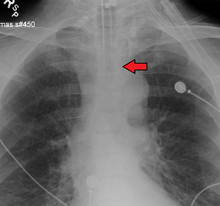
In this case, the patient was rushed to the ER because she had an allergic reaction to seafood. The hospital staff enacted the ABC’s of medicine, which stands for airways, breathing, and circulation. The first step was to make sure that her airway was not blocked. They did this by inserting an endotracheal tube down her throat to establish her airway.  They made a mistake and inserted the tube too far down her right bronchial tube. This in and of itself is not negligence, but not fixing the tube into the proper position is negligence. Because the tube was improperly inserted, air was only going to the right lung, which resulted in the collapse of the left lung.

At this point the ER doctor had several steps that he could have taken to prevent the patient’s death. Instead of ordering a CT scan, which required transport that could jostle the tube, the doctor could have ordered an x-ray to ensure that the tube was properly placed.

Because the doctor ordered a CT scan instead of an x-ray, the patient was transported to the CT room, which resulted in the jostling of the E.T. tube.  During the CT, the patient was required to be unrestrained.  Because the doctor did not adequately sedate the patient and insisted on a contrast scan, the patient woke up, vomiting. In the process, she pulled the tube out of her throat because she was not restrained, and this permanently collapsed her airway.  The scene was described as chaotic by medical staff, and she did not survive.  Had her medical staff ordered an x-ray instead of CT scan, she may have survived.  This case was settled confidentially and resulted in the client being awarded 7 figures.  Watch the video to learn more.

Translate »