Tag Archive for: Medical Malpractice Attorney

Posts

Prevalence of Medical Errors Continue to Increase

CHICAGO, IL – The Yale School of Medicine conducted a meta-analysis that suggests previous estimates of preventable deaths of hospitalized patients could be two to four times too high. Over the past two years, there has been an underlying trend between COVID-19 and medical malpractice claims.

Hospitals have been inundated with patients and face complications of facilities being overcrowded and leaving staff short-staffed and overworked.

Victor Bernstein, CEO of Justpoint, started the company after his mother catastrophically suffered from a medical mistake after receiving the wrong injection, resulting in her being comatose for 2 weeks.

Justpoint, artificially intelligent software that helps people find the right attorney for their claim, saw a 25% increase in medical malpractice claims being filed nationwide, according to 8 News Now

Johns Hopkins experts have estimated more than 250,000 deaths per year are due to medical errors within the United States.

As the world enters the third year of the pandemic, the healthcare industry faces various ongoing challenges and shifts in the delivery of care.

Forrester, a global market research firm, identified five key predictions for 2022 in the healthcare system.

Among the predictions include labor shortages will double the medication error rate among providers. The rapid clinician turnover and burnout will undoubtedly contribute to “irreversible patient impacts” such as adverse drug reactions due to medication errors and administrative flaws. Additionally, the risk of illness and mortality among patients will rise.

Forrester also predicts healthcare will no longer be considered a trusted industry as misinformation and cyberattacks continue to threaten their livelihood. Patients will eventually avoid being treated for their conditions and clinics will be forced to close. The cyberattacks on the healthcare industry are also costly and further erode trust between doctors and patients.

The prevalence of medical malpractice continues. The University of Chicago conducted a survey regarding medical mistakes and found that 41% of Americans believe that their healthcare provider made a medical mistake when providing care to them.

An even more recent study conducted in 2020 found that serious medical occurs occur most frequently in the ICU, emergency departments, and operating rooms.

Preventing medical errors should be a high priority for anyone working in a healthcare setting, yet every year, we hear of how many people are harmed or killed from negligent care. 

The estimated annual cost of measurable medical errors that harmed patients in 2018 alone was $17.1 billion dollars. Researchers noted that pressure ulcers were the most common medical error, followed by post-operative infections. Some estimates place the current annual cost as high as $29 billion.

Even more disturbing, the Mayo Clinic Proceedings published a national survey of doctors that one in ten reported they made a major medical error in three months prior to the survey. Physicians with burnout have more than twice the odds of self-reported medical error. 

Harmed by a Healthcare Providers Medical Care in Illinois?

If you’ve been harmed by your doctor or another healthcare provider, it’s important to contact a trusted medical malpractice attorney immediately. The experienced and skilled team of lawyers at the Dinizulu Law Group helps our clients recover from medical malpractice, receive the reimbusement they need and support you throughout the entire litigation process.

To receive a free consultation, call our office now at (312) 384-1920 or view our website for additional information. 

Medical Malpractice: Claim Requirements and How to Prove a Claim

CHICAGO, IL – Medical malpractice occurs when a patient is harmed by a medical professional, or doctor, who fails to competently perform his/her medical duties. State rules about medical malpractice differ in terms of how long you have to bring forth your lawsuit to notifying your doctor of a lawsuit; however, there are some general requirements to file a malpractice claim.

Basic Requirements for a Medical Malpractice Claim

To prove that medical malpractice occurred, you must be able to prove the following:

  1. A doctor-patient relationship existed. You must show that you and your doctor established a doctor-patient relationship – this means, you hired the doctor and the doctor agreed to have you as a patient. If a doctor began to see you and treat you as a patient, it’s relatively easy to prove a physician-patient relationship existed.
  2. The doctor was negligent. The doctor must have been negligent when diagnosing you or in your treatment. To sue for malpractice, you have to prove that your doctor harmed you in a way that a competent doctor, under the same circumstances, would not have. It’s important to note that the doctor’s care is not required to be the best possible, but rather “reasonably skillful and careful.” Nearly every state requires the patient presents a medical expert to discuss the appropriate standard of care and show how the doctor deviated from the standard of care.
  3. The doctor’s negligence caused the injury. Because many malpractice cases involve patients that were already sick or injured, the question that often arises is whether what the doctor did, negligent or not, actually caused the patient harm. A patient must show that it was more likely than not that the doctor’s incompetence directly caused their injury. Normally, the patient must have a medical expert testify that the doctor’s negligence directly caused further harm.
  4. The injury led to specific damages. Even if it’s clear that your doctor performed below the standard of care, the patient cannot sue a doctor if they didn’t suffer any harm. Some examples of the types of harm patients can sue for are:
    • Physical pain
    • Mental anguish
    • Additional medical bills
    • Lost work and lost earnings

Common Types of Medical Malpractice

There is a wide variety of situations that can lead to a medical malpractice claim; however, most malpractice claims fall into one of these categories:

  • Improper treatment. If a doctor fails to follow the standard of care and treats the patient in a way that no other doctor would, the patient could have a medical malpractice claim. It could also be a malpractice claim if the doctor were to select the appropriate treatment, but administers it incompletely.
  • Failure to diagnose. If a competent doctor would have discovered the patient’s illness or made a different diagnosis, which could have led to a better outcome, the patient may have a medical malpractice claim.
  • Failure to warn a patient of known risks. Doctors are responsible for warning patients of known risks of a procedures or a course of treatment, known as the duty of informed consent. If a patient, once properly informed of all possible risks, would have elected not to go through with the procedure, the doctor may be held liable for hurting their patient if they were injured by the procedure.

Statute of Limitations

The statute of limitations is a strict amount of time you have to get your case started in the state’s civil court system; however, this differs from state to state. Illinois has a statute of limitations that directly applies to medical malpractice cases. That law requires the lawsuits to be filed within two years of the date in which the plaintiff knew, or should’ve known, about the injury that was caused by the healthcare professional’s malpractice.

In the event that this is not discovered right away, the Illinois medical malpractice statute of limitations goes on to set a larger deadline in which a malpractice claim can be brought more than four years after the date the medical error occurred. You can learn more about this here.

If the plaintiff is under the age of 18, there is a specific filing deadline for a lawsuit filed on behalf of them. These cases must be filed within eight years of the date on which the malpractice occurred, but in no event can the case be brought beyond the person’s twenty-second birthday.

Getting Help

Medical malpractice law is highly complex that differs from state to state, so it’s important to get advice or representation by a lawyer.

The medical malpractice attorneys at the Dinizulu Law Group are highly experienced and have the resources to properly handle your medical malpractice claim. If you have been harmed or suffered an injury due to your healthcare providers negligence, please contact our office at (312) 384-1920 for a free consultation.

The “Big Three” Misdiagnoses

CHICAGO, IL – When you visit a doctor’s office or a hospital with a concern, you trust that your healthcare provider is doing everything possible to help you find what’s wrong and address any concerns you may have. Unfortunately, misdiagnoses are more common than what many people realize.

A recent study by The John Hopkins University found that one in 10 people have who have a “Big Three” disease are initially misdiagnosed. Over half of the patients who were given an incorrect or delayed diagnosis developed a severe disability or died. These misdiagnoses can result in medical malpractice and those who have been affected by them have the right to seek compensation for their healthcare provider’s negligence.

The “Big Three” diseases are vascular events such as myocardial infarction and strokes, infections such as sepsis, and cancers because they are the most likely to cause harm in a patient who are misdiagnosed. Researchers selected these illnesses because they are the diseases most commonly referenced in medical misdiagnosis lawsuits.

A misdiagnosis can have catastrophic results. A large number of medical malpractice lawsuits stem from the misdiagnosis or delayed diagnosis of a medical condition, illness, or injury. Delaying treatment for vascular events such as a heart attack or stroke by a matter of minutes can be the difference between life or death. Other diseases like cancer develop at a slower pace. It may take months or years to adversely affect the patient’s health. When doctor’s misdiagnosis cancer, they allow the illness to become extremely severe, and therefore, difficult to treat.

In general, doctors tend to misdiagnosis less common diseases more often than common ones. This may bebecause physicians may have a lack of available screening tests; however, it can be caused by a doctor’s lack of training. Negligent doctors may be unwilling to pursue a diagnosis of a less common disease because of how unlikely it may seem that the patient would have it.

If you have been seriously harmed or have lost a family due to a healthcare providers negligence or misdiagnosis, you may be entitled to compensation for your losses. The dedicated attorneys at Dinizulu Law Group, Ltd. have decades of experience successfully handling medical misdiagnosis cases. Our law firm has the resources to call on expert witnesses who can help us gain an even deeper understanding of the details of your situation. Our firm has the knowledge and skills needed to take your case to trial if a full and fair medical malpractice settlement cannot be reached.

Contact us today to schedule a free consultation with a trusted medical malpractice attorney or visit our website for more information.

Surgery is the 2nd Most Common Reason for Medical Malpractice Claims

CHICAGO, IL – According to a new report from medical liability insurer Coverys, surgery is the second most common cause for medial malpractice claims against doctors. Surgery not only puts the patient at risk, but it also poses a risk to doctors in terms of medical malpractice claims.

Coverys analyzed closed medical malpractice claims from 2014 to 2018 and found surgery-related claims accounted for nearly 25 percent of cases. Diagnosis-related claims accounted for 32 percent, which resulted in more malpractice cases.

Surgeons are a Major Factor in Malpractice Claims

The majority of malpractice claims showed 78 percent, or 2,579 surgery-related claims due to practitioner performance during surgery. All phases of the surgical process, including the care and decision making leading up to and following the surgery, can lead to a malpractice case, according to the report.

Top claims included general surgery (22 percent), orthopedic surgery (17 percent) and neurosurgery (8 percent), making up nearly the 50 percent threshold of surgery-related claims.

29 percent of injuries sustained from surgery were considered “permanent significant,” and 9 percent resulted in a patient’s death. Nearly 39 percent of claims alleged a lack of technical skill of the surgeon; furthermore, 27 percent allege a failure in clinical judgement and/or communication.

Before a surgery begins, physicians have the responsibility to ensure a patient’s participation and understanding of shared decision making. Surgeons are required to document informed content discussions in medical records; however, some physicians require to meet this standard.

Surgeons and insurance companies want to prevent medical malpractice claims because it will cost money, do damage to their reputation, and cause harm to a patient. These concerns are minor compared to the burden a patient must bear after suffering an injury during surgery.

Preventing Surgery Related Malpractice Claims

Coverys offers recommendations to healthcare systems and how they can improve outcomes that prevent surgical mistakes that can be catastrophic, and in some instances, deadly, including:

  • Physicians should work with patients to develop an understanding of why certain decisions are made by medical professionals and risks involved in certain decisions and procedures.
  • Surgeons should document informed consent with patients in their medical records. The patients response and any questions should also be included.
  • Operating rooms should be distraction-free including limited conversation, turning cell phone ringers off, no music, and banning visitors or observers while a procedure is taking place.
  • Hospitals should adopt similar guidelines to the aviation industry that mandates pilots that pilots cannot perform non-essential duties during high-risk activities.

There is a predominant issue in the medical field that involves distractions in operating rooms, which could furthermore lead to a surgical mistakes or death.

Are You a Victim of a Surgical Error?

There is no doubt that any surgery comes with risks; however, the risks should not include carelessness, distraction, or negligence. Many surgical errors are preventable, but hospitals and doctors must do everything they can to eliminate distractions and communicate to the best of their ability.

Failure to adhere to the standard of care is a violation of your rights of a patient. If you suffer from harm as a result of medical malpractice, you should contact an attorney immediately about your rights and options to pursue compensation. At Dinizulu Law Group, we work regularly with clients who have had to endure pain and suffering and catastrophic injuries due to a surgeon or hospital error. We help victims who are suffering from the negligent behavior of nurses, doctors, surgeons, and hospital healthcare systems.

If you have concerns regarding the care you received or the outcome of a surgical procedure, we can help. At Dinizulu Law group, our team of legal and medical professionals will review your situation and help determine if you have a medical malpractice claim. To get started, request a free consultation by calling us at (312) 384-1920.

Report Shows Pharmaceutical Companies Contributing to U.S. Opioid Epidemic

CHICAGO, IL – Recently released federal data shows how drug makers and distributors contributed to the nation’s opioid epidemic by increasing shipments of opioid painkillers between 2006 to 2012.

The Drug Enforcement Administration (DEA) records show that over 76 billion oxycodone and hydrocodone pills were distributed to U.S. pharmacies during the 6 year time period. According to the U.S. Centers for Disease Control and Prevention (CDC), opioids contributed to more than 100,000 deaths in the United States between 2006 and 2012.

The Associated Press reported Purdue Pharma was fined $635 million for falsely marketing OxyContin as being less addictive than other generic and brand opioids; however, Purdue accounted for 3 percent of pills sold during that time compared to generic drug distributors accounting for nearly 90 percent of sales.

According to the CDC, other prescription and illegal opioids such as heroin and fentanyl have resulted in more than 430,000 deaths in the U.S. since 2000. Between 2006 and 2012, the annual amount of opioid-related deaths rose from 18,000 to more than 23,000.

Synthetic opioids, such as fentanyl, are among the most common drugs involved in drug overdose deaths in the U.S. According to the National Institute of Drug Abuse, there were 59 percent of opioid-related deaths involving fentanyl in 2017 compared to 14.3 percent in 2010.

Local and state governments have requested these records not be released to the public; however, U.S. District Judge Dan Polster, who is overseeing most of the cases, ruled that it could be made public. Records from 2013 to 2014 have not been released yet and have asked to be sealed and protected.

An article released in 2016 by PBS calls the opioid epidemic “the worst drug crisis in American history,” destroying lives nationwide regardless of age, race, wealth, or location. The CDC stated whites and Native Americans have experienced the largest rise in death rates; moreover, by 2014, whites and Native Americans were dying at double or triple the rates of African-Americans and Latinos.

Drug expert Dr. Andrew Kolodny told the New York Times “racial stereotypes” may be an explanation for the gap, saying studies have found doctors are more reluctant to prescribe painkillers to minorities, worrying they may sell them or become addicted.

More than 2,000 state, local, and tribal governments are seeking to hold drug companies accountable for the national crisis. According to the Associated Press, West Virginia, Kentucky, Tennessee, and Nevada all received more than 50 pills for every man, woman, and child each year.

Opioid addiction is a chronic disease that can cause major health, social, and economic problems. Opioids are a class of drugs that act in the nervous system to produce feelings of pleasure and pain relief (U.S. National Library of Medicine). Opioids change the chemistry in the brain and lead to a drug tolerance, resulting in needing increased dosages over time to experience the same effect. Opioids are potent, meaning they have a high potential for causing addiction in some people, even when administered and taken properly.

Medical professionals can make costly mistakes that lead to serious harm or death of a patient. Responsible parties can include:

  • The physician who prescribed the medication for prescribing too much, the wrong dosage, or failure to monitor the patient after medication has been prescribed
  • The hospital if medication was given during hospitalization or emergency room visit
  • The pharmacy and/or pharmacist if the wrong drug or dosage was given to a patient

If you or a loved one has suffered from a prescription drug overdose or medical error, you may seek justice from a negligent medical professional by filing a medical malpractice lawsuit. It’s important to report and hold the responsible party accountable to prevent others from suffering in the same way. The attorney’s at Dinizulu Law Group, Ltd. work diligently to recover compensation for monetary, emotional, and mental losses you or a loved one may have suffered.

Please call (312) 384-1920 or visit www.dinizululawgroup.com to seek legal representation.

What is a Day In The Life Video?


In personal injury lawsuits for severely injured victims, a Day-in-the-Life Video is shown to the jury during trial to offer a visual account of the injured victim’s day-to-day challenges. It captures footage from  the moment the injured person wakes up to the time they go to bed. It crunches what an entire day is for an injured person to a 15-30 min time frame that can be shown in court.

The Day-in-the-Life Video may show how the injured person gets out of bed. Is he or she able to do it alone? Does an assisted living professional need to be present? Can the person go to the bathroom or shower self-sufficiently? From the Day-in-the-Life Video the jury will be able to see the full extent of the victim’s injuries. They will see the injured person’s face, read their facial expressions, and hear their voice. This lets the jury know firsthand the emotional and physical challenges the victim is facing. Watch the video to learn more.

The Day-in-the-Life Video also captures footage of the injured person in their home, in what used to be a comfortable setting. In the aftermath of an injury, the setting of the home may have become extremely difficult to maneuver around in. A video can show how challenging it is to get to the kitchen. How long does it take to climb a set of stairs?

A Day-in-the-Life Video can also show the injured victim’s interactions with loved one. Has the quality of family life changed? Is the injured victim able to spend time with his kids or spouse. Answers to these questions can also be captured on tape and shown to the jury.

Remember, the jurors are everyday people from our community that are selected to uphold our justice system. A Day-in-the-Life Video is able to grab their attention and move them in ways that expert testimony or documents alone aren’t able to.

It requires a skilled and well-experienced personal injury lawyer to create a Day-in-the-Life video that’s accepted as admissible evidence in the courtroom.  Without being admissible in court, the jury isn’t able to see the client’s Day in the Life Video. This can be a significant blow to the recovery amount the jury decides.

At the Dinizulu Law Group, Ltd., we have created many Day-in-the-Life Videos for severely injured clients and taken them to trial for successful verdicts. If you or your loved one is suffering from the fault of others, count on us to help. With over 60 years of combined experience, our Chicago personal injury attorneys are known for their expertise and tough litigation. Contact us by email or call us at 312-384-1920 to schedule a consultation with one of our personal injury trial attorneys practicing law throughout Illinois.


What Is A Life Care Plan?


For the severely injured, a Life Care Plan is a detailed assessment of the severely injured victim’s needs. It should take into account:

Current and future medical needs: Things like cost of medication, specialized furniture, assisted living professionals, rehabilitation expenses should be included in the life care plan.

Transportation needs: Would the injured victim need to have special equipment for traveling? Recreational opportunities also need to be factored into a life care plan.

Construction modifications to the home: Specialized medical equipment may require changes to the layout of the home. Perhaps an elevator lift is needed. These very large expenses need to be looked at very thoroughly to create a proper life care plan.

In an injury lawsuit for a severely injured victim, the Life Care Plan is instrumental in building your case. It can show to the jury the extent of a victim’s injuries, and the long-term cost of living with such life-changing injuries.  When a Life Care Plan is led by a personal injury lawyer who is well-experienced in litigation and trial, the recovery results could ensure that the injured victim is able to live with dignity and financially independence. Watch the video to learn more.

At the Dinizulu Law Group, Ltd., when our Chicago personal injury lawyers consult with a Life Care Planner, we collaborate with an entire team of medical and financial experts and ensure assessments by doctors, psychologists, counselors, and economists are all taken into account and factored into the Life Care Plan. We do this to ensure all of the injured victim’s needs are considered. This means including present and anticipated future needs into the life care plan. Is future medication included in the plan? Will the medication be supported across providers? The Life Care Plan needs to be a complete and comprehensive document.

Once created, the Life Care Plan is given to the jury so that the jury can fully understand you or your loved one’s needs and recognize your compensation claim as genuine. A skilled and well-experienced personal injury lawyer will help the life care planner get the testimony and documentation from the entire team of medical and financial experts that’s admissible in the court so that the jury may hear all parts of the life care plan.

Many personal injury lawyers don’t understand how important it is to be fully involved in the creation of the Life Care Plan, and as a result, your recovery suffers.

At the Dinizulu Law Group, Ltd., we pay close attention to the life care plan and present our clients’ complete needs in court. We have been thoroughly involved in many very complex life care plans and have advocated for our clients’ complete needs successfully. With over 60 years of combined experience, our Chicago personal injury attorneys are known for their expertise and tough litigation. Contact us by email or call us at 312-384-1920 to schedule a consultation with one of our personal injury trial attorneys practicing law throughout Illinois.

Patient Intubation & Medical Malpractice

Mistakes, such as improper intubation, when made by medical care providers can mean serious, long term harm, even death for patients. If you or a loved one has been injured by a medical care provider, you or your loved one could be entitled to recover monetary compensation for your expenses, injuries, and suffering. The experienced and compassionate Chicago-based medical malpractice lawyers at the Dinizulu Law Group, Ltd.  will work with you to determine the best way to handle your medical malpractice claim. Contact us for a free consultation with one of our experienced medical negligence attorneys in Chicago, Illinois.

Intubation Procedure

If you have spent any time watching medical dramas on television you have probably seen a dramatization of a patient being intubated. Endotracheal intubation (ETI) is a medical procedure that places a tube in a patient’s throat to create an unobstructed pathway to allow breathing. This can be done to help a patient’s respiration during surgical procedures, or sometimes at the scene of a medical emergency when someone’s throat has been injured due to some form of trauma.

The process of performing an endotracheal intubation is relatively straightforward for properly trained and equipped medical personnel. First, the patient is placed with the neck flexed so that the throat is as straight as possible. Then the doctor or EMT uses a tool called a laryngoscope to hold open the mouth and move the tongue out of the way so that they have unobstructed access to the airway. They then raise the handle portion of the laryngoscope so that the patient’s vocal cords become visible.

Once the vocal cords are visible, the doctor or EMT inserts an endotracheal tube, a plastic tube with an inflatable cuff circling one end, down the throat until the inflatable cuff is just below the vocal cords. After the tube has been situated, the laryngoscope is removed and the cuff is inflated, preventing the tube from accidentally being dislodged from the patient.

In order to determine that the endotracheal tube has been placed correctly, the doctor or EMT will check to see that there appears to be movement of the chest, and that breathing sounds are detected from both lungs.

When Injuries Happen

While inserting an endotracheal tube would seem to be a fairly technically straightforward procedure, there are some potential issues that can arise, such as perforation of the vocal chords, larynx, or esophagus, and potential damage to the teeth and soft tissue of the mouth. The most serious complication, however, is if the endotracheal tube is accidentally inserted into the esophagus, which can result in the attending medical staff thinking the patient is getting sufficient air when they actually are not. This can lead to oxygen deprivation and brain damage if it is not caught quickly and corrected.

Because of this and other possible complications such as potential infections and delays in transporting patients to a hospital, there is a discussion in the medical community about whether or not endotracheal intubation should be performed by paramedics outside of a hospital setting. It should be pointed out, however, that no generally-accepted consensus has been reached on this matter, and endotracheal intubation remains a valid practice by emergency medical technicians in the field, particularly in patients who have had a heart attack or suffered burns to the airway.

Take Action

The Dinizulu Law Group,Ltd. is a personal injury firm  in Chicago with a reputation for tough litigation and winning substantial compensation for clients. With over 60 years of combined experience, our medical malpractice and negligence attorneys have a strong record of getting medical care providers held accountable. We fight for the maximum compensation and get the injured the relief they need. Contact us for a free consultation.

By taking action, not only might you be able to recover compensation for yours or your loved one’s needs, but you will prevent bad medical care from harming other patients.

Mom Unexpectedly Dies From Allergic Reaction & Medical Malpractice

Doctors can make mistakes, and these mistakes can cost the lives of your loved ones. If you have suspect medical malpractice occurred when your loved one needed care, I want you to call us at 1-800-693-1LAW or 1-312-384-1920 with your questions. I am a medical malpractice attorney that is here for you. You may also contact us by email. Visit our firm’s media page, where you can view more videos and learn more about your rights.

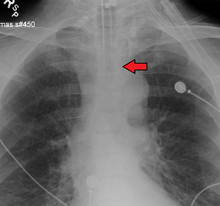
In this case, the patient was rushed to the ER because she had an allergic reaction to seafood. The hospital staff enacted the ABC’s of medicine, which stands for airways, breathing, and circulation. The first step was to make sure that her airway was not blocked. They did this by inserting an endotracheal tube down her throat to establish her airway.  They made a mistake and inserted the tube too far down her right bronchial tube. This in and of itself is not negligence, but not fixing the tube into the proper position is negligence. Because the tube was improperly inserted, air was only going to the right lung, which resulted in the collapse of the left lung.

At this point the ER doctor had several steps that he could have taken to prevent the patient’s death. Instead of ordering a CT scan, which required transport that could jostle the tube, the doctor could have ordered an x-ray to ensure that the tube was properly placed.

Because the doctor ordered a CT scan instead of an x-ray, the patient was transported to the CT room, which resulted in the jostling of the E.T. tube.  During the CT, the patient was required to be unrestrained.  Because the doctor did not adequately sedate the patient and insisted on a contrast scan, the patient woke up, vomiting. In the process, she pulled the tube out of her throat because she was not restrained, and this permanently collapsed her airway.  The scene was described as chaotic by medical staff, and she did not survive.  Had her medical staff ordered an x-ray instead of CT scan, she may have survived.  This case was settled confidentially and resulted in the client being awarded 7 figures.  Watch the video to learn more.

A Doctor’s Insecurity Led to a Patient’s Death and a Seven-Figure Medical Malpractice Settlement

If your loved one died as a result of mistakes made by medical practitioners, you may be outraged.  You trusted the medical staff to take care of your loved one, and instead they failed.  You may have a potential medical malpractice case. Please call us at 1-800-693-1LAW or 1-312-384-1920 with your questions. I am a medical malpractice attorney that is here for you. You may also contact us by email. Visit our firm’s media page, where you can view more videos and learn more about your rights.

Here we discuss the case of a 50-year-old woman who died as a result of mistakes that could have been avoided by her ER doctor.  The patient was admitted due to a collapsed airway. Upon her arrival, emergency procedures were enacted, and they called all available staff to the scene.  The staff that showed up included ER doctors, nurses, and respiratory therapists.

The patient’s attendant ER physician was able to manually deliver oxygen to the patient, resulting in 100 percent oxygenation during transportation.  At that moment, the ER physician was the only one in control, and as such did not feel that he needed assistance.  In this case, he could have benefited from assistance provided by someone with more specialization in intubation.  The doctor later admitted that he did not possess the skills needed for the surgery required if his intubation failed, but he still proceeded.  The doctor decided to use a paralytic drug that relaxes the muscles but prevents the patient from trying to breathe on her own.  The use of paralytic drugs in such a case is not recommended.

Upon further investigation, the doctor also admitted under oath that he does not like to ask for assistance because he thinks it makes him look stupid.  It appears he was more concerned about his self-esteem and respect from his coworkers than the survival of his patient, and this contributed to the patient’s death.  Our client received a 7-figure settlement.  Watch the video to learn more.


Translate »