Tag Archive for: Personal injury

Posts

Is it safe to drive after taking an over-the-counter (OTC) or prescription medication?

CHICAGO, IL – Everyone knows how dangerous it is to consume alcohol or drugs before getting behind the wheel; however, a drug that’s often overlooked is over-the-counter (OTC) or prescription medications. Some medications you may not think twice about have side effects that can put you and others at risk on the roadway.

Common Medication Side Effects

If you have recently taken medication, it’s important to check if you feel any side effects before getting behind the wheel. Some common side effects include:

  • Dizziness
  • Sleepiness/drowsiness
  • Fatigue
  • Inability to focus or pay attention
  • Delayed reaction time
  • Blurred vision
  • Fainting

Some people may experience side effects while others may not feel any at all. Side effects can last for short periods of time or they may last for several hours. Stronger medications or ones that have an extended-release property can affect someone throughout the following day. Some medicines have a warning to not operate heavy machinery, including driving a car.

Medications That Can Affect Driving

The U.S. Food and Drug Administration (FDA) lists drugs that could make it dangerous to drive, including:

  • Opioid pain relivers such as oxycodone, codeine, and morphine or any product containing codeine
  • Prescription drugs for anxiety: for example, benzodiazepines or Valium
  • Anti-seizure drugs (antiepileptic drugs) like lorazepam
  • Antipsychotic drugs, such as risperidone
  • Some antidepressants like Zoloft or Lexapro
  • Cold remedies and allergy products (both prescription and OTC), such as Nyquil and Benadryl
  • Muscle relaxers like cyclobenzaprine
  • Medicines that treat or control symptoms of diarrhea, such as Imodium
  • Medicines that treat or prevent symptoms of motion sickness like Bonine
  • Diet pills, “stay awake” drugs, and other medications with stimulants (e.g., caffeine, ephedrine, pseudoephedrine)
  • CBD products

Effects of Sleep Medicine

For people who struggle with insomnia and falling asleep, they may take medication to help them sleep. A widely used ingredient in prescribed sleep medication is zolpidem, which belongs to a class of medications called sedative-hypnotics. The FDA has found that medication that contains zolpidem, especially extended-release medications, can impair a person’s driving ability and daily activities the next morning.

People who take sleep medicine should talk to their doctor about ways to take the lowest effective dose.

How Allergy Medicines Can Affect Your Ability to Drive

Many people who have allergies, and for those who take medications containing antihistamines, these medicines can interfere with driving and operating heavy machinery, including driving a vehicle. Antihistamines slow a person’s reaction time, can make it hard to focus or think clearly, and make cause confusion or drowsiness.

It’s important to read the OTC Drug Facts label of medicine to understand warnings before consuming it. Avoid drinking alcohol or consuming other medications that contain antihistamines as it can increase the side effects.

It’s important to inform your health care provider of the products you are taking, including prescription, OTC, and herbal products. If you notice any side effects, let your doctor know about these. Always follow directions for use and read warnings on medication packaging and handouts from the pharmacy.

Involved in an Accident?

If you were involved in an accident by someone who was experiencing side effects from medication, please call our office today to learn your legal rights. The skilled attorneys at Dinizulu Law Group, Ltd. have been fighting to protect the rights of accident and injury victims for more than 20 years throughout the Chicagoland area. Contact us today to learn more information.

Who Owns A Nursing Home Can be the Difference Between Life and Death

CHICAGO, IL – During the COVID-19 pandemic, nursing homes have been hit hard with the most vulnerable population and has resulted in death rates spiking. Mathematica Policy Research researched COVID-19 cases and deaths concentrated in certain long-term care facilities including nursing homes and assisted living communities. Findings proved for-profit nursing homes had more than 60 percent more cases and deaths than nonprofit nursing homes.

In Illinois counties that have been hit hardest by the virus, for-profit nursing homes have nearly double the deaths per bed compared to nonprofit facilities.

Last January, Elizabeth Stout was trying to find a place for her brother, John Krok.

Krok, 62, had been struggling with a brain tumor for nearly two years after suffering from a seizure at Jewel supermarket where he worked as a cashier. Krok has undergone numerous medical procedures, hospital trips, and rehab-center stays but ultimately ended up back in the hospital.

Stout recalled only having a few days to get her brother out of the hospital and into a nursing home.

She printed out federal ratings of nursing homes near her brother’s house on Chicago’s Northwest Side. She saw two facilities with high ratings for a sufficient amount of staff to care for residents – both of which were owned by nonprofit organizations. After touring the facilities, she tried to get her brother admitted.

He was rejected from both because Krok was reliant on Medicaid, a government funding program that pays for long-term care for those who cannot afford it.

Stout looked at Fairmont Care, a facility with lower staffing ratings but welcomed Medicaid recipients.

Stout had no knowledge and no way of knowing that Fairmont’s main proprietor was among the state’s least effective nursing home owners at protecting residents from COVID-19.

Krok was transferred from a hospital to Fairmont Care on January 27. He was placed with a roommate who had a hacking cough that later tested positive for COVID-19.

Soon after, Krok developed pneumonia in both lungs. Fairmont sent him to the hospital where he tested positive for the virus.

When Krok caught COVID-19, the virus had just begun to take hold of the Chicago area and other parts of Illinois spreading rapidly in nursing homes. Nearly a year later, and the virus is continuing to spread at high speeds. Nursing home residents now account for 8,297 deaths in Illinois.

The coronavirus spread through long-term care facilities in Illinois has not been even: nursing homes that operate for profit have had more infections and deaths per bed than nonprofit facilities. For profit nursing homes have had nearly double the death rates as nonprofit facilities.

Advocates for nursing home residents and staff members say Illinois should focus more on holding owners accountable for packing elderly and frail people into poorly staffed facilities where the virus can quickly spread.

Staff Shortage and Overworked

Fairmont Care, the facility that took in John Krok, has some of the worst COVID-19 numbers among nursing homes in Illinois. In January 2020, it average 152 occupied beds. By November, state public-health regulators had recorded 155 infections and 32 deaths tied to the facility. Fairmont had more COVID-19 deaths per occupied bed than 95 percent of the state’s 758 long-term care facilities.

Elizabeth Stout, Krok’s sister, was not concerned about the care her brother was received at Fairmont. She praised a social worker, physical therapist, and nurse practitioner for going above and beyond to facilitate a Zoom call for Krok’s birthday with family members.

What concerned Stout was the staffing levels for day-to-day care that residents required.

“I don’t believe during his entire stay that he was walked to the bathroom,” she said. “It was either a bedpan or bedside commode.”

When COVID-19 swept through Illinois nursing homes, many Fairmont staff members got sick. The facility’s management said it directed others to work double shifts and brought in temporary nurses from staffing agencies.

Stout said eventually staff members stopped moving her brother from the bed – even for meals. She also had a hard time reaching any Fairmont managers.

The federal government rated Fairmont’s staffing levels as average or below average compared to nursing homes nationwide during the four quarters prior to the pandemic.

Fairmont staff members admitted to Stout that they were overstretched, mentioning they would arrive in her brothers room to take vitals or put a meal tray down before they had to rush to care for the next resident.

When Fairmont sent Krok back to the hospital with pneumonia, he arrived without medical charts. She found this out when the hospital called her to see whether his symptoms were from a stroke. Without his charts from Fairmont, the hospital lacked the most basic information about his condition, including that he had a brain tumor.

Krok begged the hospital not to be returned to Fairmont, but he eventually was.

The Centers for Disease Control and Prevention (CDC) and the National Healthcare Safety Network (NHSN) has a module on their website that provides healthcare facilities, such as long-term care facilities, with a customized system to track infections and prevention process measures in a systematic way.

It’s important to research nursing homes before deciding which is the best to place your loved one in. Medicare offers a tool that allows you to compare nursing home quality by the following criteria:

  • Five-Star Quality Rating
  • Health inspections
  • Nursing home staffing
  • Quality measures
  • Fire safety inspections

If you believe your loved one is being abused or neglected by their nursing home facility, please contact an experienced attorney at the Dinizulu Law Group for a free consultation today at (312) 384-1920. You can visit our website for additional information.

Reflections in 2020

2020 is certainly a Year of Reflections. While all of us have had to make sacrifices this year, it’s always important to reflect on the past its meaning and the future. First and foremost, I pray that your families are healthy and well and have not been harmed during this pandemic. Personally, knowing many of you, I know that some of you have lost family members and loved ones. We must collectively reflect on life’s highs and lows and look forward to better days – living out our purpose. In reflecting on life’s promise and living out my purpose, I conclude I have much to be thankful for. I owe it all to you who have supported me throughout the decades and especially this last year.

I began 2020 trying a medical malpractice case against a local hospital for a beautiful little girl who was not timely diagnosed with meningitis. After a nearly 5-week trial, we were able to get justice for baby Ahlanie and her family on March 6, 2020. I can’t thank enough the parents of our client who entrusted their case with us so we could fight for the justice she deserved. I’m also thankful to my internal staff and trial team who put in countless hours, and are pictured here:


(As seen left to right: Gregg Luther, Edward Washington II, Yao O. Dinizulu, Don Keenan & Craig Sandberg)

Within 7-days of our trial completing, Illinois was shut down and placed on a stay-at-home order. With the state shut down to only essential workers, much of our office was influx as we learned to navigate this new world that we currently find ourselves in. When speaking to several of my colleagues, I learned many firms shut down because they were no longer receiving the business they once were. However, we persevered because we continued to receive your unwavering support as your Advocates for Justice. Not only did we maintain our stability, but we added to the foundation of our firm and have been able to continue to provide our community the results your loved ones deserve.

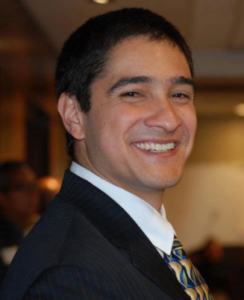
During this year, our attorneys were asked to speak at several seminars and conducted numerous presentations. Our Associate Brian Orozco was asked to speak as a panelist at his alma matter DePaul University for the 17th Annual Latino Forum. Brian had the opportunity to speak to current law students about his experience in law and offer his advice based on his experience as a practicing attorney.

(Pictured: Associate Attorney Brian Orozco)

In July, Attorney Dinizulu was asked to present to a national audience on trying a medical malpractice case and the sophisticated techniques used to receive a favorable resolution.

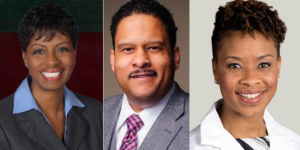
In October, Mr. Dinizulu moderated a panel on Race and the Law. He was joined by esteemed panelists Plaintiff’s Attorney/Registered Nurse (RN) Vivian Tarver-Varnado, General Counsel and soon-to-be Deputy Mayor of Gary Indiana Trent McCain, and Clinical Assistant Professor at the University of Chicago Dr. Sonya Dinizulu. The participants discussed how race has affected the practice of law. The discussion ranged from appellate practice, to jury selection, trial teams, expert witnesses, and the treatment of people of color by medical experts.

(As seen from left to right: Vivian Tarver-Varnado, Trent McCain, and Sonya Dinizulu)

Major protests were sparked at the end of May following the death of George Floyd.

Black Lives Matter and supporters went on to organize protests around the world including an estimated 15 to 26 million people in the United States participating in demonstrations over the death of George Floyd, Breonna Taylor, Rayshard Brooks, Botham Jean, and countless others in the following weeks and months. The fight is not over.

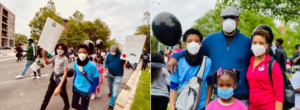
These efforts for equality and civil rights for people of color would make recent protests the largest movement in U.S. history. Mr. Dinizulu participated in a protest with his family arranged by Jack & Jill in solidarity to end police brutality and systemic racism.

(Pictured below: Attorney Yao O. Dinizulu marching with his family in a Jack & Jill protest in June)

With 2020 coming to a close, the Dinizulu Law Group, Ltd. would like to thank you for all of your unwavering support. We hope you and your family have a safe and healthy New Year.

Remember to VOTE Georgia Blue for Raphael Warnock and Jon Ossoff in the upcoming senatorial elections on January 5.

National Safety Council Estimates More Than 720 Fatalities in Roadway Crashes over Christmas, New Year’s Holiday

CHICAGO, IL – While the holiday season may look a bit different this year, there’s one thing that remains stagnant: holiday traffic fatalities. While the CDC urges Americans against traveling, many will still be on the go.

The National Safety Council (NSC), located in Itasca, Ill.) estimates more than 720 people will be killed on the roadway during Christmas weekend across the nation, and an additional 384 over New Year’s weekend.

As many as 287 lives could be saved over both holiday periods if all vehicle occupants wore their seatbelts, according to NSC. Parents and guardians should be advised to check a child’s car seat is properly installed.

Please do not get behind the wheel if you have been drinking. By drinking intoxicated, you run the risk of harming yourself and other innocent bystanders. Alcohol is involved in nearly 39% of traffic fatalities over Christmas and New Year’s holiday periods. Technology has made everything so accessible now – choose alternative methods of transportation such as a ride-share like Uber or Lyft, cab, Metra, CTA, or el.

Other recommendations by NSC include:

  • Avoid distracted driving, including hands-free cellphone usage.
  • Get plenty of sleep and take regular breaks to avoid fatigue.
  • Be aware of how others are driving on the road and maintain a safe distance.
  • Sign a “New Driver Deal” with teen drivers at DriveItHOME.org.
  • Learn about your vehicle’s safety systems and how to use them at MyCarDoesWhat.org.
  • Check your vehicle for any recalls before getting on the road at ChecktoProtect.org.

“A safe travel season could instill much-needed hope as we start a new year and close an unrelenting one,” NSC President and CEO Lorraine M. Martin stated in a press release. “We can all do our part by buckling up, driving sober, slowing down, and avoiding distractions to look out for each other.”

Pilot dies after suffering serious injuries in Ford Heights plane crash

CHICAGO, IL – A 70-year-old Frankford man has died after a small plane crashed in south suburban Ford Heights. The small aircraft crashed into a wooded area off of Lincoln Highway, just west of Illinois 394 around 5:10 p.m. on Tuesday, according to Illinois State Police.

The pilot, a 70-year-old Frankfort man, underwent emergency surgery at the University of Chicago hospital after being seriously injured in the crash.

The Cook County Medical Examiner’s Office identified him Wednesday morning as Lawrence Jagmin. The office said he died sometime on Tuesday night.

According to the Federal Aviation Administration (FAA), the engine crashed under unknown circumstances. The aircraft struck a light pole and hit a vehicle on the ground before coming to rest on an embankment.

A witness in the area said the plane came down on the shoulder of the road and a wing of the plane ripped off when it hit the light pole.

Northbound and southbound ramps to Lincoln Highway were closed at approximately 5:50 p.m. Tuesday for the investigation, according to state police. The ramps will likely stay closed late into Wednesday morning.

State police said the investigation is still underway. The FAA is also still investigating the crash.

Woman dies weeks after Scottsdale crash

A Chicago woman passed away on Monday from blunt force injuries she sustained in a car crash last month in Scottsdale on the Southwest Side.

On June 25, she was driving her 2019 Toyota Rav 4 around 9 p.m. on South Pulaski Road when a man driving a Chevy Silverado at a high speed of rate struck her vehicle.

According to Chicago Sun Times, the 28-year-old man who was driving the Chevy said he was being followed and was traveling around 75 mph, according to police. He was issued citations for failure to reduce speed, driving an uninsured vehicle, and causing bodily harm.

Bicyclist Ran Over in Chicago Neighborhood, Avondale

CHICAGO, IL – A bicyclist was hit and critically injured by a city vehicle on Tuesday morning in the Avondale neighborhood located on the city’s northwest side.

The incident happened around 8:30 a.m. on the corner of W. Belmont Ave. and N. Milwaukee Ave.

Witnesses say a female bicyclist was struck and dragged by a city maintenance truck as its driver made a right turn at a busy intersection. The truck driver did not stop right away, and onlookers had to jump in front of the vehicle to tell the driver to stop, according to ABC 7. The driver reportedly told investigators that the bicyclist was in his blind spot.

The 31-year-old woman was taken to the hospital in serious but stable condition. The 48-year-old male driver of the truck was taken to a Swedish hospital for observation.

Residents in this area say the intersection is full of blind spots for drivers and pedestrians and is dangerous. The Chicago Police Department’s Major Accidents unit is investigating the incident.

Truck Accidents: Common Causes, Statistics, & What to Know if You’ve Been in A Truck Accident

CHICAGO, IL – Commercial truck accidents are less common than car accidents; however, truck collisions have proven to be more catastrophic, and even deadly. There can be several factors leading up to a commercial-vehicle car accident, such as negligence on the manufacturer part, or perhaps the driver, and so forth.

According to GTG Technology Group, a transportation management system, there are five specific causes that may cause a trucking accident to occur:

Five Common Causes of Truck Accidents:

  1. Driver Error
    Truck drivers are required to work long hours, with regulations allowing them to work 60 hours over seven consecutive days. Some companies have tight deadlines and overcompensate by allowing drivers to work more hours than what they are allowed, resulting in drowsiness, or under the influence driving.A passenger vehicle weighs an average of 4,000 pounds, whereas a commercial truck typically weights 80,000 pounds. On average, 81 percent of trucking accidents caused by a driver error is due to a passenger vehicle. Many people are not aware of the dangers of truck accidents, which calls for a need to improve trucking defense driving techniques.
  1. Equipment Failure
    Equipment manufacturers may be at fault for neglecting production of a part, which can lead to a defective or dangerous component. A driver may not be the only one at fault; in addition, the parts manufacturer, a truck manufacturer, the company that sold the truck, and the mechanic who made repairs may be held liable. 
  2. Poor Vehicle Maintenance
    The average truck driver is expected to drive between 2,000 and 3,000 miles per week which results in very poor vehicle maintenance. Truck companies, drivers, and maintenance crews must regularly maintain the fleet to keep up with these trucks; moreover, the truck driver must check their rig and submit a maintenance report before the start of every shift.
  3. Weather
    Poor weather conditions can test any drivers defense skills, especially truck drivers. Poor weather conditions lead to poor road conditions, making driving much more difficult. Rain, sleet, snow, and ice can be very difficult to drive on, causing a much longer stopping distance. The weight and length of the truck may skid, hydroplane, or jackknife.
  4. Improper Cargo Loading
    There are industry-specific rules and regulations when it comes to truck loading cargo into a commercial vehicle. There are certain state and federal regulations required of all drivers of any commercial motor vehicle such as size, weight, and length.

Drivers must ensure all cargo was properly loaded and in place for the duration of direction traveled. A minor mistake, like not properly securing cargo, or negligence, can lead to catastrophic accident on any roadway – regardless of weather.

Any type of accident can be scary, and colliding with a commercial truck can be fatal, but it is important to be proactive by educating yourself on how dangerous a truck collision can really be.


Truck Accident Statistics

The National Highway Transportation Safety Administration (NHTSA) stated in 2015 that over 433,000 large trucks were involved in a collision. In Illinois, there were more than 19,000 crashes involving large trucks in 2014. These crashes contributed to nearly 13 percent of all traffic fatalities that year. Contrary to popular belief, the majority of the crashes occurred in daylight and clear weather conditions.


How Many Trucks Are Really on the Road?

According to the American Trucking Association (ATA), trucks move more than 71 percent of the nation’s weight in freight. To put this in perspective, the trucking industry represented more than 79 percent of the nation’s freight bill in 2017 – that’s more than $700.1 billion in revenue.

In June 2017, the U.S. Department of Transportation totaled carriers on file with the Federal Motor Carrier Safety Administration totaled 777,240. Private carriers contributed 700,591 trucks while interstate motors totaled 80,247.


After an Accident:

Your safety is of the upmost importance – assess the situation and make sure you’re okay. Check to see if others involved in the accident are injured and proceed to call 911; if someone was injured, request an ambulance.

It’s important the police are notified of the accident so an official police report can be issued. Your insurance company will most likely ask for a copy later. Even if there is little to no damage, the police should be notified of the incident so an accident report can be filed.

Notify your insurance company that you’ve been in a truck collision. Others that were involved in the accident will have their insurance companies contact you. State the facts, but remember it’s important to say as less, as possible. It’s best to keep the conversation to a minimum whenever you are involved in an accident.

Contact one of our experienced truck accident attorney’s of Dinizulu Law Group, Ltd., for the help you need and seeking out the maximum recovery for our clients. There are many challenging factors in a truck accident case, and due to the statue of limitations, we will need to work on your case right away. Please call our office at (312) 384-1920 or visit our website for assistance.

11th American Dies Following Trip to Dominican Republic

CHICAGO, IL – According to the US State Department, 11 American citizens have died in the Dominican Republic over the course of the last year. FBI investigators are comparing blood samples from the deceased tourists to alcohol samples at Dominican resorts.

Many deceased tourists were reported to have pulmonary edema, a fluid in the lungs at the time of death; however, Dominican Republic officials insist the deaths are unrelated and stating it’s still safe to visit (Rolling Stones).

The most widely reported theory on how American tourist death toll continues to rise has been linked to counterfeit alcohol.  Counterfeit alcohol is unregulated, or bootlegged, and has caused deaths in India, Iran, Indonesia, and several other countries in recent years (Business Insider). Bootlegged alcohol is sold outside of governmental regulation – this leads to low quality health regulations which can be toxic or deadly. Hotels where the deceased tourists have stayed include Grand Bahia Principe Bouganville Hotel, Hard Rock Hotel and Casino in Punta Cana, and Bahia Principe in Punta Cana.

A Canadian couple recently stated they had visited Grand Bahia Principe Punta Cana in 2016 and became hospitalized after sleeping in their hotel room being woken up to a powerful chemical smell (ABC7 Chicago). The couple initially changed rooms until the situation became critical. The woman’s muscles, hands, and legs began to spasm before she lost consciousness; she was hospitalized for four days with effects still lingering.

The International Alliance for Responsible Drinking (IARD) said bootlegged alcohol is driven by the economic benefit of being extremely cheap to produce compared to legal, branded products. Counterfeit alcohol can be laced or made with substances such as battery acid, methanol, or embalming fluid.

There have been 150 deaths attributed to alcohol poisoning in Assam, a state of India, from bootleg alcohol. According to the 2018 IARD report, 29 percent of total alcohol sales in the Dominican Republic are from illegal alcohol sales.

To ensure you are not drinking counterfeit alcohol, always drink at licensed bars and restaurants, and drink brands you recognize. It’s important to check the spelling on the label of bottles and that label is firmly secured. The seal of liquor should always be secure and never tampered with. You can also hold a bottle upside down to inspect for any unidentified particles or sediments.

Liquor in foreign countries can be much cheaper to purchase; however, it may not always be the best choice. Always inspect products before purchasing and be cautious of consumption.


Semi-Truck Explodes on I-94 Killing 2 in Racine County

CHICAGO, IL – Just before 11 am on Wednesday morning, two semi-truck drivers were killed in a multi-vehicle car crash on I-94 in Racine County, Wisconsin.

Northbound and southbound lanes were closed throughout the day and into Thursday afternoon, though southbound lanes reopened around 8:30 p.m.

According to ABC 7 Chicago, a semi-truck driver was driving southbound attempting to switch lanes when it over-corrected and lost control before hitting the median wall of the interstate, bursting into flames. As a result of the collision, three other vehicles collided into each other and the median wall.

Another semi-truck traveling northbound attempted to avoid the crash by turning into a ditch lane, in which he drove off the road, and burst into flames. The truck plunged nearly 30 feet off the right side of the highway, onto another road. The semi-trailer caught fire before exploding.

Two semi-truck drivers died at the scene, and at least two others were taken to a local hospital and sustained minor injuries.

Semi-truck accidents or collisions can be rare, but when they occur, they can be catastrophic. The average weight of a commercial vehicle is roughly 80,000-230,000 pounds. Semi-trucks also require a longer distance to stop. If a semi is driving 55 miles per hour, it will take about 400 feet to come to a complete stop (Safer America, 2019). Please keep these thoughts in mind when passing in a semi-drivers blind spot or driving past any commercial truck.

Translate »